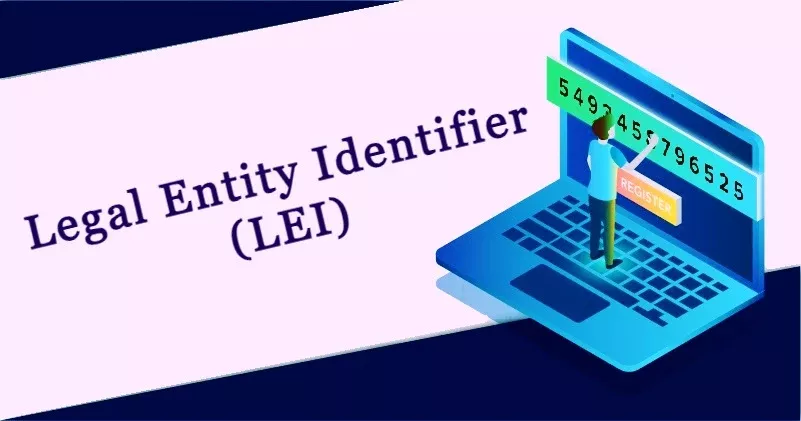
Businesses participating in financial transactions increasingly need reliable systems to identify legal entities and support greater transparency across markets. A LEI legal entity identifier provides a globally recognized reference for identifying organizations involved in eligible financial activities and transactions. By using a standardized identification system, relevant market participants can distinguish legal entities more clearly and work with consistent reference information.
As regulatory and financial reporting requirements continue to develop, accurate entity information can support clearer transaction records, improved identification, and more organized administrative processes. Understanding the purpose and relevance of an LEI can help businesses evaluate applicable requirements before participating in relevant activities. Maintaining accurate information and reviewing ongoing responsibilities can also help organizations manage financial and compliance-related obligations more effectively over time.
Clear Entity Identification Supports Financial Transparency
Reliable identification systems can help financial markets distinguish participating organizations and improve the consistency of entity information across transactions and reporting.
-
Understanding the Purpose of an LEI
An LEI legal entity identifier is a unique code associated with a legal entity. It helps standardize how organizations are identified in financial transactions and can support greater transparency between market participants. The identifier is linked to reference information about the entity and its relationships where applicable. Businesses should understand that obtaining an LEI does not automatically determine regulatory obligations; applicable requirements depend on the relevant transaction, market, institution, and regulatory framework.
-
Supporting More Consistent Entity Information
Standardized entity identification can reduce confusion when organizations operate across different financial systems and jurisdictions. Using consistent reference information can support reporting, transaction processing, and communication between relevant institutions. Accurate entity data remains important because changes involving an organization’s legal name, address, or ownership information may require attention. Maintaining current information helps ensure that records remain aligned with applicable requirements and the information associated with the legal entity.
-
Improving Visibility Across Financial Relationships
Financial markets can involve multiple organizations, institutions, and counterparties. Clear identification can improve visibility into the entities participating in relevant transactions. This can help institutions and other authorized participants review entity information and manage reporting requirements. Standardized identification is especially valuable where similar company names, cross-border operations, or complex organizational structures could otherwise make accurate identification more difficult.
Financial Participation Requires Accurate Entity Records
Businesses dealing with LEI in India should review applicable transaction, regulatory, and institutional requirements. Accurate entity information and timely registration or renewal can support organized administrative practices.
Preparing Information Before Registration
- Check the registered legal name and entity details.
- Ensure submitted information matches official records.
- Prepare required identification details before applying.
- Review information carefully to reduce avoidable errors.
Considering Ongoing Data Maintenance
- Monitor relevant renewal and update requirements.
- Review changes to legal or organizational details.
- Keep important dates and records organized.
- Update relevant entity information when required.
Careful record management and regular information reviews can help organizations maintain accurate details and remain better prepared for applicable financial and administrative requirements.
Practical Preparation Can Simplify Registration Planning
Careful preparation helps businesses organize entity information, review applicable requirements, and approach registration with greater clarity before beginning the process.
-
Confirming Legal Entity Information
Businesses can review official records before applying to ensure names and other entity details are accurate. Consistency between submitted information and relevant legal documentation can help prevent administrative difficulties. If information has recently changed, organizations may need to confirm that official records have been updated before proceeding. Checking these details early can support a smoother application process and reduce the possibility of corrections being required later.
-
Reviewing Applicable Requirements
Different organizations may have different reasons for obtaining an LEI. Before proceeding, businesses can review the transaction, reporting, or institutional requirements relevant to their circumstances. This helps avoid assuming that an identifier is needed for every financial activity. Understanding the applicable framework can also help businesses prepare the necessary information and determine any ongoing responsibilities connected with maintaining current entity reference data.
-
Keeping Records Organized
Maintaining organized copies of relevant entity documents can support registration and future administrative requirements. Businesses may keep records of submitted information, registration confirmations, renewal dates, and updates to entity details. A clear internal record system can make it easier to locate information when required. This approach can also support continuity when different teams manage responsibilities or when an organization undergoes internal administrative changes.
Timely LEI Management Supports Better Business Readiness
Regular attention to LEI information can help organizations remain prepared for relevant financial activities, reporting responsibilities, and administrative requirements. Clear processes for monitoring entity details can also support greater consistency in managing identification-related records over time.
- Monitor Renewal Dates: Track important deadlines and review applicable renewal requirements to avoid missing relevant administrative actions.
- Update Entity Information: Review changes to legal names, addresses, ownership details, or other relevant entity information when required.
- Maintain Organized Records: Keep registration information, supporting documents, and important confirmations accessible for future reference.
- Assign Clear Responsibilities: Designate appropriate personnel or teams to monitor deadlines, records, and relevant administrative activities.
- Review Requirements Regularly: Check applicable requirements periodically, particularly when financial activities, regulations, or organizational circumstances change.
Consistent monitoring and organized record management can support accurate entity information, smoother administrative processes, and better preparedness for relevant financial and reporting requirements.
Conclusion
An LEI can support standardized legal entity identification and greater transparency across relevant financial activities and market interactions. Businesses can benefit by understanding the identifier’s purpose, reviewing applicable obligations, maintaining accurate entity information, and tracking ongoing administrative or renewal requirements. Because requirements may vary by organization, transaction type, financial activity, and applicable regulations, careful review remains important before proceeding.
For organizations navigating the LEI registration process in India, Indoglobal LEI provides services designed to support businesses seeking assistance with LEI-related registration requirements. Organizations can review available services and relevant information to better understand the registration process, prepare required details, and determine an approach that aligns with their individual entity information, financial activities, and applicable administrative requirements.