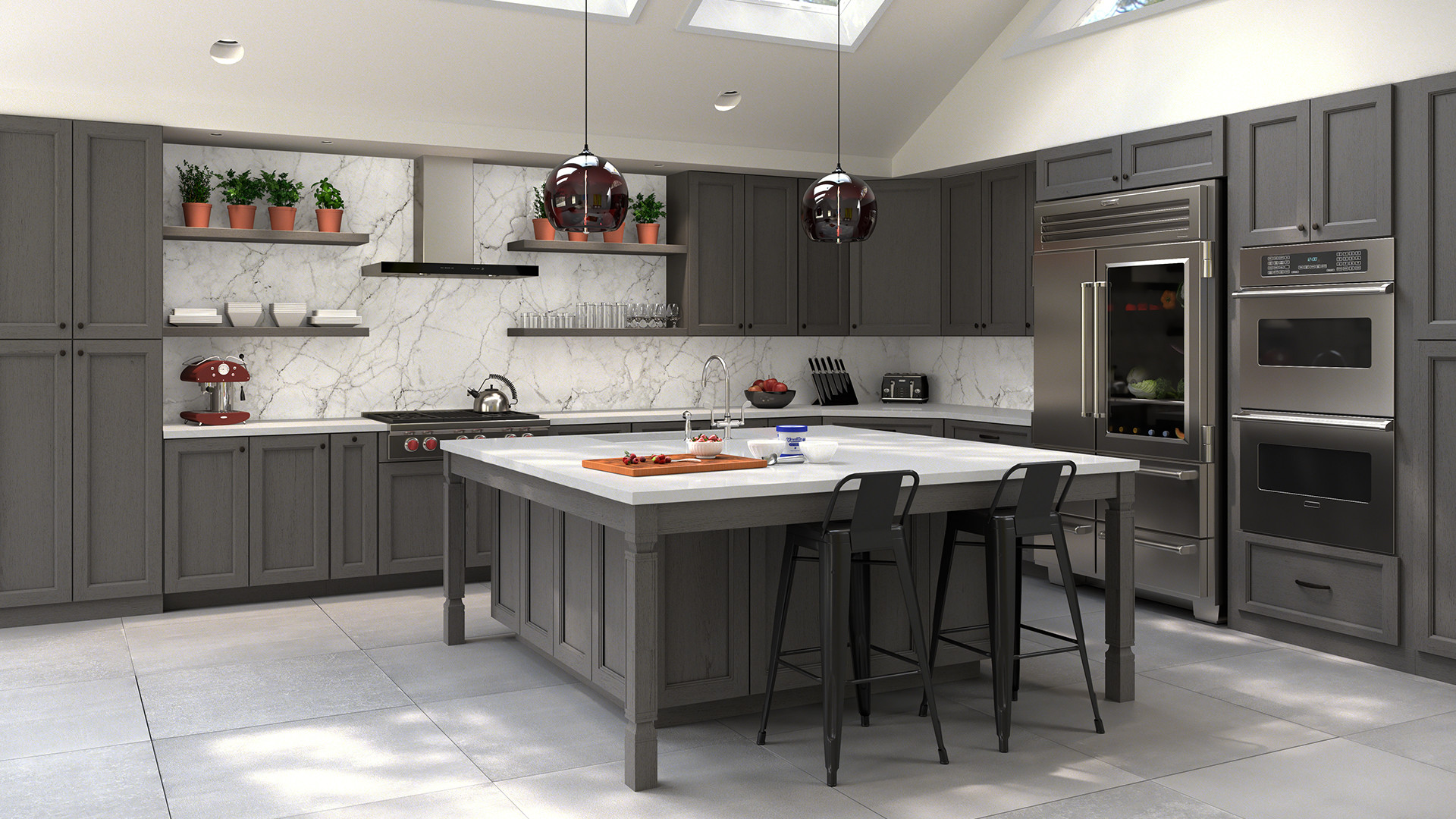
An easy-care kitchen is not a room that never needs cleaning. It is a space designed to make everyday tasks faster, simpler, and more manageable. The surface choices, layout, storage, lighting, and appliances should all support that goal.
Countertops play an important role because they handle food preparation, spills, small appliances, dishes, and daily clutter. A difficult-to-maintain worktop can make the entire kitchen feel demanding, even when the rest of the design is practical.
Quartz is often considered for low-maintenance kitchens because it offers a nonporous surface, consistent appearance, and broad range of colors. However, easy care does not mean the material can be treated without protection. Understanding its strengths and limits helps the surface perform better over time.
A Nonporous Surface Simplifies Daily Cleaning
Quartz is an engineered material made using quartz minerals, resin, pigments, and other components. The manufacturing process creates a surface that does not usually absorb liquids in the same way as many porous natural stones.
This quality makes routine cleaning straightforward. Most everyday spills can be wiped with a soft cloth, warm water, and a mild cleaner suitable for the surface.
Since the material does not normally require periodic sealing, one common maintenance task is removed from the schedule. This can be helpful in kitchens where several people cook, children use the island, or food preparation happens throughout the day.
When visiting a countertop store, ask about the care guidance for each quartz option. Although the general maintenance is similar, product instructions can differ.
Easy Maintenance Begins with the Right Layout
The countertop material is only one part of a low-maintenance kitchen. A poorly planned layout can still make cleaning difficult.
Tight gaps between appliances, awkward corners, and narrow spaces beside the sink can collect crumbs and moisture. Likewise, too many small countertop sections may create additional seams and edges that need attention.
A practical layout provides enough open preparation space and allows easy movement between the refrigerator, sink, and cooktop. It also limits areas that are difficult to reach.
The position of small appliances matters as well. Creating a dedicated area for the coffee maker, toaster, or blender can keep cords and spills away from the main preparation zone.
When the room is designed around normal habits, the worktop remains easier to clear and clean.
Quartz Does Not Need Routine Sealing
Many natural stones may require sealing, depending on their type, finish, and porosity. Quartz generally does not need this step because its engineered surface is nonporous.
Not needing routine sealing can save time and remove uncertainty about whether the surface is still protected. There is no need to schedule regular sealer applications as part of basic care.
However, this does not mean quartz is completely maintenance-free. The surface should still be cleaned promptly, especially after contact with oily foods, colorful sauces, coffee, or other substances that may leave residue.
Simple daily habits provide better protection than waiting for a difficult mark to appear.
Mild Cleaning Is Usually Enough
Strong cleaners are not always better. Harsh chemicals and abrasive products may affect the finish or leave the surface looking dull.
A mild cleaner and soft cloth are usually suitable for everyday messes. Dried residue can often be loosened with warm water rather than aggressive scrubbing.
Abrasive pads should be avoided because they can change the appearance of the finish. Likewise, products containing strong solvents or chemicals should not be used unless the manufacturer confirms that they are safe.
Following simple care instructions makes cleaning easier and reduces the risk of accidental damage caused by the cleaning process itself.
Consistent Patterns Make Design Planning Easier
Natural stone can contain large changes in veining, color, and mineral movement. Quartz provides a more controlled appearance because its design is created during manufacturing.
This consistency can make it easier to coordinate several countertop sections. The island and perimeter surfaces can feel connected without requiring exact natural pattern matching.
Consistency is also useful when the kitchen already contains strong visual details. Bold cabinet colors, textured flooring, decorative lighting, or patterned backsplash tile may pair better with a quieter worktop.
USA Marble & Granite can be considered when reviewing quartz selections and comparing their tones with the other finishes planned for the room.
Quartz Offers Many Design Directions
Easy care does not require a plain or basic appearance. Quartz Countertops are available in designs ranging from nearly solid colors to patterns inspired by marble and other natural stones.
A soft white or cream surface can make a compact kitchen feel brighter. Gray quartz may support a modern or industrial design, while warmer beige tones can create a comfortable traditional appearance.
Veined quartz can add movement without the same level of natural variation found in a unique stone slab. This provides a decorative look with more predictable patterning.
The right design should relate to the cabinets, flooring, lighting, and wall color. Choosing the worktop separately may create undertone conflicts that become noticeable after installation.
Color Can Affect How Clean the Surface Looks
Every color shows daily use differently.
Very dark quartz may reveal dust, fingerprints, and water marks more clearly, especially under bright lighting. A solid white surface can make colorful crumbs or spills more noticeable.
Patterns with gentle movement may hide minor signs of use between cleanings. However, the design should not be so active that it makes the room feel busy.
Think about how the kitchen looks on a normal weekday, not only when every surface has been cleared. The right color can help the space appear more orderly without requiring constant wiping.
Lighting should also be considered. Direct sunlight and under-cabinet lights may make fingerprints or streaks easier to see on certain finishes.
Protect Quartz from Excessive Heat
Quartz is easy to clean, but high heat remains an important concern. The material contains resin, which can react to excessive temperatures.
Hot pans, baking sheets, and heated appliances should not be placed directly on the surface. Trivets and heat pads provide simple protection.
Heat-producing countertop appliances also need attention. Air fryers, slow cookers, electric griddles, and similar equipment may remain hot for long periods. Follow appliance and surface guidance, and use suitable protection when necessary.
Planning a dedicated heat-safe area near the cooktop can make these habits easier. If trivets have a regular storage location, they are more likely to be used.
Cutting Boards Still Matter
Quartz can handle normal kitchen activity, but it should not be used as a cutting board.
Cutting directly on the surface may affect the finish and can quickly dull kitchen knives. A proper cutting board protects both the countertop and the tools.
Keeping cutting boards close to the main preparation area makes them convenient to use. Built-in storage near the sink or cooktop can prevent them from becoming clutter.
This is a good example of how material care and kitchen organization work together. The easier a protective habit is, the more likely people are to follow it.
Plan Seams Before Fabrication
Some countertop layouts require seams because of material size, room access, or project design.
The number and position of seams can affect both appearance and cleaning. A well-placed seam may be difficult to notice, while an awkward location may collect residue or interrupt the pattern.
Discuss seam placement before fabrication. Long countertops, angled layouts, and large islands may need special planning.
Although quartz patterns are more consistent than natural stone, bold veining still needs careful alignment. The movement may not continue perfectly across every section, so expectations should be discussed in advance.
Choose a Practical Edge Profile
Edge profiles influence how easy the countertop is to clean and how comfortable it feels during daily use.
A simple eased edge works well in many kitchens. It has a clean appearance and does not contain detailed grooves that may collect dust or residue.
Rounded edges can feel softer around seating areas and narrow walkways. Decorative profiles may suit traditional cabinets, but they can require extra attention during cleaning.
The edge should also match the room’s scale. A heavy profile may make a small kitchen feel crowded, while a simpler edge can create a lighter appearance.
Reduce Clutter Around the Worktop
Even an easy-care surface becomes difficult to clean when it is covered with appliances, containers, papers, and decorations.
Storage planning should support a clear countertop. Appliance garages, pull-out shelves, pantry storage, and organized drawers can keep frequently used items nearby without leaving everything visible.
Consider which appliances are used every day and which can be stored. A coffee maker may need a permanent location, while a large mixer may only need to appear when baking.
A clear worktop is faster to wipe and makes the entire room feel calmer.
Coordinate the Backsplash with Cleaning Needs
The backsplash protects the wall from water, grease, and food splashes. Its material and design should support the same easy-care goal as the countertop.
Large tiles can reduce the number of grout lines. A full-height quartz backsplash can create a continuous appearance, although it may increase the project cost.
If tile is used, the grout color and type affect how visible stains may become. A very light grout behind the cooktop may require more frequent cleaning than a slightly deeper tone.
The joint between the countertop and backsplash should also be completed carefully. This area receives regular exposure to moisture, crumbs, and cleaning products.
Make the Sink Area Easier to Maintain
The sink zone often handles the most water and daily mess.
An undermount sink creates a smooth transition that allows crumbs and spills to be wiped directly into the basin. A drop-in sink has a visible rim that may require more detailed cleaning.
Faucet placement, soap dispensers, and water filters should be planned before fabrication. Too many accessories can crowd the area and create more spaces where water collects.
Adequate space behind the faucet makes wiping easier. The sink size should also fit the cabinet and normal dishwashing routine.
Good planning around the sink can reduce one of the most common sources of countertop clutter.
Set Realistic Expectations
Quartz is low maintenance, but it is not impossible to damage. Heat, abrasive cleaners, strong chemicals, and careless cutting can affect the surface.
The goal of an easy-care kitchen is to reduce work, not remove all responsibility. Basic habits such as using cutting boards, placing hot pans on trivets, and wiping spills promptly still matter.
These steps require little effort when the kitchen is organized to support them. Protective items should be stored close to where they are needed.
Choosing a suitable surface and following simple care guidance can help the worktop maintain its appearance without demanding a complicated routine.
Conclusion
Quartz works well in kitchens designed for easy maintenance because it provides a nonporous surface, straightforward cleaning, consistent patterns, and no routine sealing requirement.
However, material choice is only part of the design. A practical layout, clear work areas, accessible storage, suitable edge profiles, and a well-planned sink zone can make daily cleaning even easier.
When quartz is combined with good organization and simple protective habits, the kitchen can remain functional, attractive, and manageable through years of regular use.