Ever wondered why some commercial projects run like clockwork while others drown in chaos and clutter? What if the secret to a smoother operation lies in something as simple as proper waste management? And have you considered just how much money your business might be losing by not handling project waste effectively?
Managing waste on commercial projects isn’t just about keeping things tidy. It’s about productivity, compliance, and your bottom line. Whether you’re renovating an office space, clearing out a warehouse, or managing a construction site, the rubbish piles up faster than you’d expect. That’s where commercial skip bins come into play, offering Australian businesses a practical way to handle large volumes of waste without the headache.
In this guide, we’ll explore everything you need to know about commercial skip bin hire. You’ll discover the different sizes available, understand pricing factors, and learn which industries benefit most from these services. Plus, we’ll share tips for maximising efficiency and meeting environmental standards. Let’s get stuck into it.
What Are Commercial Skip Bins?
Commercial skip bins are heavy-duty waste containers designed specifically for business and industrial use. Unlike your standard wheelie bin, these larger containers handle significant volumes of waste generated during commercial projects, renovations, and ongoing operations.
How Do Commercial Skip Bins Differ from Residential Bins?
The main differences come down to size, durability, and capacity. Residential bins typically range from 2 to 6 cubic metres, perfect for home cleanouts or small garden projects. Commercial skip bins, on the other hand, start at similar sizes but extend up to 30 cubic metres or more.
Commercial bins also feature reinforced construction to handle heavier materials like concrete, bricks, and metal. They’re built to withstand the demands of busy worksites where forklifts and heavy machinery operate nearby.
Types of Commercial Skip Bins Available for Businesses
You’ll find several options depending on your needs. Marrel bins are the classic open-top style, ideal for general waste and bulky items. Hook-lift bins suit larger projects and can be easily swapped out for continuous operations. Front-lift bins work well for businesses requiring regular scheduled collections.
What Size Skip Bin Do I Need for My Business Project?
Choosing the right size saves money and prevents delays. Order too small, and you’ll need multiple collections. Go too large, and you’re paying for space you don’t use.
Small Skip Bins (2-4 Cubic Metres)
These compact options work brilliantly for office cleanouts, small retail renovations, or minor maintenance work. A 2 cubic metre bin holds roughly 8-10 wheelbarrow loads, while a 4 cubic metre bin doubles that capacity. They’re easy to position in tight spaces like car parks or narrow laneways.
Medium Skip Bins (6-8 Cubic Metres)
Medium-sized bins suit most commercial projects. They handle office fit-outs, medium renovations, and regular business waste accumulation. These sizes offer excellent value, balancing capacity with manageable footprints.
Large Skip Bins (10-30 Cubic Metres)
For major construction, demolition, or industrial cleanups, large skip bins are essential. A 10 cubic metre bin manages significant volumes, while 20-30 cubic metre options handle entire building strip-outs or large-scale manufacturing waste.
Matching Bin Size to Your Project Type
Consider your waste volume, material types, and project duration. A retail fit-out might need a 6 cubic metre bin for a week, while a construction project could require multiple 15 cubic metre bins over several months. Most providers offer guidance based on your specific situation.
How Much Does It Cost to Hire a Commercial Skip Bin?
Pricing varies considerably across Australia, but understanding the factors involved helps you budget effectively and avoid surprises.
Factors That Affect Skip Bin Hire Prices
Location plays a significant role—metropolitan areas generally cost more due to disposal fees and transport distances. Bin size obviously impacts price, with larger bins costing more. Hire duration, waste type, and weight limits also influence the final cost.
Heavy materials like concrete attract premium rates because they’re more expensive to process and transport. Some providers charge extra for mixed waste requiring sorting at the facility.
How to Get the Best Value for Your Business
Request quotes from multiple providers and compare what’s included. Some prices cover delivery, collection, and disposal, while others add these as extras. Ask about weight limits to avoid excess charges.
Consider long-term hire arrangements if you have ongoing waste needs. Many providers offer discounted rates for extended contracts or regular scheduled collections.
What Can and Can’t Go in a Commercial Skip Bin?
Understanding waste restrictions prevents rejected loads, additional charges, and potential legal issues.
Accepted Waste Types for Commercial Projects
Most commercial skip bins accept general waste, timber, metal, cardboard, plastics, garden waste, and building materials. Concrete, bricks, and tiles are typically fine but may require specific bins or attract different rates.
Prohibited Items and Hazardous Materials
Certain items are strictly banned from skip bins. These include asbestos, chemicals, paint, batteries, gas cylinders, tyres, and medical waste. These materials require specialist disposal through licensed facilities.
Electrical items and appliances sometimes face restrictions too. Always check with your provider before disposal to avoid contamination fees.
Understanding Waste Segregation Requirements
Many providers now require waste separation to improve recycling rates. You might need separate bins for general waste, recyclables, and green waste. While this adds complexity, it often reduces overall costs and supports environmental compliance.
Industries That Benefit Most from Commercial Skip Bin Hire
Construction and Demolition Projects
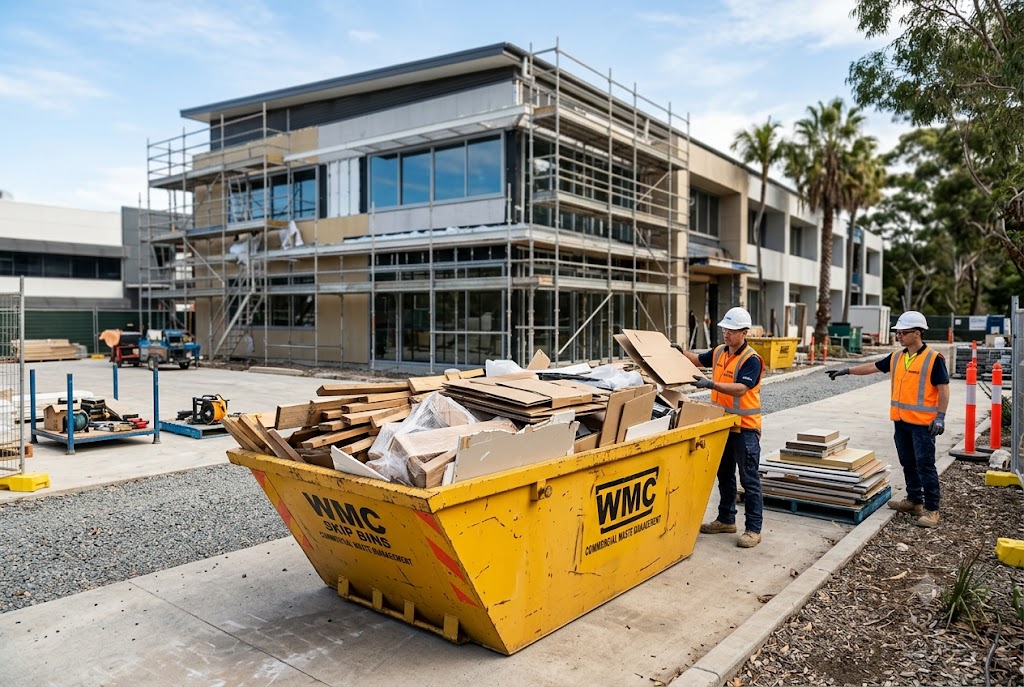
Building sites generate enormous waste volumes. From excavation spoil to packaging materials and offcuts, construction projects rely heavily on efficient skip bin services. Multiple bins for different waste streams keep sites organised and compliant.
Retail and Office Fit-Outs
Shop renovations and office refurbishments produce surprising amounts of rubbish. Old fixtures, carpet, ceiling tiles, and packaging fill bins quickly. Timely collections keep projects on schedule and maintain professional appearances for neighbouring businesses.
Manufacturing and Warehouse Operations
Factories and warehouses generate consistent waste streams from packaging, production offcuts, and outdated stock. Regular skip bin services integrate smoothly into daily operations, maintaining clean and safe working environments.
Hospitality and Event Management
Hotels, restaurants, and event venues face fluctuating waste demands. Skip bins handle peak periods efficiently, whether it’s a hotel renovation, festival cleanup, or seasonal stock clearance.
How Long Can You Hire a Skip Bin For?
Short-Term vs Long-Term Hire Options
Standard hire periods typically run from 3 to 14 days, suiting most one-off projects. Short-term hire works perfectly for renovations, cleanouts, and time-limited work.
Long-term arrangements suit ongoing operations. Manufacturing facilities, construction companies, and large commercial sites often maintain permanent skip bins with scheduled collections.
Flexible Scheduling for Ongoing Projects
Most providers accommodate changing project needs. You can request early collection if bins fill quickly or extend hire periods if projects run longer than expected. Clear communication with your provider prevents unnecessary costs.
How to Choose the Right Skip Bin Provider for Your Business
Key Questions to Ask Before Hiring
What’s included in the quoted price? Are there weight limits or excess charges? What happens if I need an early collection? Do you offer recycling services? These questions help you compare providers accurately.
Check licensing and insurance too. Reputable providers carry appropriate certifications and public liability coverage. This protects your business from potential complications.
Comparing Quotes and Services
Don’t automatically choose the cheapest option. Consider reliability, customer service, and flexibility. A slightly higher price often delivers better overall value through dependable service and fewer complications.
Tips for Maximising Skip Bin Efficiency on Commercial Projects
Strategic Placement and Accessibility
Position bins for easy access by workers and collection vehicles. Avoid blocking pathways or creating safety hazards. Consider ground conditions—bins need stable, level surfaces.
Training Staff on Proper Waste Disposal
Brief your team on what goes where. Clear signage and simple guidelines prevent contamination and rejected loads. A few minutes of training saves hours of sorting later.
Scheduling Timely Collections
Monitor fill levels and arrange collections before bins overflow. Overloaded bins create safety issues and may incur additional charges. Regular communication with your provider keeps operations running smoothly.
Environmental Considerations and Recycling Options
How Are Commercial Skip Bin Contents Processed?
Modern waste facilities sort and process skip bin contents to maximise recycling. Metals, timber, concrete, and cardboard are recovered where possible. Only residual waste heads to landfill.
Many providers now report recycling rates, helping businesses track their environmental performance and meet sustainability targets.
Meeting Australian Environmental Compliance Standards
Australian businesses face increasing environmental regulations. Proper waste management demonstrates compliance and reduces the risk of penalties. Partnering with licensed providers ensures your waste is handled according to current standards.
Conclusion: Streamlining Your Business Waste Management Strategy
Managing project waste efficiently isn’t complicated when you’ve got the right approach. Commercial skip bins offer Australian businesses a practical, cost-effective way to handle significant waste volumes without disrupting operations.
Choosing the correct bin size, understanding pricing factors, and knowing what materials are accepted sets you up for success. Building relationships with reliable providers delivers consistent service and better value over time.
So, whether you’re planning a major construction project, fitting out new premises, or simply improving your ongoing waste management, commercial skip bins can help your business manage waste more efficiently and keep projects running smoothly. Take the time to assess your needs, compare reliable providers, and implement efficient waste management practices. Your projects—and your bottom line—will thank you for it.