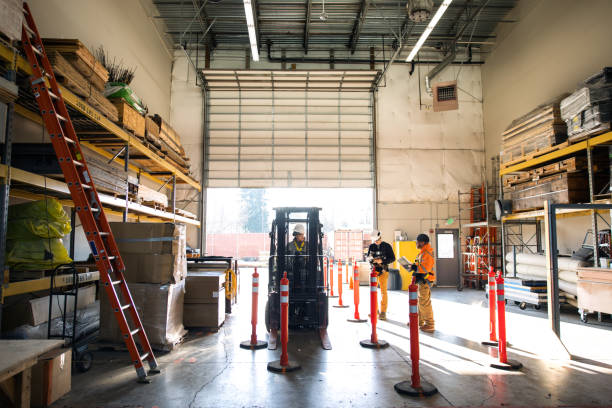
Not every forklift job is the same, and neither is the training behind it. A warehouse in Ontario operates very differently from a lumber yard in Alberta or a cold storage facility in British Columbia. It’s the environment that changes everything.
Many job seekers sign up for the first forklift training program they come across, without thinking about where they actually want to work. That one decision can slow down the whole job search.
This article breaks down forklift training programs by workplace type, so you can choose the right one from the start and move toward real, steady employment faster.
Why the Workplace Environment Shapes the Training (Not the Other Way Around)
All forklifts are not the same. The equipment, surface conditions, load types, and aisle layouts all change depending on the workplace you’re at. The training that you’re enrolled in has to match the workplace you’re employed at.
Here is what varies across Canadian work settings:
- Type of Equipment: A counterbalance forklift in a grocery warehouse works very differently from a rough terrain unit on a construction site
- Surface conditions: Indoor concrete, outdoor gravel, and uneven job site ground each need different handling skills
- Load types and height: Palletized goods in a distribution centre sit nothing like bundled lumber or steel
- Provincial OH&S requirements: Canadian regulations tie operator competency to specific equipment types and work environments, not just a general certificate
Generic training skips over most of this. Employers can tell the difference.
The 3 Forklift Training Programs That Match Canada’s Most Common Work Settings
Not all forklift certifications open the same doors. The three programs below show up most in Canadian job postings, and each one is tied to a specific type of workplace. Knowing which one fits your job target before you enrol saves time and money.
Counterbalance Forklift Certification: For Warehouses, Distribution Centres, and Retail
The sit-down counterbalance forklift is the most widely used machine in Canadian workplaces. You will find it in grocery distribution centres, retail receiving docks, and large fulfilment warehouses from Ontario to British Columbia. Training covers load balancing, stacking and destacking, tight-turn navigation, and pedestrian safety in high-traffic areas. Most employers list this certification first in their job postings, which makes it the natural starting point for anyone new to the industry.
Reach Truck and Narrow Aisle Certification: For High-Bay Warehouses and Racking Operations
Reach trucks are built for tight aisles and can lift palletized loads to heights of five to eight metres. This certification is common in automotive parts warehousing, electronics distribution, and large third-party logistics operations across Canada. Fewer operators hold this cert compared to a standard counterbalance qualification, which puts certified candidates ahead of other applicants when applying for higher-paying warehouse roles.
Rough Terrain Forklift Certification: For Construction Sites and Outdoor Operations
Rough terrain forklifts are built for ground that is uneven, unpaved, or constantly shifting. Lumber yards, construction sites, agriculture operations, and oil and gas support facilities across Western Canada use these machines regularly. Training covers slope management, load security on unstable ground, and operating without marked lanes or fixed references. Demand for certified operators in this category remains steady and competition is generally lower.
How to Pick the Right Program Before You Enrol
Choosing the wrong program is a mistake many job seekers make without realizing it. A certificate that does not match your target industry will not carry much weight in a job interview. Here is what to think through before you commit:
- Match the certification to the industry: Look at actual job postings in your area and note which equipment type comes up most often. Start there
- Ask about hands-on training hours: Programs heavy on classroom instruction and light on practical operation will not prepare you for a real site evaluation. Employers notice this quickly
- Check provincial OH&S alignment: Training requirements differ slightly across Canadian provinces. Confirm the program meets your province’s standards before you enrol
- Ask how the training is set up: Does the course simulate a real workplace setting? A proper training yard teaches far more than a slide deck ever will
- Think about stacking certifications over time: A counterbalance cert now and a reach truck qualification a few months later makes you a stronger candidate across more job categories
The right program is not always the closest or the cheapest one. It is the one that actually puts you in front of the right employers.
What Canadian Employers Actually Expect After Your Training
Getting certified is step one. What happens next depends on how well your training actually prepared you. Canadian employers in material handling and logistics look for more than a printed certificate when hiring.
Here is what most of them expect to see:
- Certification from a recognized training provider: A one-day session with no practical hours can leave most managers concerned and doubtful.
- Documented operating experience: Even a small number of logged hours shows you have handled real equipment.
- Equipment-specific knowledge: Employers want operators who already understand the machine used at their facility.
- Basic OH&S awareness: Safe material handling practices and site conduct are expected from day one on the job.
Find a Forklift Training Program That Actually Fits Your Goals
The workplace you want to work in should shape your training decision. Counterbalance, reach truck, and rough terrain certifications each lead to different roles across Canada. Choosing based on your job target is what separates a useful certificate from one that never gets used.
Look for a forklift training program that matches your industry and includes real hands-on hours. That is what employers all over the country are actually hiring for.