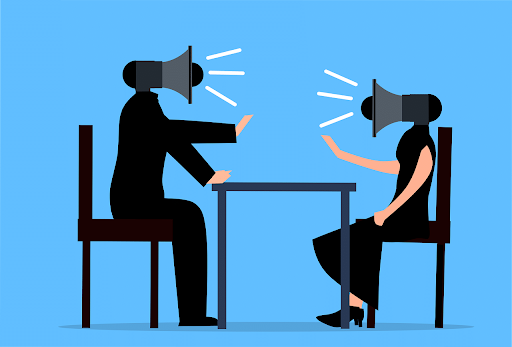
A stressful working environment typically moves quite rapidly, with deadlines, changes in priority, and a lot of communication happening on a daily basis. More than just technical knowledge is required from workers in order to concentrate, communicate, and collaborate. Behavioral training for employees provides individuals with valuable habits of communication, cooperation, self-control, and decision-making. Such skills determine everyday behavior and enable teams to work coherently when concentration is crucial for every assignment.
- The Importance of Behavioral Skills in Situations of Pressure: Pressure can affect how individuals communicate, listen, respond and make decisions. Behavioral skills give employees the fundamental skillset to handle such situations with patience and strategy. Through communication, it becomes possible for people to exchange knowledge and raise relevant queries while being aware of any changes. The art of listening helps individuals communicate well with their peers, superiors, clients, and others who may be interested.
- How Learning Helps to Make a Positive Response at Workplaces: Through learning by practice, the learners will have a way of knowing themselves and interacting in general. Behavioral learning is carried out through approaches like role play, guided discussion, case study from the workplace and practice sessions. Through this, the learners practice the skills of giving feedback, conflict management, conversation management and handling emergencies.
- Communication Becomes More Clear: Effective communication is more important when there are a number of things taking place at once. Individuals who have the behavioral skills required can organize themselves and select proper language, and even adjust their way of communicating. Listening and then speaking allows them to understand each other, while effective communication helps them to coordinate their work, and respectful discussions help them to exchange opinions and solve problems.
- Teamwork Gains Greater Strength: Many high-pressure projects involve people in various roles working collaboratively. Behavioral training programs enable workers to comprehend what is expected from their teammates, share collective responsibility, and provide assistance. It gets easy for people to work together if they clearly state their expectations and show respect towards each other. These skills may prove useful in the creation of trust among employees.
- Better Decisions During Busy Moments: Decision making is an activity that people undertake regularly at the workplace due to the fact that the priorities are changing rapidly. Through behavior training, people learn to pause, analyze the situation around them, prioritize the factors that are important and then make a sound decision as to how they can respond. With greater exposure to decision making through practical experience, people grow more confident of themselves.
- Emotional Control Supports Focus: The workplace environment has the capability of raising different kinds of emotions during discussions and hence emotional awareness forms part of the workplace skills. Through training, employees can learn to identify the emotions that arise, take a reflective pause and develop the best way forward. Simple skills such as deep breathing, attentive listening and speaking will be very useful. Emotional awareness plays a big role in fostering respectful communication, whereby the individual ensures that the discussion ends well.
In conclusion, good performance at work is built on the knowledge that one has about work and human skills. Behavioural skills training for employees provides a way through which they can learn how to communicate, collaborate, listen, converse, and make good decisions in the tough working days. With these skills integrated into learning, employees will have more clarity about their duties. A work environment that recognizes growth in behavior will create better practices to help individuals and teams perform consistently.