Office fitouts aren’t just about aesthetics—they’re key to employee satisfaction, brand positioning, and overall productivity. Businesses face stiff competition in a thriving place like Somerville, so standing out in terms of workspace design can be a real advantage. Creating a comfortable and well-organised environment can not only boost morale but also help with attracting and retaining top talent.
At the heart of any office design is the day-to-day experience of staff. Think about how your employees move around the space, how they collaborate, and how they might use breakout areas or meeting rooms. In Somerville, where the community spirit is strong, it’s vital to strike a balance between local regulations and the needs of your people. After all, an office that supports diverse working styles tends to encourage creativity and efficiency.
Above all, a well-planned office fitout signals professionalism to clients and visitors. First impressions count, and when you invite potential investors to your workspace, you want them to sense your company’s identity right away. Done correctly, office fitting out in Somerville can emphasise your brand personality while remaining functional and forward-thinking.
Fitout Planning Advice: Regulations and Approvals
Regulatory compliance can be daunting, but it’s non-negotiable when planning an office fitout in Somerville. Ignoring rules now can lead to costly fines and extra work later. So, let’s cover the basics of approvals, health requirements, and local authority collaboration.
Somerville-Specific Compliance and Permits
Somerville has requirements around planning permits, environmental guidelines, and possibly heritage restrictions (depending on the building). Before you submit any office fit out ideas to contractors, research these regulations. You may need to:
- Apply for a change of use permit if you’re altering the space’s function
- Get approval for structural changes, like relocating walls or adding windows
- Confirm that the materials used align with fire and building codes
Be proactive by consulting the local council or planning authorities early on. This approach minimises unexpected delays and helps you build a better relationship with community stakeholders.
Health, Safety, and Accessibility Requirements
Health and safety are paramount. This includes ensuring fire exits are unobstructed, installing smoke detectors, and making sure that the workspace is accessible for those with disability or mobility issues. When creating breakout rooms or communal areas, keep pathways free from hazards and ensure they meet the relevant local guidelines.
Additionally, never overlook ventilation, lighting, and ergonomic furniture choices. Well-chosen chairs, adjustable desks, and decent airflow improve employee comfort levels—a step that can reduce sick leave and amplify overall job satisfaction.
Developing a Project Plan for Office Fit Out
A solid project plan acts as your roadmap, guiding you from concept to completion. Let’s examine how to select the right contractors, define milestones, and handle any unexpected hurdles.
Selecting Contractors and Key Stakeholders
The right team can make or break your office fitout. When hiring professionals, look for:
- Industry experience: Do they specialise in commercial fitouts or have case studies to share?
- Local know-how: A Somerville-based contractor will know the council processes and local suppliers better.
- Strong communication skills: You’ll want a contractor who talks openly about costs and timelines.
Get in touch with multiple contractors, gather quotes, and ask questions about working styles. Being selective now can save you money, time, and stress down the line.
Defining Milestones and Deliverables
Clear milestones help everyone stay on track. For example, your first milestone could be “demolition complete,” and your next might be “electrical wiring installed.” By breaking your plan into smaller parts, you ensure the project moves forward in a logical sequence.
Deliverables are the specific outputs you expect—like a new conference room complete with upgraded AV equipment. When everyone understands what deliverables to aim for, accountability goes up. This structure keeps tasks from slipping through the cracks and helps you measure progress more accurately.
Modern Office Fit Out: Design Trends and Ideas
Office space has evolved remarkably over the past decade. Today’s modern office fit out emphasises collaboration, flexibility, and wellbeing. Let’s explore the core design trends shaping workplaces in Somerville and beyond.
Open-Plan vs. Private Workspaces
The open-plan concept has its appeal—lots of natural light, flexible desk arrangements, and the sense of a shared mission. However, it isn’t for everyone. Some tasks require quiet, secluded spaces, so a hybrid approach might be best.
Open-plan with breakout rooms or phone booths can accommodate both collaborative tasks and private conversations. Think about your team’s typical activities to decide the ratio of open area to enclosed offices. The aim is to craft a balanced environment that supports various working styles while still aligning with your brand identity.
Technology Integration and Smart Solutions
Modern office fitouts often include advanced technology to boost efficiency and productivity. Some popular options include:
- Smart lighting systems that auto-adjust based on daylight levels
- Virtual meeting tools and interactive screens in conference rooms
- Occupancy sensors for real-time desk booking in flexible work zones
For many Somerville-based companies, integrating technology is a way to future-proof their offices. Updating hardware or adding new software solutions can seem daunting, but the long-term advantages often outweigh any initial challenges.
Office Fit Out Tips for Practical Implementation
Turning design plans into reality can be complicated. Here are some practical office fitout tips to guide you while the actual work is underway, covering space use, aesthetics, and managing disruptions.
Efficient Use of Space and Storage
An office can quickly become cluttered if you don’t plan storage carefully. Incorporate built-in cabinets, shelving, or multipurpose furniture where possible. Proper storage cuts down on disorganisation and helps you make better use of your available floor area.
Consider modular workstations, which can be rearranged as teams change. The ability to reconfigure spaces on short notice supports shifting departmental needs and encourages cross-functional projects. Opting for flexible solutions can prevent your workplace from feeling cramped or outdated as time goes on.
Balancing Aesthetics and Functionality
A visually appealing office is certainly a plus, but never at the expense of comfort or practicality. When placing decorative elements, focus on how they fit in with day-to-day operations. Even small touches—like greenery or an accent wall—can add warmth without hindering workflow.
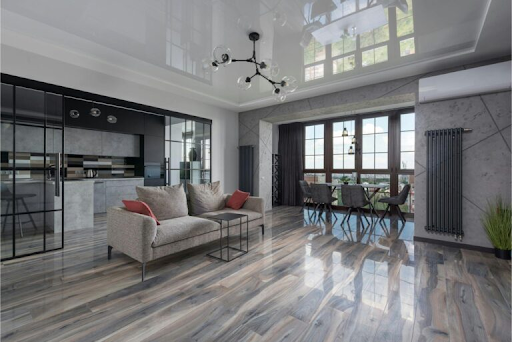
Meanwhile, selecting the right flooring, adequate lighting, and ergonomic furniture can transform your office from bland to brilliant. The key is to integrate design flourishes that enhance, rather than obstruct, the way your people work and collaborate.
Office Fitting Out: Budgeting and Cost Control
Money is often one of the biggest concerns when tackling an office fitout. The good news is that strategic budgeting and savvy cost control can help you deliver a top-notch solution without overspending.
Prioritising Investments and Upgrades
Not all upgrades are created equal. Some improvements, like high-quality ergonomic chairs or energy-efficient lighting, can have a direct impact on employee well-being and operational costs. Others may be more aesthetic, such as decorative fixtures or specialty art.
Identify which elements will offer the best return on investment. By investing thoughtfully in areas that elevate productivity or create a unique brand impression, you’ll ensure your budget is spent wisely.
Cost-Effective Materials and Finishes
Choosing cost-effective materials doesn’t mean sacrificing quality. Many eco-friendly or upcycled materials are durable and stylish. Look for bargains on partitions, flooring, or furniture from reputable suppliers that offer a warranty.
Additionally, talk to contractors about affordable alternatives that still align with your design vision. You can also negotiate discounts for bulk purchases or request samples to test durability before committing. Small adjustments can add up to massive savings in the long run.
Modern Office Fitouts: Future-Proofing Your Workspace
Somerville companies are increasingly looking for ways to stay ahead in a dynamic business landscape. By future-proofing your office, you’ll adapt more easily to changing technology, workforce sizes, and environmental considerations.
Sustainability and Eco-Friendly Choices
Today, it’s vital to consider the environmental impact of your office fitout ideas. From installing LED lighting to choosing furniture made from recycled materials, eco-friendly options are becoming more accessible than ever.
Going green isn’t just about ticking a box—it can reduce operating costs and create a healthier environment for employees. For instance, adding indoor plants can help purify the air, while natural lighting reduces your reliance on artificial sources.
Embracing Innovation in Somerville Offices
Innovation can take many forms, from equipping conference rooms with cutting-edge virtual collaboration tools to experimenting with new interior styles. Remember, “modern office fitouts” go beyond futuristic gadgets. It’s about staying open to new ideas that enhance productivity and employee comfort.
Keep an eye on emerging trends and tech solutions, but never lose sight of your team’s real-life needs. Striking that balance ensures your workspace feels both forward-thinking and genuinely user-friendly.
Conclusion: Key Takeaways and Final Thoughts
Summing up, a well-executed office fitout in Somerville is far more than a cosmetic endeavour—it’s a strategic move that can elevate productivity, improve employee happiness, and reinforce your brand image. From mapping out your initial project goals to securing local permits and investing in future-proof designs, every step has a role to play. Keep communication transparent, budgets realistic, and timelines firm yet flexible.
Ultimately, achieving a modern office fitout doesn’t mean adopting every trend on the market. Instead, it involves selecting elements that complement your day-to-day operations and align with your broader corporate vision. By prioritising health, safety, and long-term adaptability, you’ll set your workspace up for ongoing success.
If you’re about to start planning an office fitout in Somerville, take heart in knowing you have the fundamentals at your fingertips. By putting these essential tips and guidelines into action, you’ll create a positive environment where your team can thrive. It’s time to turn your office renovation dreams into a reality—step by step, with creativity, purpose, and a clear plan in hand.