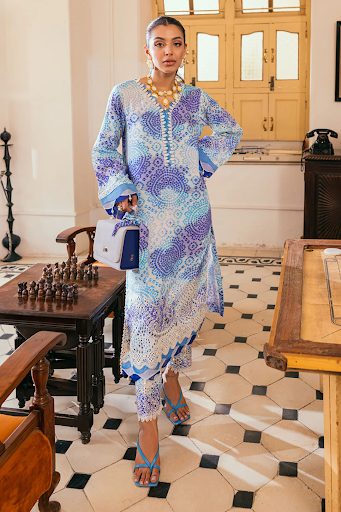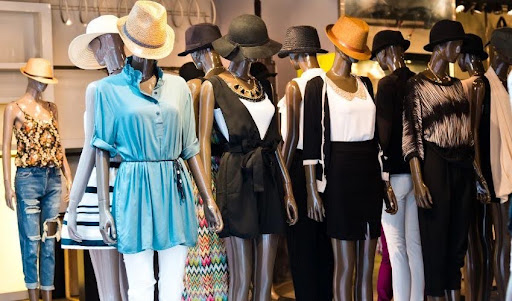
Luxuries are changing as demand, innovation and sustainability requirements dictate how premium brands adapt to the new world we live in. The last few years have seen a wave of innovation in the luxury fashion world, in how products are designed and manufactured, as well as how consumers interact with brands and products.
Consumers now want to know how products are made, the origins of sourcing, and if brands are producing sustainably. Equally in this moment of digital acceleration, digital tools are redefining the modern consumer experience of luxury shopping. Take for instance, recommendation engines driven by artificial intelligence and virtual showrooms, which enable fashion brands to redefine the way they engage with their customers. These innovations are opening new opportunities for both legacy fashion brands and new designers alike.
Changing Trends in the Global Luxury Fashion Industry
Fashion and lifestyle consumers are seeking a mix of luxurious and trendy, with traditional quality and exclusivity as well as sustainability, innovation and personalisation. Luxury clothing, shoes, handbags, accessories and fashion collections are the traditional hallmarks of such demand.
The global luxury fashion market is worth USD 284.86 billion in 2025 and is estimated to reach USD 425.73 billion by 2035 with a CAGR of around 4.10% during the forecast period, 2026–2035. The rapid expansion of digital retail channels, consumers’ shifting purchasing patterns, rising awareness of luxury brands, and brand experiences are just a few reasons driving the market’s expansion. With the industry evolving, sustainability and technological innovation are forecasted to become more and more significant in developing business plans.
Sustainability Is Reshaping Luxury Fashion
It is now the case that consumers, fashion brands and all actors in the clothing industry pay more attention to the impact of production, sourcing of textiles and packaging, transportation and logistics, with a view to implementing more environmentally responsible manufacturing processes.
The environmental impact is also increasingly front and centre to various collections, with some brands turning to organic cotton, recycled and eco-friendly textiles, ethical leather substitute and more. This minimises reliance on traditional materials and embraces the demand for responsible choices.
Another emerging trend within the industry is the consumer shift towards circular fashion. Rather than promoting solely the latest collection, brands are expanding into repair offerings, resale sites, used garment recycling and product refurbishment to prolong the lifecycle of high-quality products while opening up new sales channels.
Transparency is another factor here. Consumers want to be informed about where the materials originate from, how they are manufactured, and what kind of labour practices are involved. Forward-thinking brands will see the value in being transparent with their consumers.
The Role of Technology in the Future of Luxury Fashion
Digital acceleration has already revolutionised how luxury fashion brands conceive, produce and sell their collections, as well as how they interact with clients. Digital solutions and technologies are enabling brands to become more personalised as well as streamline their fashion value chain processes.
Artificial Intelligence and Personalised Shopping
In the future, AI will be an essential tool for luxury fashion stores to succeed. Driven by artificial intelligence (AI), the technology is able to access a retailer’s entire buying history to identify what the customer will want to buy in the future.
These tools allow brands to better predict demand, monitor stock levels and stay ahead of new fashion trends. An example is the use of recommendation engines by online luxury retailers to recommend items based on the particular interests of a customer. This makes for a more tailored shopping experience.
Virtual Reality and Augmented Reality
Virtual reality and augmented reality are creating new opportunities for consumers to engage with luxury fashion collections. Virtual showrooms can serve as immersive environments in which customers discover products, and augmented reality apps can enable customers to have interactive experiences with products.
Such tools are especially appealing for online merchants aiming to mimic the physical shopping experience for customers: Offering a preview of product information, creating a virtual of items and accessories, and interacting with visual collections.
E-Commerce and Digital Fashion Platforms
Many high end fashion brands are in the process of establishing a digital presence to access their target buyers throughout the world. An online shop lets users experience the product details and discover tailored services without being in a store.
Focus for luxury fashion – Instagram and other digital media allow brands to display collections, team up with fashion influencers, and connect directly to their audiences. When luxury retailers pair their digital platforms with good customer service, they are creating a strong online presence.
Changing Consumer Behaviour in the Luxury Fashion Market
Consumer behaviour is one of the important influences on the future of luxury fashion. Consumers of today are searching for the value, authenticity and brands values; and not only focusing on the brand recognition.
Younger customers have a growing impact on buying decisions across the industry The younger generations, including millennials and Generation Z, are being exposed to luxury brands more via social media, digital campaigns, collaborations with celebrities and influencers. They also tend to gravitate towards brands that value transparency and communicate their beliefs.
Personalisation is also significant. Consumers are now seeking more unique products, personalised items and personalised experiences to appeal to their individual taste. Upmarket companies are introducing made-to-order ranges, personalisation for accessories and exclusive customer events.
The demand for second-hand luxury goods is up, and the market is evolving. Resale sites enable shoppers to browse authentic, high-end designer handbags, watches, clothing, and accessories in a range of prices. Authentication services are also helping to ease worries about fakes and build confidence in the second-hand market.
Challenges Facing the Luxury Fashion Industry
Despite its growth opportunities, the luxury fashion industry faces several challenges that may influence its future development. Brands need to balance exclusivity, profitability, sustainability, and changing consumer expectations.
Some major challenges include:
- High Production Costs: Premium materials, skilled craftsmanship, and responsible manufacturing practices can increase production expenses.
- Counterfeit Products: Fake luxury goods can damage brand reputation and reduce consumer confidence.
- Sustainability Pressures: Companies must improve sourcing, production, and supply chain practices while maintaining product quality.
- Changing Consumer Preferences: Shifts in fashion trends and purchasing behaviour require brands to continuously adapt their offerings.
- Digital Security Risks: Online retail platforms must protect customer information and prevent fraudulent transactions.
Addressing these challenges requires investment in technology, effective supply chain management, product authentication, and transparent business practices. Brands must also maintain their distinctive identities while adapting to changing market conditions.
Emerging Trends That Will Shape the Future of Luxury Fashion
Here are some developments expected to shape the coming years. Last but not least, sustainable product development will continue to be a crucial focus as brands work on innovative materials, supply chains and circular strategies.
AI-powered shopping assistants, virtual fashion experiences and high-end customer insights will also be further ways of digital innovation. This would enable brands to gain consumers’ preferences and offer more personalised experiences.
A few years ago, the sharp trending topics were: discreet luxury and minimalism. Specifically, here it was quiet luxury or connoisseurs’ luxury, characterized by high-end quality, neutral designs, low profile branding and high-end materials and craftsmanship rather than the presence of logos.
The resale sector is expected to continue to be relevant as customers look for authentic secondhand products and additional purchase options. Luxury brands may turn to their own resale, repair, and authentication services more often to keep stricter control on products and customers.
Conclusion
Looking ahead, luxury fashion will need to evolve alongside three PEST factors – PEST (Environmental factors), Consumer Behaviour and Innovation (digital world). Although craftsmanship, fresh designs and exceptional product quality will always be hallmarks of luxury fashion, brands need to adapt to environmental issues and digital (online) requirements.
AI and immersive shopping experiences, new materials and sustainability, and circular business models are opening up new pathways for industry players. Those who are able to adapt these trends into their business model without compromising their brand DNA will have an advantage in adapting to the future of customer demand.