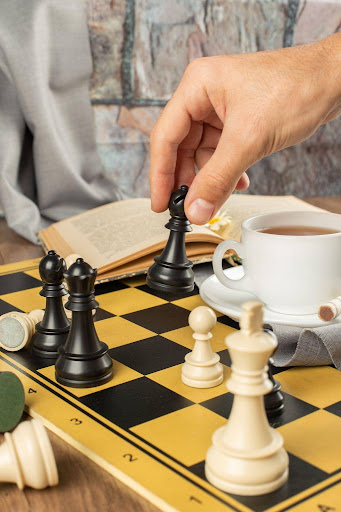
Competitive chess requires more than knowing the rules or memorizing a few openings. For young players looking to develop stronger strategic thinking and tactical skills, Advance Chess Classes provide structured learning that can build discipline, confidence, and sound decision-making. With the right training approach, children can gradually learn to evaluate positions, make purposeful decisions, manage pressure, and apply their lessons effectively during competitive games.
Building a Strong Strategic Foundation
Strategic thinking begins when children learn to understand the purpose behind each move. Instead of moving pieces simply because a move looks attractive, players learn to consider king safety, piece activity, pawn structure, space, and long-term plans. This foundation helps them recognize that every position presents different opportunities and challenges.
Structured training also teaches children to evaluate a position before choosing an action. They become more comfortable asking practical questions about threats, weaknesses, exchanges, and possible plans. Over time, this process develops a disciplined thinking routine that can be applied across different opponents and tournament situations.
Developing Skills Through Consistent Practice
Competitive improvement depends on regular practice rather than occasional lessons. A well-designed training routine combines instruction with puzzles, guided games, analysis, and opportunities to play against different opponents. This variety exposes children to unfamiliar positions and encourages them to adapt rather than rely on memorized sequences.
An online advanced chess course can provide a structured environment where students work on complex positions while receiving guidance from experienced coaches. Interactive lessons and game-based practice can make advanced concepts easier to apply, particularly when students review their decisions and understand the consequences of each move.
Core Abilities That Support Tournament Performance
Several connected abilities help young players perform more effectively when games become demanding:
- Tactical calculation
- Positional understanding
- Opening preparation
- Endgame technique
- Time management
These skills work together during a tournament. Strong calculation supports accurate decisions, while positional understanding helps players create plans when no immediate tactical opportunity arises. Opening preparation builds confidence early on, and endgame technique helps convert advantages. Time management keeps decision-making practical throughout the game.
When children practice these abilities together, they become better prepared to handle changing positions and competitive pressure. The objective is not simply to win every game, but to develop reliable thinking habits that support steady improvement.
Turning Analysis Into Better Decisions
Game analysis is one of the most valuable parts of competitive chess development. Reviewing a completed game allows children to identify moments where their calculation, evaluation, or planning could have been stronger. Instead of treating mistakes as failures, coaches can use them as learning opportunities and connect them with specific training exercises.
-
Identifying Critical Moments
A useful review focuses on important turning points rather than every move equally. Children can learn to recognize blunders, missed opportunities, inaccurate exchanges, and moments when a better plan was available. This teaches them to notice patterns that may appear again in future games.
-
Improving Calculation
Calculation training encourages players to examine candidate moves and anticipate likely responses before committing to a decision. Children gradually become more comfortable calculating several moves ahead while checking whether the resulting position is favorable. This habit reduces impulsive decisions and strengthens practical accuracy.
-
Strengthening Positional Judgment
Not every chess position can be solved through tactics. Players also need to understand weak squares, active pieces, pawn weaknesses, open files, and favorable exchanges. Studying these elements helps children create plans even when there is no immediate combination available.
-
Building Opening Awareness
Opening preparation should develop understanding rather than encourage children to memorize long variations without context. Learning the ideas behind an opening helps players know where pieces belong, which plans are common, and which strategic themes may emerge after the opening phase.
-
Practicing Endgame Technique
Endgames demand patience and precision. Children who study basic and advanced endgame positions learn how to use their pieces efficiently, calculate accurately, and convert small advantages. Regular endgame practice also improves confidence when games reach unfamiliar late positions.
Building Tournament Confidence
Confidence in chess develops through preparation and experience. Children become more comfortable in competitive situations when they repeatedly practice decision-making under realistic conditions. Internal tournaments, timed games, and varied opponents can help them experience the pressure of making choices without constant assistance.
Exposure to competitive formats also teaches children to recover after an inaccurate move and continue playing with a clear plan. This resilience matters because tournament games rarely follow a perfect script. Learning to stay composed, reassess the position, and search for practical chances can turn difficult moments into valuable competitive experience over time.
Coaches can also help young players develop practical routines for before, during, and after a game. Mental preparation, time management, staying focused after mistakes, and reviewing the game afterward can make tournament participation more productive. These habits encourage children to concentrate on the quality of their decisions rather than becoming overwhelmed by results.
Habits That Encourage Competitive Growth
Developing strong competitive habits helps children stay focused, learn from every game, and approach challenging positions with greater confidence. Consistent routines also encourage thoughtful decision-making and steady improvement over time.
- Analyze losses constructively
- Practice calculation regularly
- Review tournament games
- Learn from stronger opponents
- Maintain consistent training
A strong competitive mindset grows through repeated reflection and purposeful practice. Children who understand that improvement comes from studying mistakes are more likely to remain patient and motivated when progress takes time.
Conclusion
Strategic chess training gives children a practical foundation for competitive play by combining calculation, planning, analysis, time management, and tournament experience. For families seeking top advanced chess classes, choosing a program with structured lessons, experienced guidance, regular practice, and opportunities for competitive application can make the learning journey more meaningful.
For those exploring a focused training partner, Chessbrainz offers a comprehensive online chess learning environment designed to support children across different skill levels. Its structured courses, personalized coaching, interactive lessons, tournament opportunities, and experienced instructors help students strengthen their chess abilities while developing independent thinking and competitive confidence.