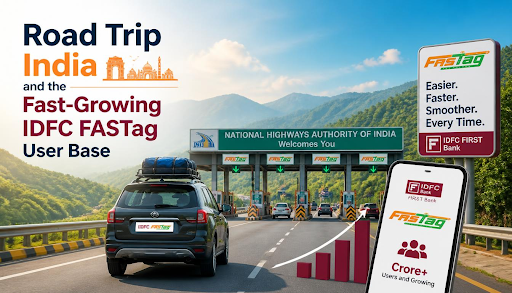
Road trips have always been a cherished way to explore the vast landscapes and vibrant cultures of India. With the growing emphasis on convenience and efficiency in travel, the introduction of the IDFC FASTag has significantly transformed the road-tripping experience. The IDFC FASTag allows vehicles to pass through toll plazas without stopping, making it a vital tool for travelers aiming to avoid lengthy queues.
Anyone using IDFC FASTag begins with adopting the technology. Unlike traditional toll payments, which often involve cash or card payments that can cause delays, FASTag provides a more streamlined approach. Users simply affix a tag to their vehicle, and a fee is automatically deducted from their prepaid account as they drive through the toll. This instant transaction means that drivers can enjoy their journey without the stress of toll-related delays. Given India’s ambitious road expansion projects, the increasing adoption of IDFC FASTag is not only practical but proves to be a more efficient choice for frequent travelers.
How does the IDFC FASTag work?
Utilizing IDFC FASTag is straightforward. After purchasing the tag from a bank or authorized retailer, the user registers it by linking their vehicle registration number and loading a certain balance for toll payments. The unique features of the FASTag system mean that users can top up their balances using various methods, including online, making fastag recharge as convenient as possible.
Once the FASTag is affixed correctly on the vehicle’s windshield, it works automatically at designated toll plazas equipped with electronic toll collection systems. As the vehicle approaches a toll booth, sensors scan the FASTag, and the toll amount is deducted from the user’s prepaid account. Users receive an SMS notification about the deduction, allowing them to keep track of their usage.
One significant aspect of IDFC FASTag is that it adheres to government regulations concerning electronic toll collection, making it a reliable method. The system is designed to cater to the diverse infrastructure characteristics of India’s highways, ensuring that both urban and rural routes benefit from enhanced toll collection processes.
What are the benefits of using IDFC FASTag for road trips?
There are numerous benefits to using IDFC FASTag while on a road trip. Firstly, it lessens travel time, allowing families or groups to enjoy the scenic views of India instead of waiting in toll queues. This is particularly advantageous during peak travel seasons, such as festivals or holidays, when toll plazas are likely to be busier than usual.
Moreover, IDFC FASTag supports a cashless transaction model. As an electronic payment system, users are less exposed to issues related to cash management, such as carrying exact change or the risk of loss or theft of physical cash. This feature makes it especially appealing for long journeys across remote areas where ATM access might be limited.
Additionally, the rapid acceptance of FASTag has positively impacted road safety. With less time spent idling at toll booths, there is a reduced risk of accidents that can occur when drivers are distracted or rushing to pay tolls. The efficiency offered by IDFC FASTag translates into safer driving experiences by allowing motorists to concentrate more on the road rather than the complexities of toll payments.
What challenges do users face with IDFC FASTag?
Despite the many advantages, users may encounter certain challenges while using IDFC FASTag. One common issue is technical glitches related to the tag itself or the toll collection equipment. Such glitches can lead to unexpected delays at toll booths and, in some cases, may result in double deductions or inaccuracies in the balance. Nevertheless, the quick access to customer service helps address these concerns effectively.
Another challenge may arise when it comes to the need for a sufficient balance. Users may forget to recharge their accounts before embarking on longer journeys, leading to inconveniences when they reach tolls. The variety of available fastag recharge options, including mobile apps and online banking, typically alleviates this issue but requires users to stay diligent about managing their accounts.
Additionally, users need to keep track of the new FASTag regulations and updates set forth by the government. Awareness of these changes is essential to ensure smooth usability and compliance while traveling.
Paying through Bajaj Pay
Using Bajaj Pay for the IDFC FASTag recharge process is tangible for anyone planning a road trip. The payments are processed instantly with zero fees, and users can recharge their FASTag accounts via the Bajaj Finance App or website. This platform allows for multiple payment modes, giving users the freedom to choose what suits them best.
To recharge FASTag using Bajaj Pay, users typically follow these steps:
- Open the Bajaj Finance App or website.
- Navigate to the FASTag recharge section.
- Enter the vehicle registration number.
- Specify the amount for recharge.
- Confirm the payment, receiving an instant digital receipt.
This convenience empowers road-trippers to focus solely on their adventures while ensuring their FASTag is always ready for use.
Conclusion
In summary, IDFC FASTag epitomizes the evolution of travel convenience in India, enhancing the road trip experience. It’s a passport to seamless travel, ensuring you avoid long waits at toll booths. For an effortless FASTag recharge, Bajaj Pay stands out as a fee-free solution, making your journeys even more enjoyable. Embrace the road with ease and efficiency by opting for IDFC FASTag and consider Bajaj Pay for your next recharge. Happy travels!