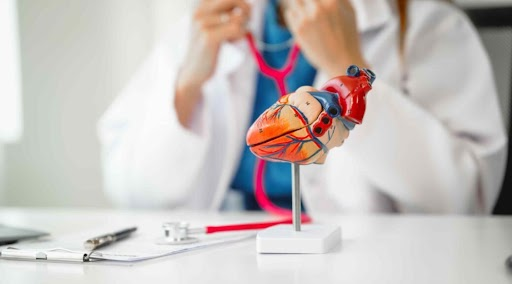
A heart attack requires immediate medical attention, and recognising its warning signs can meaningfully improve treatment outcomes. Symptoms can develop suddenly or gradually, and men and women may experience different patterns of discomfort. Mumbai has hospitals equipped to assess cardiac emergencies, but when symptoms suggest a heart attack, calling emergency services matters more than comparing hospitals.
If you’re researching the Best Heart Hospital in Mumbai, consider emergency cardiac facilities in advance, so you know what support is available if needed.
Why Is Early Medical Attention Important During a Heart Attack?
A heart attack occurs when a coronary artery becomes blocked, restricting oxygen-rich blood from reaching the heart muscle. Anyone with possible heart attack symptoms should seek emergency medical help immediately rather than arrange a routine consultation.
Early medical attention helps doctors assess the heart, find the blocked artery, and begin treatment. Getting blood flow back quickly can limit damage to the heart muscle. Emergency teams also monitor the patient’s heart rhythm and circulation while they assess the situation.
What Are the Common Warning Signs of a Heart Attack?
Heart attack symptoms vary in intensity and may develop during everyday activities or periods of rest. Recognising physical changes helps people seek appropriate medical assistance.
Common warning signs include:
- Chest Discomfort: Pressure, tightness, squeezing or heaviness in the centre of the chest.
- Shortness of Breath: Difficulty breathing during activity or while resting.
- Upper Body Pain: Discomfort spreading towards the shoulders, arms, neck, jaw or back.
- Cold Sweats: Sudden sweating accompanied by unusual physical discomfort.
- Nausea and Dizziness: Feeling sick, light-headed or unusually weak.
These symptoms deserve prompt attention, particularly when several appear together or discomfort continues.
How Do Heart Attack Symptoms Differ in Men and Women?
Chest discomfort is a common heart attack symptom in both men and women. Women may also experience breathlessness, nausea, back or jaw discomfort, or unusual fatigue, sometimes without prominent chest pain. Symptoms can overlap, but the following table shows patterns that you may experience:
| Symptoms in Men | Symptoms in Women |
| Chest pressure or squeezing | Chest pressure or discomfort |
| Pain extending towards the arms | Discomfort involving the back, neck or jaw |
| Breathlessness and sweating | Breathlessness and nausea |
| Chest heaviness during activity or rest | Unusual tiredness or weakness |
Which Heart Attack Symptoms Require Immediate Emergency Care?
Certain symptoms indicate the need for urgent cardiac assessment. Recognising these situations can help you contact emergency services promptly.
Seek immediate medical assistance when experiencing:
- Persistent Chest Discomfort: Pressure or pain lasting several minutes or returning repeatedly.
- Sudden Breathing Difficulty: Significant breathlessness, particularly alongside chest discomfort.
- Multiple Symptoms: Chest discomfort accompanied by sweating, nausea or light-headedness.
- Spreading Pain: Discomfort extending towards the jaw, arms or back.
- Sudden Collapse: Loss of responsiveness requiring immediate emergency assistance.
What Should You Do While Waiting for Emergency Medical Help?
Taking calm, practical steps can support you or your loved one experiencing a suspected heart attack while emergency assistance arrives.
Follow these steps:
- Contact Emergency Services: Call 112 in India and clearly describe the symptoms and location.
- Encourage Rest: Help the person sit comfortably and reduce physical activity.
- Arrange Ambulance Transport: Allow emergency professionals to coordinate transport and initial assessment.
- Follow Professional Instructions: Listen carefully to the emergency operator’s guidance.
- Monitor Responsiveness: Observe breathing and responsiveness. Begin CPR if the person becomes unresponsive and stops breathing normally, following emergency instructions.
Why Does Access to Emergency Cardiac Care Matter?
Emergency cardiac facilities support rapid diagnosis through electrocardiograms, blood tests and specialist evaluation. Hospitals like Nanavati Max Super Speciality Hospital have a 24-hour cardiac catheterisation laboratory and an Intensive Cardiac Care Unit to support emergency cardiac treatment. These services help doctors select treatment based on individual findings.
When considering the best heart hospital in Mumbai, you should assess emergency availability, experienced cardiac teams and intensive monitoring facilities. During suspected heart attacks, ambulance coordination and reaching an appropriate emergency department promptly should remain the immediate priorities.
Conclusion
Heart attack symptoms can differ between men and women, so it is important to recognise the warning signs and seek emergency medical help without delay. Getting to a hospital with emergency cardiac services can help doctors assess the condition and start treatment quickly.