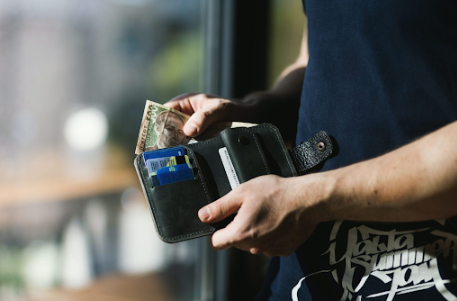
Travelling abroad requires careful planning for both your itinerary and your finances. Knowing how you will carry and access money can help you manage daily expenses, larger purchases and unexpected costs during your trip.
A combination of cash, cards and other suitable payment methods can provide flexibility across different spending situations. Planning these options before departure can also help you manage your travel budget more effectively and keep funds accessible throughout your journey. The following tips can help you choose and use suitable payment methods while travelling abroad.
Carry a Mix of Payment Methods
Using different payment methods gives you flexibility while travelling. If one option becomes unavailable or is misplaced, you can continue your trip without major disruption. It also helps you manage different types of expenses more efficiently.
Some practical payment options include:
- Carry a small amount of local currency for transport, tips and small purchases.
- Keep your debit card for ATM withdrawals where it supports international transactions.
- Use your credit card for hotel stays, shopping and larger payments where cards are accepted.
- Consider carrying a Forex Card to preload foreign currency before your journey.
Using more than one payment option helps reduce the risk of losing access to all your money at once. A balanced approach allows you to travel with greater confidence.
Prepare Before You Leave for Your Trip
Preparing your payment methods before departure can help you avoid access issues while travelling. A few simple checks can also make it easier to manage payments and emergencies after you reach your destination.
Before travelling, keep these points in mind:
- Check which payment methods are commonly accepted in your destination.
- Ensure your payment cards remain valid throughout your trip.
- Save your bank’s customer care numbers for emergencies.
- Keep copies of important travel and banking documents in a secure place.
- Store your payment methods separately instead of keeping them all in one wallet.
Preparing these details in advance can help you handle unexpected situations more smoothly and make your journey more comfortable.
Know When to Use Each Payment Option
Every payment method has its own advantages. Choosing the right option for different situations helps you manage your expenses efficiently while avoiding unnecessary inconvenience.
Cash
Cash is useful for small everyday expenses, particularly in places where digital payments are not widely accepted. Carry only the amount you expect to spend during the day and keep the remaining cash in a secure location.
Debit Cards
Debit cards allow you to withdraw local currency from ATMs and make purchases at many merchants. Before your trip, check that your card supports international transactions and understand any applicable charges.
Credit Cards
Credit cards can be convenient for accommodation, shopping and emergency expenses. They also reduce the need to carry large amounts of cash. Monitoring your spending regularly can help you stay within your travel budget.
Forex Card
If you are wondering what a Forex card is, it is a prepaid travel card that allows you to load one or more foreign currencies before travelling. You can then use it for purchases or cash withdrawals wherever it is accepted, subject to the applicable terms and conditions. Loading money before your trip can also make it easier to manage your travel expenses. Established banks, such as ICICI Bank, offer Forex Prepaid Cards that let you load multiple foreign currencies on a single card and lock the exchange rate at the time of loading. Many such cards also come with Chip and PIN protection and can be reloaded online during your trip.
Selecting the right payment method for each situation helps you stay organised and reduces the need to carry excessive cash throughout your journey.
Keep Your Money Safe While Travelling
Protecting your money is just as important as choosing the right payment methods. A few simple precautions can reduce the risk of theft, loss or fraud and help you deal with unexpected situations more confidently.
You can improve your financial security by following these tips:
- Divide your cash and payment cards between different bags or secure compartments.
- Carry only the cash you expect to need for the day.
- Keep emergency cash separate from your primary wallet.
- Shield your PIN while making payments or withdrawing cash.
- Check your account activity regularly to identify any unfamiliar transactions.
These simple habits can help minimise financial disruptions and allow you to focus on enjoying your trip.
Plan Your Spending Before and During Your Trip
Planning your expenses before you travel makes it easier to stay within your budget. Keeping track of your spending throughout your journey also helps you avoid unnecessary financial pressure.
Here are some practical ways to manage your travel budget:
- Estimate your daily expenses for accommodation, meals, transport and sightseeing.
- Check exchange rates before converting your money.
- Monitor your spending regularly during the trip.
- Keep an emergency fund for unexpected expenses.
Reviewing your expenses every few days allows you to make informed decisions and adjust your spending if required.
Mistakes to Avoid When Carrying Money Abroad
Even experienced travellers can make mistakes that lead to inconvenience or unnecessary expenses. Being aware of these common errors can help you prepare better before your journey.
Some mistakes to avoid are:
- Carrying all your money in one wallet or bag.
- Depending entirely on cash for every expense.
- Travelling without a backup payment option.
- Forgetting to check whether your payment cards are valid before departure.
- Sharing your card details or PIN with others.
Avoiding these mistakes can improve your financial security and help you enjoy a smoother travel experience.
Stay Prepared for Unexpected Situations
Unexpected situations can arise even with careful planning. Flight delays, misplaced belongings or temporary payment issues may affect your access to money. Having a backup plan can help you respond quickly without unnecessary stress.
Keep important contact numbers easily accessible and let a trusted family member know your travel plans. If one payment option becomes unavailable, having another can help you pay for essential expenses and continue your journey with confidence.
Conclusion
Managing money abroad becomes easier when you plan for both everyday spending and unexpected situations. Carry a suitable mix of cash and cards, keep backup payment options separate and monitor your expenses throughout the trip. Checking card validity, understanding applicable charges and keeping emergency funds accessible can also reduce inconvenience. A Forex Card can support planned overseas spending by allowing you to load foreign currency before travel. With the right preparation, you can manage your travel budget more securely and avoid depending on a single payment method.