A heavy crate slips off a shelf. A cart rolls faster than expected. These things happen fast, and feet are usually the first to pay the price.
Most workers don’t think about foot safety until it’s too late. Ever wonder why so many workplace injuries involve feet in the first place? But one wrong step on a busy warehouse floor can turn into weeks off the job.
That’s where steel toe shoes come in. They’re not just another safety rule to follow. They’re the difference between a close call and a real injury, and that’s worth understanding properly
What Steel Toe Shoes Actually Do for Your Feet
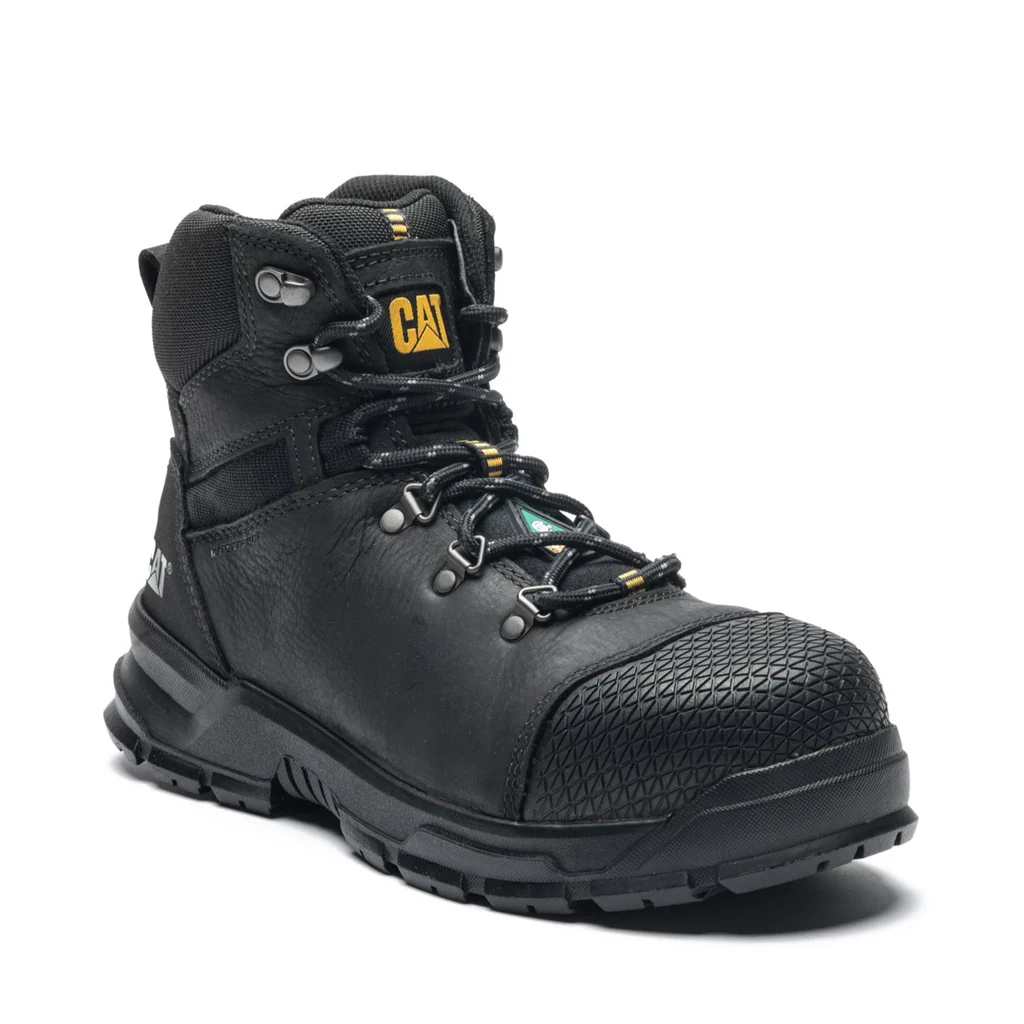
A steel toe shoe isn’t just a tough-looking boot. There’s a reinforced cap built right into the front, usually steel, sometimes alloy or composite, and it’s doing real work every shift.
So what’s actually happening inside that shoe?
- It absorbs impact. If something heavy drops, the cap takes the hit instead of toes.
- It resists compression. A wheel rolling over a foot or a pallet settling wrong won’t crush the toes the way it would in regular shoes.
- It holds its shape under pressure. CSA-approved caps are tested to handle serious force, around 125 joules for Grade 1, without caving in.
In short, the shoe is built to take the damage so the foot doesn’t have to.
Key Benefits of Wearing Steel Toe Shoes on the Job
Safety gear often feels like a box to check, but steel toe shoes earn their place for real reasons. Here’s what they bring to a workday that actually matters.
Protection From Falling and Rolling Objects
This one’s obvious, but it’s worth repeating because it’s the most common reason feet get hurt on the job. A dropped tool, a shifting box, a cart that rolls the wrong way, any of it can land on a foot in seconds. The steel cap takes that hit so the foot doesn’t have to.
Fewer Compression Injuries
Not every injury comes from something falling. Sometimes it’s a pallet jack easing over a toe or stacked inventory pressing down slowly. That kind of pressure can do just as much damage, and a solid toe cap holds up where regular shoes simply give in.
Better Footing on Tricky Surfaces
Most steel toe shoes come with slip-resistant soles, which counts for a lot on wet floors or icy loading docks during a Canadian winter. Grip matters just as much as impact protection.
Peace of Mind That Adds Up
Workers move differently when they’re not second-guessing every step. That confidence alone changes how a shift feels, and honestly, it’s the benefit people notice least until it’s gone.
Steel Toe Shoes vs. Composite Toe Shoes: Which One Fits Your Job?
Steel Toe Shoes
Steel toe shoes are the classic choice, and for good reason. They offer strong impact resistance, tend to cost less, and hold up well in heavy-duty environments like warehouses and manufacturing floors. That said, steel conducts both cold and electricity, so they’re not ideal for outdoor winter shifts or jobs near live wiring. They’re also slightly heavier, which some workers notice after a full day on their feet.
Composite Toe Shoes
Composite toe shoes use materials like kevlar, carbon fiber, or plastic instead of metal. They’re lighter, and since they don’t conduct cold or electricity, they’re a better fit for electrical work or outdoor jobs during harsh Canadian winters. The trade-off is a slightly higher price, and the toe box can feel a bit bulkier on some models.
Making the Right Call
There’s no universal winner here. Someone hauling freight indoors will likely do fine with steel. Someone working outside near electrical panels in January probably shouldn’t. It comes down to matching the shoe to the actual hazards on site, not just picking whichever one sounds tougher.
Tips for Choosing the Right Steel Toe Shoes
Get the Fit Right
Too tight, and the steel cap presses uncomfortably all shift long. Too loose, and the protection shifts out of place right when it’s needed. Trying shoes on later in the day, when feet are slightly swollen, usually gives a more honest fit.
Check the Certification Label
Not every steel toe shoe meets the same standard. Look for proper CSA grading on the label instead of assuming any reinforced shoe offers the same level of protection.
Think About the Flooring
Wet or oily surfaces call for better grip, so slip resistance matters just as much as the toe cap itself.
Break Them In Early
Steel toe shoes rarely feel perfect straight out of the box. Wearing them for shorter stretches before a full shift helps avoid blisters later.
Watch for Wear on the Cap
Once the cap shows dents or cracks, it’s time for a replacement. A damaged cap won’t protect the way it’s supposed to, even if the rest of the shoe still looks fine.
Final Thoughts on Foot Safety at Work
Feet take a lot of pressure during a workday, often without much thought until something goes wrong. A dropped object or a slow-rolling cart doesn’t ask permission, and that’s exactly why the right footwear matters so much in physical jobs.
Steel toe shoes aren’t flashy, and they don’t need to be. What they offer is steady, reliable protection that holds up shift after shift, in warehouses, plants, and loading docks across the country.
At the end of the day, good footwear isn’t about following a rule. It’s about walking off the job site the same way someone walked in, with both feet intact and nothing left to chance.