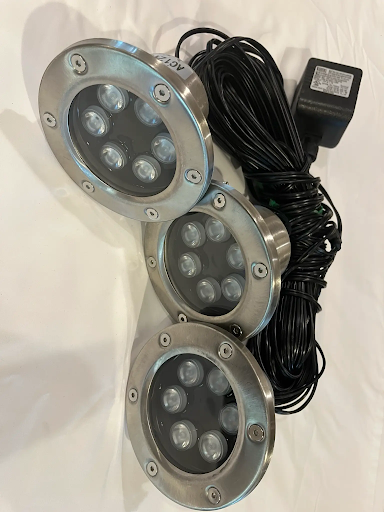
A fountain can become a completely different landscape feature after dark when lighting is planned properly. Water fountain LED lights help emphasize moving water, spray height, reflections, and the overall shape of a fountain while using relatively little energy compared with many older lighting technologies. The best results come from choosing fixtures that match the fountain pattern, pond size, viewing distance, and installation conditions. Brightness, beam angle, color temperature, electrical safety, maintenance access, and water clarity all influence how the final display looks. A thoughtful setup can create a strong nighttime focal point without producing excessive glare or wasting energy.
Why Are LED Lights Popular for Fountain Displays?
LED lighting has become common in outdoor water features because it combines efficiency, long service life, compact construction, and flexible color options.
Compared with older halogen or incandescent systems, LEDs generally require less electricity to produce a similar level of illumination. This can be useful for fountains that operate for several hours every evening.
Modern water fountain LED lights may also offer:
- Fixed white illumination
- Warm or cool color temperatures
- RGB color changing
- Programmable sequences
- Dimming
- Remote controls
- Automated timers
These options allow property owners to adjust the appearance of the fountain for everyday use, seasonal displays, or special events.
How Should Fountain Lights Be Positioned?
Placement has a major effect on visual impact.
A fixture aimed directly toward viewers can create glare, while one positioned too far from the fountain may illuminate more of the pond than the moving water.
In many cases, water fountain LED lights are positioned close to the fountain and angled upward so their beams follow the spray.
For fountains visible from several directions, using multiple fixtures can create more balanced coverage.
The goal is to illuminate the water itself rather than simply making the surrounding area brighter.
Match Lighting to the Fountain Pattern
Different fountain patterns require different beam shapes.
A tall vertical jet may benefit from a narrower, more concentrated beam. Broad fan-shaped or multi-tiered patterns may require wider beams or several fixtures.
When planning water fountain LED lights, consider:
- Maximum spray height
- Spray diameter
- Number of nozzles
- Direction of movement
- Fountain location
- Main viewing angles
A light that works well for a small single-jet fountain may not provide sufficient coverage for a large decorative spray.
Testing fixture angles after installation can help fine-tune the effect.
White or Colored Lighting: Which Works Better?
The best choice depends on the atmosphere you want to create.
White LED lighting can produce a clean, elegant appearance and often works well in residential landscapes, formal gardens, hospitality properties, and commercial spaces.
Color-changing water fountain LED lights can create a more dramatic effect for holidays, events, or entertainment-oriented environments.
Blue and green tones are commonly associated with water, while warmer colors can create a more unusual visual effect.
However, rapid color transitions can become distracting. Slower changes or a consistent color palette may create a more polished appearance.
Why Does Brightness Matter?
More light does not always produce a better fountain display.
If fixtures are too bright, they can overpower the surrounding landscape or create uncomfortable reflections. If they are too dim, the upper sections of the fountain may disappear into darkness.
Properly selected water fountain LED lights should provide enough intensity to reveal the entire spray without flooding the surrounding area unnecessarily.
Dimming controls can be especially useful because they allow brightness to be adjusted after installation.
This flexibility is helpful when ambient lighting changes throughout the year.
How Does Pond Size Affect Lighting?
A small backyard pond and a large commercial lake require very different lighting strategies.
In smaller ponds, a few fixtures may be enough to illuminate the complete fountain. Larger water bodies may require stronger lights, longer cable runs, and more carefully planned power distribution.
Viewing distance also matters.
A fountain located 100 feet from a patio may need stronger water fountain LED lights than one viewed from a nearby walkway.
Lighting should therefore be selected according to both the fountain and the distance from which people will normally see it.
Why Is Water Clarity Important?
Light behaves differently in clean water than in water containing algae, sediment, or suspended particles.
Cloudy water can scatter light, causing the display to appear hazy or uneven.
Fixture lenses can also collect algae or mineral deposits over time.
Even powerful water fountain LED lights may seem weak if the lens surface becomes coated.
Regular cleaning of both the fountain and the lighting fixtures can help maintain brightness and clarity.
Good pond maintenance therefore contributes directly to nighttime appearance.
What Electrical Safety Features Should You Look For?
Lighting installed around or under water must be designed for wet environments.
Fixtures, cables, transformers, and connectors should meet the appropriate waterproof and electrical requirements for the installation.
Important considerations include:
- Ground-fault protection
- Proper voltage
- Waterproof connections
- Outdoor-rated transformers
- Secure cable routing
- Appropriate fixture ratings
Anyone installing water fountain LED lights should follow manufacturer instructions and applicable electrical codes.
For larger permanent systems, using a qualified electrician can help reduce safety risks and ensure the power system is correctly configured.
Are Timers and Controls Worth Adding?
Yes, especially for systems used every evening.
Timers can automatically switch fountain lighting on at sunset and off later at night. Photocells can also detect ambient light and activate the system automatically.
Smart controls may allow users to adjust brightness, colors, and operating schedules remotely.
Using automated controls with water fountain LED lights can reduce unnecessary energy use and simplify everyday operation.
Separate controls for the fountain pump and lighting can provide even greater flexibility.
How Can Lighting Improve Landscape Design?
A well-lit fountain can become the visual centre of an outdoor space.
However, it should still work with nearby landscaping.
If pathways, trees, and architectural features are already illuminated, fountain lighting should complement those elements rather than compete with them.
For example, a brightly illuminated fountain surrounded by complete darkness may feel disconnected from the rest of the property.
A layered lighting plan can create a more balanced result, with water fountain LED lights providing the focal point while softer surrounding lights create depth.
How Do You Reduce Glare?
Glare occurs when the light source itself becomes too visible.
This can happen when fixtures are aimed outward rather than upward or when beams extend beyond the fountain pattern.
To reduce glare:
- Aim fixtures toward moving water
- Use appropriate beam angles
- Avoid excessive brightness
- Consider viewing positions
- Use shielding where appropriate
People sitting on patios, walking along paths, or driving near the property should not be looking directly into powerful lights.
Good lighting design highlights the fountain without drawing attention to the fixtures themselves.
What Maintenance Do LED Fountain Lights Need?
LEDs generally require less frequent replacement than older lamp technologies, but the fixtures still need periodic inspection.
Check for:
- Dirty lenses
- Damaged cables
- Loose mounting brackets
- Water intrusion
- Flickering
- Corroded connections
- Controller problems
Routine maintenance helps identify small problems before they become larger electrical or performance issues.
Cleaning frequency depends on water quality, algae growth, and environmental conditions.
How Can You Choose the Right LED Fountain Lighting System?
Start by evaluating the entire water feature rather than comparing individual lights in isolation.
Consider:
- Fountain spray pattern
- Fountain size
- Pond depth
- Viewing distance
- Fixture quantity
- Desired colors
- Power availability
- Control preferences
- Cable length
- Maintenance access
The most expensive system is not automatically the best.
Effective water fountain LED lights should provide suitable illumination, reliable outdoor performance, and practical controls without adding unnecessary complexity.
Conclusion
LED lighting can transform a fountain into a stronger nighttime feature while providing efficient and flexible illumination. Successful results depend on matching fixture brightness, placement, beam angle, and controls to the fountain’s size and spray pattern. When lighting floating fountains for ponds, it is especially important to account for viewing distance, water movement, cable routing, and access for future maintenance so the lighting remains both attractive and practical. Properly selected water fountain LED lights can highlight water movement, improve visual depth, and extend the enjoyment of a pond after sunset. With thoughtful positioning, safe electrical installation, and regular maintenance, an LED fountain lighting system can provide a reliable and visually balanced display for many types of outdoor spaces.