A drainage system can work quietly for months before a slow-flowing pipe, unpleasant smell, or sudden overflow reveals a hidden problem. Grease, soap residue, sediment, food particles, and other waste can gradually accumulate along pipe walls, restricting the movement of wastewater. When these deposits become difficult to remove, conventional cleaning methods may not provide a lasting solution. Professional jetting drain lines offer a practical way to clear stubborn buildup using pressurised water, helping restore the flow and maintain the performance of drainage networks.
Understanding the process, its applications, and the importance of regular maintenance can help property owners prevent avoidable disruptions and manage drainage systems more effectively.
How High-Pressure Jetting Works
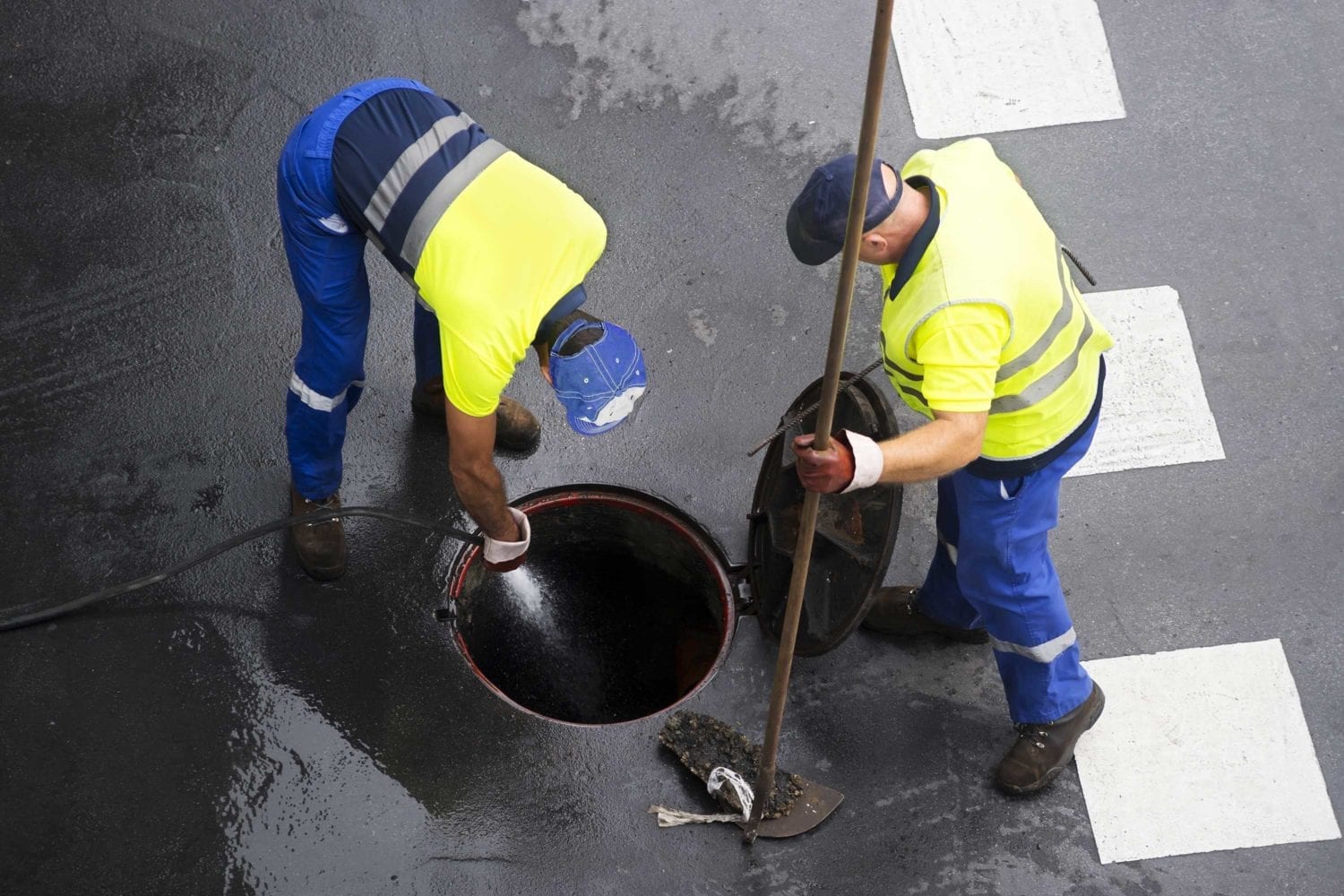
High-pressure water jetting uses specialised equipment to direct a controlled stream of water into drainage pipes. The equipment typically includes a water tank, a high-pressure pump, suitable hoses, and a specialised nozzle designed for the cleaning task.
As water passes through the nozzle, its pressure helps loosen grease, sludge, mineral deposits, and other accumulated material. Some nozzles also use backward-facing jets to move the hose through the pipe while pushing loosened debris towards an accessible cleaning point.
Unlike methods that simply create a narrow opening through a blockage, water jetting can clean a larger portion of the pipe’s internal surface. However, the results depend on the type of deposit, the pipe’s condition, the equipment used, and the technician’s approach.
Grease And Sludge Inside Drainage Pipes
Grease is a common cause of drainage problems in restaurants, commercial kitchens, and food preparation facilities. When fats, oils, and grease enter the drainage network, they can cool and stick to the pipe walls. Over time, these deposits trap food particles and other waste, reducing the available space for wastewater to pass.
Sludge creates a different challenge. It can accumulate in drainage channels, inspection chambers, and wastewater systems where solids settle instead of moving freely. These materials may produce unpleasant odours and contribute to repeated blockages.
High-pressure cleaning helps dislodge such deposits and flush them towards an appropriate collection point. Where grease accumulation is frequent, cleaning should also be supported by correct waste disposal practices and suitable grease management systems.
Water Jetting In Dubai’s Built Environment
Dubai’s varied property landscape creates different drainage maintenance requirements. Residential buildings, hotels, shopping centres, restaurants, warehouses, and industrial facilities all depend on drainage infrastructure that must handle wastewater reliably.
For properties seeking water jetting in Dubai, the cleaning approach should match the specific site conditions. Commercial kitchens may require attention to grease-related buildup, while residential buildings may experience blockages caused by soap residue, hair, and unsuitable materials entering the drains. Industrial sites may face sediment or process-related deposits, depending on their operations.
High temperatures can also make effective drainage management especially important in busy facilities where odours and sanitation concerns require prompt attention. Nevertheless, the actual cleaning schedule should be based on usage, pipe conditions, and observed problems rather than climate alone.
Protecting Pipes During High-Pressure Cleaning
Water pressure must be selected carefully. Although powerful jets can remove difficult deposits, excessive pressure or an unsuitable nozzle may damage weakened pipes, deteriorated joints, or fragile sections of a drainage network.
Before cleaning begins, technicians should consider the pipe material, diameter, age, condition, and type of blockage. A damaged pipeline may require inspection and repair before high-pressure cleaning is appropriate.
Professional operators also need to control hose movement, select suitable equipment, and manage wastewater safely. These precautions help achieve effective cleaning without creating unnecessary risks for the drainage infrastructure or surrounding property.
CCTV Inspections For Accurate Diagnosis
A recurring blockage does not always indicate that a pipe simply needs another cleaning session. Tree roots, displaced joints, cracks, collapsed sections, and incorrect pipe gradients can cause repeated drainage failures.
Closed-circuit television (CCTV) drain inspections help technicians examine the inside of a pipeline using a specialised camera. The recorded footage can reveal the location and nature of a problem, allowing the maintenance team to decide whether jetting, mechanical cleaning, repairs, or further investigation is necessary. For properties requiring water jetting in Dubai, this inspection can help determine whether high-pressure cleaning is suitable for the affected pipeline.
Combining inspection with cleaning can also help verify whether an obstruction has been removed. For complicated drainage networks, this evidence supports better maintenance planning and reduces reliance on guesswork.
Preventive Maintenance For Long-Term Performance
Preventive maintenance reduces the likelihood of unexpected drainage failures. Instead of waiting for a complete blockage, property managers can arrange periodic inspections and cleaning based on the drainage system’s actual needs.
Restaurants and commercial kitchens may require more frequent attention because grease and food waste can accumulate quickly. Residential buildings may need a different schedule depending on occupancy, pipe design, and previous blockage history. Industrial facilities should consider the characteristics of their wastewater and the deposits generated by their operations.
Staff training is equally important. Grease, sanitary products, wipes, construction debris, and other unsuitable materials should not be allowed to enter drainage systems. Maintaining service records can help identify recurring trouble spots and determine when additional inspections are necessary.
Choosing A Suitable Jetting Service
Selecting a drainage service provider involves more than comparing the quoted price. Property owners should consider the provider’s equipment, technical experience, safety procedures, inspection capabilities, and approach to wastewater disposal.
A reliable service should assess the problem before recommending a cleaning method. Clear explanations of the proposed work, possible limitations, and any additional repairs help customers make informed decisions.
It is also useful to establish whether the service includes an initial assessment, post-cleaning checks, or CCTV inspection when required. A solution based on the actual condition of the drainage system is more useful than repeatedly treating the same symptoms without identifying their cause.
Conclusion
Effective drainage maintenance depends on timely cleaning, accurate diagnosis, and responsible use of the system. High-pressure water jetting can remove stubborn deposits, improve wastewater flow, and support routine maintenance when the method is appropriate for the pipe’s condition. Regular inspections and good waste disposal practices further reduce the risk of recurring problems.
For property owners and facility managers seeking professional drainage maintenance support, JB ALLO Sewage is an option to consider when evaluating services for jetting drain lines and other drainage-related requirements. A planned maintenance approach can help protect infrastructure, reduce avoidable interruptions, and maintain dependable drainage performance over time.