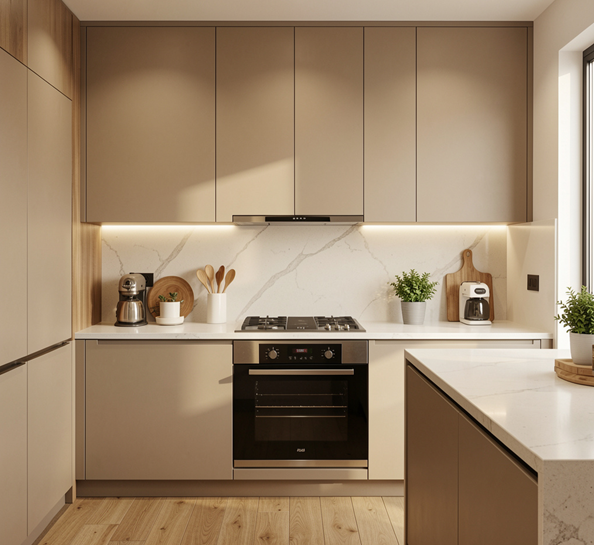
Interior renovation is more than aesthetic enhancement; it is a structured process that requires careful planning, precision, and foresight. Many homeowners and businesses underestimate the complexities involved, leading to costly errors, delays, or compromised results. Whether updating a modern apartment or redesigning a commercial space, interior renovation in Dubai demands attention to detail, material quality, and workflow management. Avoiding common pitfalls is essential to ensure your project achieves the desired balance of functionality, comfort, and style.
This guide outlines the key mistakes often encountered during renovation projects and provides actionable strategies to prevent them, helping you make informed decisions, streamline execution, and maximize investment value.
1. Inadequate Planning and Budgeting Can Derail Projects
A well-structured plan minimizes surprises, streamlines decision-making, and guarantees that the renovation process remains within budget and on schedule, protecting both financial and time investments.
- Neglecting a Detailed Budget: Underestimating costs or skipping a proper budgeting process can create financial hurdles mid-project. Without a clear budget, compromises on materials, labor, or design may become unavoidable. Establishing a detailed budget, including labor, materials, design fees, and contingencies, ensures smoother execution and reduces unexpected expenses.
- Overlooking Project Timeline: Unrealistic scheduling or ignoring task dependencies often causes renovation delays. Creating a clear timeline with milestones helps coordinate contractors, designers, and suppliers efficiently. A well-planned schedule minimizes downtime, avoids conflicts, and keeps the project on track from start to finish.
- Failing to Define Goals Clearly: Vague objectives can lead to a disjointed renovation that doesn’t fulfill functional or aesthetic requirements. Clearly defining goals, priorities, and expectations upfront ensures that every design choice supports your vision. This approach streamlines decision-making and results in a cohesive, purposeful space.
2. Choosing the Wrong Materials Compromises Quality
Careful material selection is a strategic decision in interior renovation in Dubai, ensuring that spaces are visually cohesive, functional, and long-lasting without frequent replacements or costly upkeep.
- Prioritizing Cost Over Durability: Opting for cheaper materials to cut costs often leads to premature wear, repairs, and replacement expenses. Choosing high-quality materials ensures longevity while maintaining aesthetic appeal. Balancing initial investment with long-term durability protects both the beauty and functionality of your space.
- Ignoring Maintenance Requirements: Some finishes, fabrics, or surfaces may look attractive but demand significant upkeep. Understanding maintenance requirements before selection helps prevent frustration and unnecessary costs over time. Prioritizing low-maintenance materials can enhance convenience while preserving design integrity.
- Overlooking Compatibility with Space Usage: Materials must align with the intended purpose of each space to ensure durability and practicality. High-traffic areas need resilient flooring, while moisture-prone zones require water-resistant surfaces. Misaligned choices can compromise functionality, safety, and the overall aesthetic of the renovation.
3. Poor Space Planning Leads to Inefficient Layouts
By prioritizing practical space planning alongside design aspirations, renovation projects achieve a functional, inviting environment that maximizes both comfort and usability.
- Ignoring Flow and Accessibility: Aesthetic choices alone cannot define a space; proper spatial planning is essential for usability. Consideration of movement, accessibility, and ergonomic principles ensures comfort and efficiency. Neglecting these factors can result in cramped, awkward layouts that disrupt daily activities and reduce functionality.
- Overcrowding with Furniture and Fixtures: Filling every corner with furniture or decorative items may look stylish, but it often compromises space efficiency. Thoughtful placement ensures balance, allows for smooth movement, and maximizes comfort. Properly arranged furniture enhances both the usability and the visual appeal of a room.
- Neglecting Lighting and Ventilation Needs: Lighting and ventilation are critical for creating a comfortable and inviting space. Poorly planned natural or artificial light can make rooms feel cramped, dull, or uncomfortable. Strategic placement of windows, vents, and fixtures improves air circulation and illumination while supporting the overall design aesthetic.
4. Lack of Professional Guidance Increases Risk
Leveraging professional insight enhances project quality, mitigates risk, and guarantees that renovation objectives are realized without unnecessary setbacks or complications.
- Skipping Expert Consultation: Many homeowners assume they can handle renovation projects independently, but professional guidance ensures informed and practical decisions. Experts in design, architecture, and project management bring experience in workflow optimization, material selection, and cost efficiency. Their input helps avoid costly mistakes and ensures a seamless, high-quality renovation outcome.
- Overlooking Regulatory Requirements: Renovation projects often require building permits, adherence to safety codes, and compliance with property-specific regulations. Ignoring these legal requirements can result in fines, delays, or forced redesigns. Professionals streamline approvals and ensure your project meets all regulations without unnecessary complications.
- Mismanaging Contractors and Teams: Coordinating multiple contractors without oversight can lead to errors, miscommunication, and project delays. A dedicated project manager maintains quality control, monitors progress, and facilitates clear communication among teams. Effective management ensures timelines are met, standards are maintained, and the renovation runs smoothly.
5. Underestimating the Importance of Design Cohesion
Maintaining cohesive design ensures every element, from furniture to finishes, works in harmony, producing an environment that is elegant, functional, and enduring.
- Mismatch Between Aesthetic and Functionality: Design choices must align with practical needs, ensuring spaces are both attractive and usable. Prioritizing style over function can create visually appealing areas that are inconvenient for daily use. Thoughtful planning balances beauty with purpose, making spaces efficient and enjoyable.
- Ignoring Color, Texture, and Theme Consistency: Inconsistent design elements, clashing colors, or poorly selected textures disrupt visual harmony. A coherent theme ties all components together, creating a sense of unity and flow. Careful attention to palettes, materials, and textures enhances the overall ambiance and elevates design impact.
- Neglecting Future Adaptability: Designs should anticipate lifestyle changes, family growth, or technology upgrades. Rigid spaces often require frequent renovations, adding unnecessary cost and effort. Flexible design planning ensures the area remains functional and stylish over time, protecting long-term investment.
Conclusion
Avoiding these common mistakes is essential for achieving successful, stress-free renovation outcomes. From meticulous planning and budgeting to professional guidance, thoughtful material selection, and cohesive design, each step influences the overall quality and longevity of your project. By recognizing potential pitfalls and implementing strategic solutions, property owners can elevate both functionality and aesthetic appeal in their spaces.
For those seeking reliable support in achieving seamless transformations, professional services offer expertise in every aspect of interior renovation in Dubai, ensuring projects are completed on time, within budget, and aligned with your vision. Invest wisely in your space today and experience the lasting impact of a thoughtfully executed renovation with Haifa Renov8.