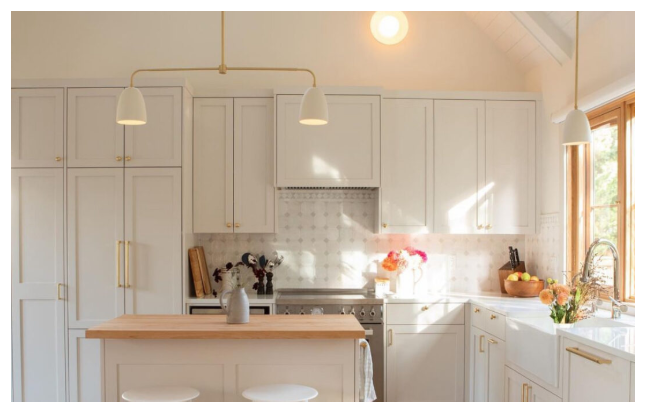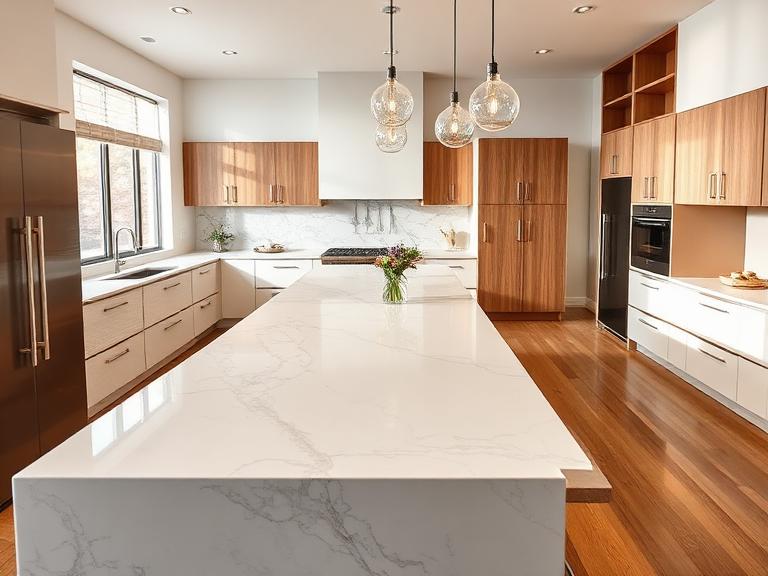
Are you dreaming of a kitchen that feels both luxurious and timeless? Have you been scrolling through home renovation accounts, falling in love with those stunning marble benchtops? Perhaps you’re wondering whether marble is actually practical for everyday Australian living, or if it’s just for show homes and magazine spreads?
You’re not alone. Marble kitchen benchtops have captured the hearts of homeowners across Australia for generations. There’s something undeniably special about this natural stone – the way light catches its surface, those unique veining patterns that make each slab one of a kind. But let’s be honest, investing in marble raises plenty of questions about cost, maintenance, and durability.
In this guide, we’ll walk you through everything you need to know before making your decision. From understanding the different marble varieties available in Australia to breaking down realistic costs and maintenance requirements, we’ve got you covered. Whether you’re renovating a family home or updating an investment property, you’ll find practical advice to help you decide if marble is the right choice for your kitchen.
Why Marble Remains a Timeless Choice for Australian Kitchens
Marble has graced kitchens and grand buildings for thousands of years, and its appeal shows no signs of fading. What makes it so enduringly popular? For starters, marble offers a natural elegance that manufactured materials simply can’t replicate. Each slab tells its own geological story through unique patterns and colour variations.
Australian homeowners particularly appreciate how marble complements various design styles. Whether your kitchen leans towards coastal contemporary, classic French provincial, or sleek modern minimalism, there’s a marble variety that fits perfectly. The stone’s cool surface also makes it ideal for our warmer climate – pastry chefs and keen bakers especially love working on marble.
What sets marble apart from other natural stone benchtops is its distinctive veining and softer appearance. Unlike granite’s speckled look or the uniform patterns of engineered stone, marble features flowing, organic patterns. It’s also slightly softer than granite, which contributes to both its beauty and its maintenance requirements.
Types of Marble for Kitchen Benchtops
Popular Marble Varieties Available in Australia
When shopping for marble benchtops, you’ll encounter several popular varieties. Statuario marble features dramatic, bold veining on a bright white background – it’s the statement-maker of the marble world. Emperador marble offers rich brown tones perfect for warmer colour schemes. Then there’s Nero Marquina, a striking black marble with white veining that creates instant drama.
Local suppliers also stock beautiful options from various global sources. Your fabricator can help you explore slabs in person, which is essential since photographs rarely capture marble’s true beauty.
Carrara vs Calacatta: Which Is Right for Your Kitchen?
These two Italian marbles dominate the Australian market, and people often confuse them. Carrara marble features softer, feathery grey veining on a grey-white background. It’s more readily available and typically more affordable. Calacatta, on the other hand, boasts bolder, more dramatic veining on a whiter base – and carries a premium price tag.
For busy family kitchens, Carrara often proves more practical. Its busier pattern helps disguise minor wear and etching better than Calacatta’s stark white background. However, if budget allows and you’re committed to careful maintenance, Calacatta delivers unmatched wow factor.
Understanding marble grades matters too. Premium grades feature fewer imperfections and more consistent colouring, while commercial grades may have more variation. Higher grades cost more but offer better structural integrity and visual appeal.
Also read: Mixing Brown Marble Countertops with Modern Accents
The Pros and Cons of Marble Benchtops
Advantages of Choosing Marble for Your Kitchen
Marble brings undeniable benefits to your kitchen. Its natural cooling properties make it perfect for food preparation. The stone adds significant value to your property – real estate agents consistently report that marble kitchens attract buyer attention. Plus, no two marble benchtops look identical, giving your kitchen genuine uniqueness.
The material also ages beautifully when properly maintained. Many homeowners appreciate how marble develops character over time, with slight patina adding warmth rather than detracting from its appearance.
Are Marble Benchtops High Maintenance?
Let’s address the elephant in the room: yes, marble requires more attention than some alternatives. It’s a porous stone that can absorb liquids and stain if spills aren’t wiped promptly. Acidic substances like lemon juice, wine, and tomato sauce can cause etching – dull spots on the polished surface.
However, “high maintenance” is relative. If you’re someone who naturally keeps a tidy kitchen and wipes spills quickly, marble won’t dramatically change your routine. Regular sealing (typically annually) provides protection, and many homeowners find the care requirements perfectly manageable.
Common concerns include worries about ruining expensive stone through everyday use. Realistic expectations help here: some etching and wear will occur over time. If you need a pristine, worry-free surface, marble might not suit you. But if you can embrace a living surface that develops character, marble rewards you with lasting beauty.
Marble Benchtop Costs in Australia
How Much Do Marble Benchtops Cost Per Square Metre?
Marble benchtop prices in Australia typically range from $400 to $1,500 per square metre installed, depending on the variety and grade. Carrara generally sits at the lower end, while premium Calacatta can exceed $1,000 per square metre for the slab alone.
Several factors affect pricing. Slab thickness matters – 20mm costs less than 30mm. Edge profiles add to the total, with simple pencil edges being most economical and elaborate ogee profiles costing more. The complexity of your kitchen layout, including cutouts for sinks and cooktops, also influences final pricing.
Is Marble More Expensive Than Granite or Engineered Stone?
Marble typically costs more than standard granite but comparable to premium granite varieties. Engineered stone (like Caesarstone or Essastone) often falls in a similar price range to mid-tier marble, though top-end marble exceeds most engineered options.
When budgeting, account for the complete project cost including templating, fabrication, and installation. Get multiple quotes from reputable fabricators, and always view actual slabs rather than relying on samples alone.
Durability and Longevity
How long do marble benchtops last? With proper care, marble benchtops can serve your kitchen beautifully for decades – even generations. Historic buildings showcase marble surfaces hundreds of years old, proving the material’s staying power.
Do marble benchtops scratch or chip easily? Marble is softer than granite, making it more susceptible to scratching from sharp objects. Using cutting boards consistently prevents most damage. Chips typically occur at edges from impact, so careful handling during installation and daily use matters.
Regarding heat resistance, marble handles moderate heat reasonably well but isn’t impervious to thermal shock. Always use trivets for hot pots and pans to prevent potential cracking or discolouration.
Maintenance and Care Requirements
How Do You Maintain Marble Kitchen Benchtops?
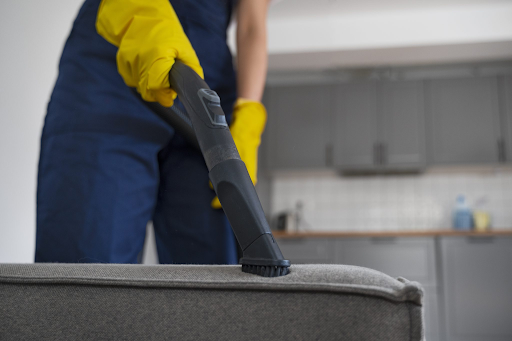
Daily care involves wiping surfaces with a soft cloth and pH-neutral cleaner. Avoid acidic or abrasive cleaning products – they’ll damage the surface. Simple warm water with mild dish soap works brilliantly for routine cleaning.
Sealing your marble benchtop creates a protective barrier against staining. Most professionals recommend sealing every 6-12 months, though frequency depends on usage levels. Quality sealers are readily available, and application takes just an hour or two.
Dealing with stains requires prompt action. Blot spills immediately rather than wiping, which can spread the liquid. For existing stains, poultice treatments can draw out discolouration. Etching is trickier – professional polishing may be needed for significant marks, though minor etching often blends into the stone’s character over time.
Marble Benchtops and Australian Lifestyles
Is marble suitable for busy family kitchens? Honestly, it depends on your household. Families who maintain careful habits find marble works wonderfully. Those with young children constantly spilling juice or teenagers leaving acidic drinks sitting might prefer lower-maintenance alternatives.
For rental properties and investment homes, marble adds appeal but consider tenant behaviour. Some landlords opt for engineered stone in rentals while reserving marble for owner-occupied properties where they control the care regime.
Installation Process and What to Expect
Choosing the right fabricator and installer makes an enormous difference. Look for experienced professionals with strong portfolios and positive reviews. Visit their workshop if possible to see their craftsmanship firsthand.
Installation typically takes 2-3 weeks from templating to completion. Your fabricator will create precise templates of your kitchen, then cut and polish the marble accordingly. Preparation includes ensuring cabinetry is level and ready to support the stone’s considerable weight.
Edge profiles and finish options let you personalise your benchtop. Popular choices include eased edges for modern looks and bullnose profiles for traditional kitchens. Finish options range from high-gloss polished to softer honed surfaces – honed actually shows scratches and etching less noticeably.
Comparing Marble to Alternative Benchtop Materials
Marble vs quartz benchtops often comes down to lifestyle priorities. Quartz offers superior stain resistance and requires no sealing, making it genuinely low-maintenance. However, it lacks marble’s natural beauty and cool surface temperature.
Marble vs porcelain and other engineered options presents similar trade-offs. Porcelain benchtops resist scratching and staining excellently but can chip at edges. They’re also manufactured rather than natural, which matters to some homeowners.
Making the right choice involves honestly assessing your priorities. If natural beauty and uniqueness top your list, marble delivers. If worry-free practicality matters most, alternatives might serve you better.
Final Thoughts: Is Marble Right for Your Kitchen?
Final Thoughts: Is Marble Right for Your Kitchen?
So, where does this leave you? Marble kitchen benchtops offer something genuinely special – natural beauty, timeless appeal, and a surface that feels luxurious every time you use it. They add value to your home and create kitchens that genuinely stand out.
However, they’re not for everyone. If the idea of sealing, careful cleaning, and accepting some patina over time sounds stressful rather than manageable, another material might suit you better. There’s no shame in choosing practicality – your kitchen should work for your lifestyle.
For those willing to embrace marble’s quirks, the rewards are considerable. That moment when morning light catches your benchtop’s veining, or when guests genuinely pause to admire your kitchen – these experiences make the extra care worthwhile. Chat with local fabricators, view some slabs in person, and trust your instincts. Your perfect kitchen awaits.