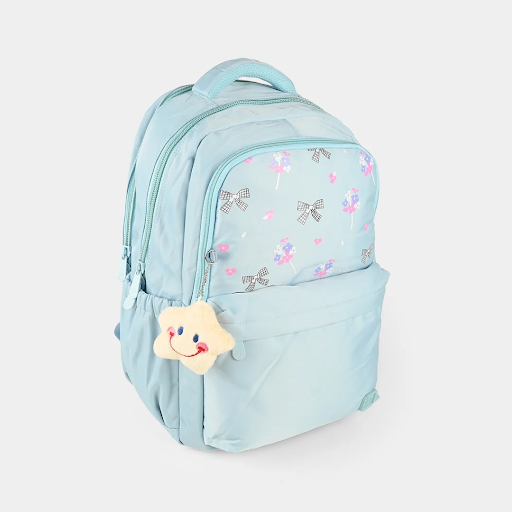
Kids’ backpacks tend to take a number of things with them on a daily basis, including books, notebooks, lunch boxes, water bottles and more. Hanging low, feeling heavy or not sitting properly on one shoulder can exert additional pressure on shoulders, neck and back. Weight distribution can be improved simply and making Backpacks for kids easier to carry. Knowing where to place straps, position backpacks, weight limits and how to pack daily can lead to a safer and more comfortable routine for school-aged children.
Choose the Correct Backpack Size
The backpack should be the correct size for the child and not just sized to give the maximum storage capacity. If the bag is too big, it can lead to an excess of items and can dangle below the lower back. Generally, children’s backpacks should be close to their body and in proportion to their height and body size.
A good backpack will have a padded back, comfortable shoulder straps and sufficient pockets to store school supplies. Several compartments can also be used for distributing items rather than having everything in one compartment.
Even the Two Shoulder Straps
The shoulder straps should both be about the same length. The backpack should fit along the upper and middle back, not pulling the shoulders back or putting pressure on the back.
The right amount of adjustment will allow for the backpack to be close to the body but still allow for natural arm movement.
When Available, Use the Chest Strap
There are some backpacks offered for children that come with a chest or sternum strap. This small strap is used to connect the two shoulder straps across the chest, and increases stability.
Check Waist or Hip Strap
The backpacks might be bigger and feature a waist strap or hip strap to share the load. The strap can be used to redistribute some of the weight from the shoulders to the hips when used correctly.
The strap must be worn comfortably and should not be too snug. A waist strap is not always needed for smaller school backpacks, but can be helpful for larger backpacks designed to carry heavier loads.
Keep the Backpack Lightweight
There is no way to fix the overload issue using a device to adjust the bag. The rule of thumb is to have the pack about 10% to 15% of the child’s body weight (as per professional recommendations and individual needs).
Regularly check the bags weekly and get rid of any old papers, extra books, toys, empty containers, etc. that are no longer needed.
Fill Heavy Items Next to the Back of the Backpack
Comfort is also influenced by the items in the backpack; the backpack can be either too heavy or too light. Heavy books, folders or other dense items should be placed in the compartment closest to the back. For lighter objects, there are outer pockets.
This will help to keep the center of weight more in line with the body and minimize the ‘pulling’ effect from heavy loads being placed a distance from the back. Smaller compartments can also keep supplies from moving about when walking.
Always Wear Both Shoulder Straps
Shoulder straps should be worn both ways to carry a backpack, not on one shoulder. Wearing it with a single strap may result in an imbalance in body tensions and may promote leaning to one side.
Be Sure to Check the Fit Before Leaving the School
The fit check can be performed daily in just a few seconds. The backpack should be snugly against the back, both straps of the backpack should be tight, and the bottom of the backpack should not be dragged too far down.
If pain persists or is severe, it should not be considered a backpack issue. If you feel that you have another problem, you can see a health care service provider to find out if you need treatment for something else.
Create Healthy Backpack Habits
Checking backpacks is a school routine, and good habits are easier to establish. Items can be arranged in the backpack following the school timetable, unneeded items can be taken out frequently, and straps can be checked when the backpack is packed.
However, adjustment is best complemented by good posture, frequent movement and proper lifting techniques. A backpack is just a small component of the many factors that contribute to comfortable daily school activities.