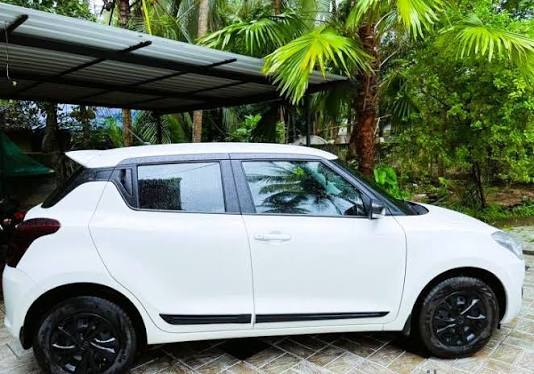
When it comes to buying a car in India, one of the first considerations for most consumers is safety. With the growing emphasis on road safety, understanding the safety features and crash test ratings of your vehicle can be a crucial decision-making factor. The Maruti Suzuki Swift is a popular hatchback known for its affordability and fuel efficiency, but how does it measure up in terms of safety? In this blog, we’ll explore the safety features and crash test ratings of the Swift while also considering the swift price in the ever-competitive Indian automotive market.
Price Point: Value Meets Affordability
Before diving into safety, let’s touch upon the price. The Maruti Suzuki Swift has always been positioned as an affordable yet feature-rich vehicle. With its price ranging between ₹5.99 lakhs and ₹8.99 lakhs, it provides excellent value for money. This pricing allows a wide array of customers to own a compact car without burning a hole in their wallets.
Safety Features: Built for Protection
When assessing the safety of the Maruti Suzuki Swift, several features stand out.
1. Dual Airbags
All variants of the Maruti Suzuki Swift come equipped with dual front airbags, providing crucial protection in the event of a collision. This feature is an absolute must-have, especially for urban driving, where rapid changes in traffic conditions can increase the likelihood of accidents.
2. Anti-lock Braking System (ABS)
The Swift comes standard with ABS and Electronic Brakeforce Distribution (EBD). This technology helps prevent wheel lock-up during sudden braking, which can significantly reduce stop distances and help maintain steering control.
3. Rear Parking Sensors
Navigating tight spots can often lead to scrapes and bumps. The Swift addresses this concern with rear parking sensors that provide audio and visual warnings when you’re close to an object, making parking safer and easier.
4. Pedestrian Protection
Maruti Suzuki has invested significantly in ensuring that its vehicles not only protect the occupants but also take into account pedestrian safety. The Swift features crumple zones designed to absorb the energy from impacts, thereby reducing the severity of injuries to pedestrians.
5. High-Strength Body Structure
The Swift is built on a high-strength steel platform designed to enhance safety during collisions. This body structure is designed to absorb impact forces effectively, adding an extra layer of protection for passengers.
6. ISOFIX Child Seat Anchors
For families needing to transport children, the inclusion of ISOFIX child seat anchors allows for the safe installation of child seats. This feature verifies that passengers of all ages can be secured safely during travel.
Crash Test Ratings: A Mark of Confidence
While safety features are critical, crash test ratings serve as an objective metric to evaluate vehicle safety. The Global NCAP (New Car Assessment Program) provides test ratings for vehicles based on their performance in crash simulations.
Swift Safety Ratings
The swift safety ratings has been put to the test, and it has performed admirably, earning a commendable 4-star rating in the Global NCAP crash tests. This rating signifies that the Swift has demonstrated solid structural integrity and occupant protection during crash simulations.
- Adult Occupant Protection: Scoring 29.89 out of 34 points, the Swift has shown a strong capability to protect adults seated in the front. Its well-structured cabin space allows for minimal intrusion during impacts, thus protecting passengers effectively.
- Child Occupant Protection: Scoring 37.93 out of 49 points, the Swift’s commitment to child passenger safety is evident. The vehicle’s child safety measures ensure that even the youngest passengers are comprehensively safeguarded.
This 4-star rating is a testament to Maruti Suzuki’s evolving approach to car manufacturing, focusing not only on comfort and economy but also on the safety of its users.
Challenges Ahead
Despite these impressive features and ratings, some challenges remain. The Swift’s safety ratings, though commendable in the Indian context, may still fall short when benchmarked against vehicles offered in other markets. It’s vital to consider the continuing advancements in automotive safety technology and regulations globally and how they may influence future models.
Enhancing User Experience
The focus on safety transcends just mechanics and features – it also involves how these technologies enhance the user experience. Swift’s infotainment system, which includes a touchscreen interface and connectivity options, adds convenience, allowing drivers to respond to calls or access navigation tools without diverting too much attention from the road. Thus, the synthesis of technology and safety becomes paramount.
Conclusion: A Balanced Choice
The Maruti Suzuki Swift stands out as not only an economical option in the compact car segment but also as a vehicle equipped with various safety features and positive crash test ratings. Its dual airbags, ABS, and child protection measures make it a formidable contender in terms of safety, especially considering the price point.
For anyone in the market for a new vehicle, particularly in vibrant urban settings, understanding the importance of safety cannot be overstated. With the Swift’s competitive pricing and strong safety credentials, it represents a balanced choice for first-time car buyers and families alike.
As the automotive industry continues to evolve, safety will remain a primary concern. Brands like Maruti Suzuki must remain vigilant, adapting to new technologies and regulations to ensure the safety of all passengers. So, if you’re considering a new hatchback, the Swift could just be the right fit for you, marrying affordability with essential safety features.
By ensuring that you consider aspects such as the swift price, safety ratings, and available features, you will be equipped to make a fully informed decision. The journey towards finding the right vehicle can be daunting, but understanding safety and pricing for something like the Maruti Suzuki Swift helps streamline that process.