A building’s surfaces do more than define its appearance; they influence how a space feels, performs, and functions over time. As architects and designers seek materials that combine visual appeal with practical performance, High Pressure Laminate (HPL) has emerged as a versatile option for furniture, wall surfaces, commercial interiors, and exterior façades. Virgo HPL offers surface solutions that combine decorative appeal, durability, and application flexibility, making it suitable for projects where design and performance need to work together.
Understanding the Role of HPL Materials in Architecture
High Pressure Laminate is an engineered surface material produced by pressing layers of kraft paper, decorative paper, and resin under high pressure and temperature. This manufacturing process creates a dense and durable surface that can be used over suitable substrates for different architectural and interior applications. Its versatility allows designers to explore a broad selection of colours, patterns, textures, and finishes while maintaining a practical surface.
In architecture, material selection often requires consideration of appearance, maintenance, durability, and suitability for the intended environment. HPL addresses several of these requirements through its combination of decorative flexibility and functional characteristics. This makes it suitable for residential interiors, offices, hospitality spaces, retail environments, institutional projects, and other areas where surfaces experience regular use.
Design Flexibility Across Modern Spaces
One of the key strengths of HPL is its versatility across different design styles and materials. It can complement wood, stone, metal, glass, and concrete while offering varied colours, textures, patterns, and finishes. This flexibility allows architects to create minimalist, sophisticated, natural, or contemporary spaces. Virgo HPL provides surface options that can support diverse applications while maintaining a cohesive visual identity throughout a project.
-
Furniture and Cabinetry Applications
HPL is widely used for furniture, cabinets, wardrobes, storage units, tables, and other interior elements. Its decorative surface can provide furniture with a refined appearance while offering a practical finish for everyday use. This makes it particularly valuable in offices, kitchens, educational environments, hospitality settings, and residential interiors.
-
Wall and Vertical Surfaces
Walls can become important visual features within an interior, particularly in commercial and hospitality spaces. HPL can be used on suitable wall systems to introduce textures, colours, patterns, or wood-inspired finishes. It can help create feature walls, reception backgrounds, partitions, and other vertical surfaces that contribute to the overall character of an environment.
-
Commercial Interiors
Commercial spaces need surfaces that can support both brand expression and regular activity. Offices, retail stores, restaurants, and hospitality environments often require materials that look polished while remaining practical. Businesses can incorporate HPL into counters, partitions, furniture, wall elements, and other interior components to create coordinated spaces.
-
Exterior Architectural Applications
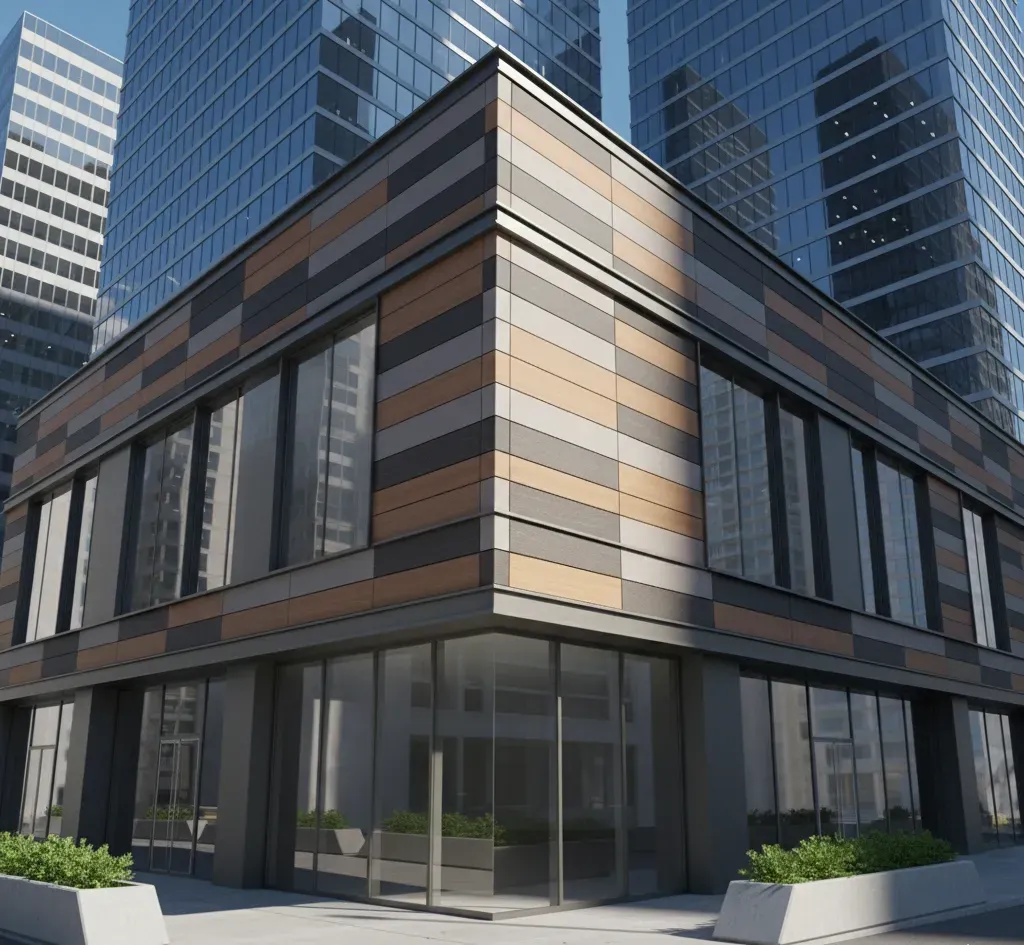
Specialised HPL solutions can extend beyond interiors. Exterior-grade surfaces can contribute to contemporary façades and architectural cladding systems where appearance and environmental performance are important considerations. Designers can use different finishes to create visually distinctive building envelopes while selecting materials appropriate for exterior conditions.
-
High-Traffic Environments
Educational institutions, healthcare facilities, transportation areas, and public buildings experience frequent movement and surface contact. In such settings, material selection needs to consider durability and ease of maintenance alongside aesthetics. HPL can be used in appropriate applications to provide practical surfaces that support demanding environments.
Performance Characteristics That Support Architectural Applications
The appeal of HPL extends beyond its decorative possibilities. Its engineered construction gives it characteristics that can support long-term use in a variety of applications. Depending on the specific product and application, HPL can resist everyday wear, impact, moisture, heat, and staining. These properties make it useful where surfaces must maintain their appearance under regular use.
Maintenance is another important consideration in architectural projects. Surfaces that are straightforward to clean can help simplify routine upkeep, particularly in commercial and institutional environments. However, product specifications and installation requirements should always be selected based on the intended application. Choosing the right grade, thickness, substrate, and installation system is essential for achieving the expected performance.
Supporting Sustainable and Responsible Design
Sustainable architecture involves making thoughtful material choices that consider durability, responsible sourcing, manufacturing practices, and long-term usability. HPL can support this approach by offering durable surface solutions designed for varied applications. When selecting materials, architects can consider:
- Responsible sourcing and manufacturing practices
- Long-term surface durability
- Material efficiency and usability
- Maintenance and replacement requirements
- Environmental considerations
Virgo focuses on responsible manufacturing and sustainability across its surface solutions, with attention to responsible sourcing, forest stewardship, and resource-conscious practices. These efforts make its products relevant for projects where performance and responsible material selection are both important.
Creating Cohesive Architectural Interiors
HPL’s real strength lies in how easily it can become part of a larger design strategy. Rather than treating surfaces as isolated elements, architects can coordinate finishes across furniture, walls, partitions, doors, counters, and other features. Consistency in colour, texture, and finish can create a more unified visual experience, while carefully selected contrasts can establish focal points and hierarchy.
Virgo HPL can support this approach by offering surface options suited to varied design requirements. Whether the goal is a warm wood-inspired interior, a refined neutral palette, or a bold contemporary statement, the right HPL finish can help translate the design concept into practical architectural surfaces.
Conclusion
HPL materials have become versatile architectural surfaces that combine design flexibility, durability, and practical performance. Their applications across furniture, interiors, commercial environments, and specialised exterior solutions make them valuable for projects with varied functional and aesthetic requirements. Selecting the right product and application is essential to achieve dependable results.
As a trusted high-pressure laminate supplier, Virgo Laminates offers a broad approach to architectural surface solutions, combining design possibilities with performance-focused products and an emphasis on responsible manufacturing. Through its HPL portfolio and wider surface offerings, Virgo Laminates supports architects, designers, and project professionals in creating contemporary spaces that are visually distinctive, functional, and designed for lasting value.