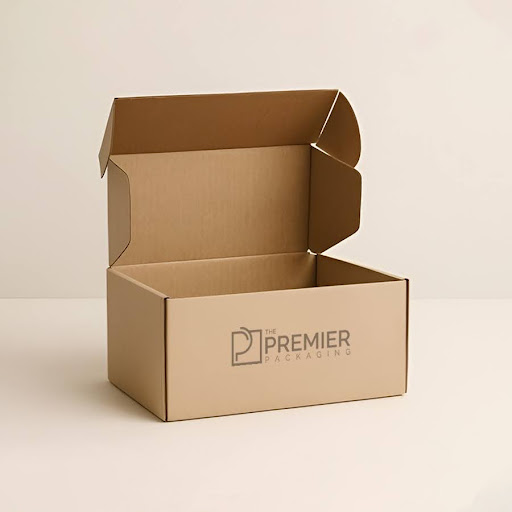
Somewhere between packing a product and shipping it out, a lot of small businesses stop paying attention. The product got the careful treatment good photos, thoughtful branding, maybe months of testing. Then it goes into whatever box was cheapest at checkout, and nobody thinks about it again until a customer posts a photo of a crushed corner online.
That gap matters more than people expect. The mailer box is the last thing a brand controls before a product reaches someone’s hands, and for a lot of customers, it’s also the first physical interaction they have with the brand at all. Getting it wrong undoes work done everywhere else.
The Box Is Part of the Product, Whether You Planned It That Way or Not
Unboxing has become its own kind of marketing moment, and not just for big brands with polished social media budgets. Small business owners have learned the same lesson the hard way — a customer who receives a flimsy, dented box assumes the product inside matches that impression, even before they’ve opened it. A sturdy, well-printed mailer box does the opposite. It signals that someone cared about the whole experience, not just the sale.
This isn’t just a feeling, either. Returns and complaints tied to damaged shipping are a real cost, and packaging is usually the actual point of failure, not the product itself.
Protection Is the Job the Box Actually Has to Do
Before branding, before design, a mailer box has one core responsibility: get the product there in one piece. Shipping is rough on packaging in ways that aren’t always obvious from a warehouse. Boxes get stacked, dropped, tossed onto delivery trucks, and left in weather they were never designed for.
A few things separate a box that survives that trip from one that doesn’t:
- Board weight and flute strength — thin, single-wall board might hold up fine sitting on a shelf but can crush under stacking weight during transit.
- Proper sizing — a box that’s too big lets products shift and collide inside during handling; one that’s too small puts stress on the seams.
- Closure design — tuck-flap or adhesive-strip closures that hold securely matter more than they seem to, especially for boxes handled by multiple people before reaching a doorstep.
None of this is glamorous, but it’s the difference between a five-star unboxing video and a refund request.
Where Cheap Packaging Actually Costs More
It’s tempting to cut costs here, especially for small businesses watching every dollar per unit. Cheap mailer boxes look like an easy way to save money upfront, and sometimes they are for low-value, low-risk items that can survive a rough trip anyway. But for anything fragile, anything priced above a few dollars, or anything a customer is likely to photograph and post, thin packaging tends to cost more in the long run through damage claims, replacement shipping, and the kind of one-star reviews that mention “arrived crushed” more than they mention the product itself.
The smarter version of cost-cutting isn’t picking the thinnest board available it’s right-sizing the box, simplifying the print run, and saving the fancier finishes (foil, spot gloss, custom inserts) for higher-margin products where that spend pays for itself.
Branding Space That Doesn’t Exist Anywhere Else
A mailer box is one of the few pieces of packaging a customer spends real time looking at while it’s sitting on a porch, being carried inside, and opened at a table rather than glanced at on a store shelf for two seconds. That’s a rare amount of undivided attention for a brand to get, and a plain brown box wastes it entirely.
Printed interiors, in particular, have become a low-cost way to make a big impression. A plain exterior with a bold pattern or message printed inside the lid costs relatively little extra but creates a small moment of surprise when the box is opened, which is exactly the kind of detail that ends up photographed and shared.
Matching the Box to the Business
Not every product needs premium mailer packaging. A $15 accessory doesn’t need the same box as a $150 skincare set, and trying to match packaging spend across an entire catalog usually wastes money on the cheap end and under delivers on the expensive end.
A reasonable approach most growing brands land on eventually:
- Use simple, sturdy, single-color boxes for lower-cost or high-volume items where margin is tight.
- Reserve full-color, branded mailer boxes for signature products, gifts, or anything likely to be shared online.
- Always prioritize board strength over decoration for anything fragile, regardless of price point.
Final Thoughts
Mailer boxes rarely get the attention they deserve until something goes wrong a crushed corner, a bad review, a customer who never orders again after one bad delivery experience. Quality packaging isn’t about spending the most money possible on every box that leaves a warehouse. It’s about matching the box to what’s actually inside, protecting it properly, and using the little bit of branding space a mailer box offers before it ends up flattened in a recycling bin. That balance, more than any single design choice, is what actually keeps customers coming back.