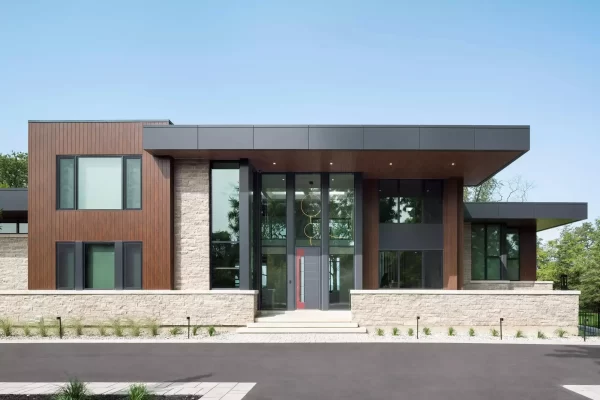
When it comes to comparing cladding materials, most people start with looks. Clean lines, modern finishes, and a building that photographs well. But appearance is only the surface of what you’re actually paying for. The real question is what happens to that exterior five, ten, twenty years down the line, and whether it still performs the way it did on day one.
Aluminum cladding earns its reputation because of what it does after installation, not just how it looks when the project first wraps up.
So, what are you really getting when you choose aluminum cladding? Beyond the finish and first impression, there are a few practical benefits worth looking at.
Benefits You’re Getting With Aluminum Cladding
Performance that doesn’t fade with the seasons
Exterior materials face a lot: sun exposure, rain, temperature swings, and in some regions, salt air or heavy wind. Aluminum handles this without warping, cracking, or losing structural integrity the way some materials do after a few harsh seasons. It naturally forms a protective oxide layer, which means it resists corrosion on its own rather than relying entirely on coatings.
This matters most in climates that swing between extremes. A building envelope that holds its shape and finishes through freeze-thaw cycles saves you from the kind of gradual deterioration that’s easy to miss until it becomes expensive.
Low maintenance, but not zero attention
One of the biggest advantages of aluminum cladding is how little it demands once it’s installed. You don’t have to look for frequent repainting, sealing, or patching, as occasional cleaning is usually enough to keep the finish looking good over time. However, low maintenance doesn’t mean no maintenance. The panels can still collect grime near ground level or in high-pollution areas, and fasteners or joints should be checked from time to time to make sure everything is secure. Just the difference is that these are minor tasks, not the kind of ongoing upkeep that eats into a facilities budget year after year.
Design flexibility that lets you create the look you want
Architects and builders often assume durable materials come with limited design options. But that’s not the case with aluminum. It comes in a wide range of finishes, from matte and brushed textures to bold colour coatings. On top of that, it can be formed into different panel profiles, including flat sheets, ribbed designs, and perforated patterns.
This flexibility means you can pursue a specific architectural vision, whether that’s a sleek commercial front or a more textured residential exterior, without giving up the performance side of the equation. You get to choose the look you want, and the material handles the rest.
A sustainable choice for building exteriors
Since aluminum is one of the most recyclable materials used in construction, cladding made from it can be recycled repeatedly without losing quality. This is a meaningful factor for projects that want to reduce long-term environmental impact or work toward sustainability. Aluminum cladding systems also contribute to a building’s thermal performance when properly installed with the right insulation. And that can help the building stay warmer in winter and cooler in summer
Installation Options
Aluminum cladding systems can be installed in different directions and with different design approaches. That means your project team has more flexibility when installing the cladding around windows, doors, corners and other parts of the building. Panel dimensions are another detail that makes a difference. Large-format aluminum boards can create longer & cleaner visual lines across a facade and may also reduce the number of visible joins. However, they need to be planned and handled correctly when installing.
Fire Performance That Matters, Too
Aluminum is non-combustible, but that does not mean an entire wall assembly is automatically fireproof. The complete assembly includes other materials, components and installation details that all need to meet applicable building requirements. Still, the materials’ non-combustible nature is an important characteristic to consider when you’re comparing exterior cladding options.
Long-Term Value Beyond the Initial Investment
Aluminum cladding can cost more upfront than some traditional materials, and that’s worth acknowledging rather than glossing over. But the comparison changes once you factor in what happens after installation. Materials that need frequent repainting, sealing, or replacement panels add up over years, even if each individual repair seems small on its own.
Aluminum’s resistance to corrosion, fading, and structural wear means you’re not budgeting for those repeat costs. For property owners and developers planning for a building’s full lifespan rather than just the opening year, that shift in spending, from ongoing upkeep to a stronger initial system, tends to work in aluminum’s favour.
Why the Installer Matters as Much as the Material
Even the best aluminum panels won’t perform as expected if they’re installed poorly. Panel thickness and coating quality set the baseline, but precision during fabrication and installation determines whether the system holds up in practice. Misaligned panels, gaps at the joints, or rushed sealing work can lead to water infiltration or movement over time, regardless of how strong the material itself is.
If you’re evaluating a supplier or contractor, ask specific questions:
- How do they handle panel alignment around corners and openings?
- What’s their process for checking seals after installation?
These details are harder to spot on a finished building, but they’re the ones that decide whether your cladding performs for decades or starts showing problems within a few years.
Choosing With the Long Run in Mind
Aluminum cladding is more than the looks you choose. It’s a decision that affects how your building handles weather, how much maintenance it demands, and how it holds up structurally over time. When the material, fabrication, and installation are all handled with care, the result is an exterior that keeps performing well long after the initial appeal fades. What you’re left with is something more practical: a building that simply works, year after year.


