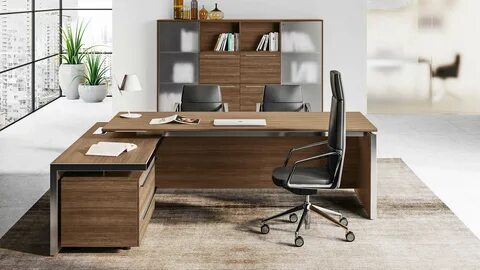
In today’s fast-paced business environment, office furniture plays a pivotal role in shaping both the functionality and aesthetics of workspaces. Gone are the days when offices relied solely on standard desks and chairs; modern offices demand furniture that balances style, comfort, and efficiency. The right furniture fosters productivity, encourages collaboration, and supports the well-being of employees. From ergonomic chairs to adaptable workstations, every piece of office furniture contributes to creating a professional, organized, and inspiring environment. As organizations continue to recognize the connection between workspace design and employee performance, investing in quality furniture has become a strategic priority.
The Importance Of Ergonomics In Office Furniture
Ergonomics has become a cornerstone of modern office furniture design. With employees spending long hours at their desks, poorly designed furniture can lead to discomfort, fatigue, and even long-term health issues. Ergonomically designed chairs, desks, and workstations help maintain proper posture, reduce strain, and enhance overall comfort. Adjustable height desks and chairs allow employees to customize their work environment according to their physical needs. When ergonomics is prioritized, employees can focus better, work longer without discomfort, and experience higher satisfaction, ultimately improving overall productivity and morale within the office.
Office Furniture And The Role Of Aesthetics
Beyond functionality, office furniture significantly impacts the visual appeal and atmosphere of a workspace. A well-coordinated office setup can reflect a company’s brand identity, professionalism, and values. Modern designs often feature sleek lines, minimalistic finishes, and neutral or vibrant color palettes to complement office interiors. Materials such as glass, polished wood, and metal not only enhance durability but also add elegance to the environment. The arrangement of furniture further influences the perception of space, making offices appear more open, organized, and welcoming. By combining aesthetics with practicality, businesses can create environments that impress clients and boost employee satisfaction.
The Versatility Of Modern Office Furniture
Modern office furniture is designed with versatility in mind, catering to different workspace needs. Modular furniture systems allow offices to adapt quickly to changing requirements, whether for collaborative projects, private work, or meetings. Adjustable desks, foldable tables, and mobile workstations offer flexibility, enabling employees to reconfigure their areas based on tasks. Storage solutions like cabinets, shelves, and filing units keep essential items organized and accessible, reducing clutter and improving workflow. Versatility in office furniture ensures that spaces remain functional, efficient, and adaptable, accommodating growth and evolving work habits.
Sustainable Choices In Office Furniture
Sustainability has become an important consideration in modern office design, and office furniture is no exception. Many manufacturers now prioritize eco-friendly materials, such as recycled wood, steel, and non-toxic finishes, to reduce environmental impact. Sustainable furniture not only benefits the planet but also communicates a company’s commitment to social responsibility. Additionally, durable and well-crafted furniture reduces the need for frequent replacements, saving costs and resources in the long term. By choosing sustainable options, businesses create healthier work environments and contribute positively to global environmental efforts.
Enhancing Collaboration With Functional Office Furniture
Collaboration is a key aspect of today’s work culture, and office furniture plays a critical role in facilitating teamwork. Conference tables, collaborative workstations, and shared seating areas are designed to encourage interaction, brainstorming, and creative problem-solving. Open layouts combined with functional furniture create spaces where employees can easily communicate and exchange ideas. By integrating collaborative zones with individual workstations, offices achieve a balance between teamwork and focused productivity, promoting innovation and efficiency across the organization.
The Impact Of Technology On Office Furniture
Technology has transformed the design and functionality of office furniture. Modern offices often require integrated solutions such as desks with built-in cable management, charging ports, and docking stations. Smart furniture options allow employees to maintain organized workspaces while staying connected to devices and digital tools. Conference tables with power outlets, multimedia setups, and ergonomic seating improve meetings and presentations. By merging technology with furniture design, offices can optimize efficiency, reduce clutter, and support the dynamic demands of a digital work environment.
Space Optimization Through Thoughtful Office Furniture
Effective use of space is a major advantage of carefully selected office furniture. Compact desks, stackable chairs, and modular storage units help maximize limited office areas without compromising comfort or functionality. By strategically planning furniture layouts, offices can create distinct zones for collaboration, focus, and relaxation. Proper space utilization not only enhances workflow but also improves safety and accessibility. Furniture that fits seamlessly within a space ensures that offices remain organized, efficient, and visually appealing, regardless of size constraints.
Investing In Quality Office Furniture
Investing in high-quality office furniture is an investment in employee satisfaction, productivity, and the long-term success of the organization. Durable furniture withstands daily use, reduces maintenance costs, and provides lasting value. Comfortable and thoughtfully designed pieces contribute to overall well-being, reducing fatigue and improving focus. Stylish furniture enhances the office environment, leaving a positive impression on clients, partners, and visitors. Companies that prioritize quality furniture demonstrate their commitment to creating professional, functional, and inspiring workspaces for their employees.
Future Trends In Office Furniture Design
The future of office furniture revolves around flexibility, sustainability, and smart integration. As remote and hybrid work models gain popularity, offices will require adaptable furniture that accommodates both in-office and virtual collaboration. Modular and mobile pieces will continue to dominate, offering maximum flexibility for dynamic workplaces. Eco-conscious designs and sustainable materials will remain essential, reflecting broader environmental awareness. Technology integration, such as smart desks and connectivity-enabled furniture, will further enhance productivity and workplace convenience. By staying ahead of trends, organizations can create future-ready spaces that foster creativity, engagement, and efficiency.
Conclusion
Office furniture has evolved into a strategic asset that shapes workplace efficiency, comfort, and aesthetics. From ergonomic workstations to collaborative zones and sustainable designs, every piece contributes to a productive and inspiring environment. Businesses that invest in functional, stylish, and durable furniture not only enhance employee well-being but also project professionalism and innovation. For organizations seeking premium-quality solutions that blend design, comfort, and functionality, office furniture offers exceptional products to transform any workspace into a hub of productivity and creativity.