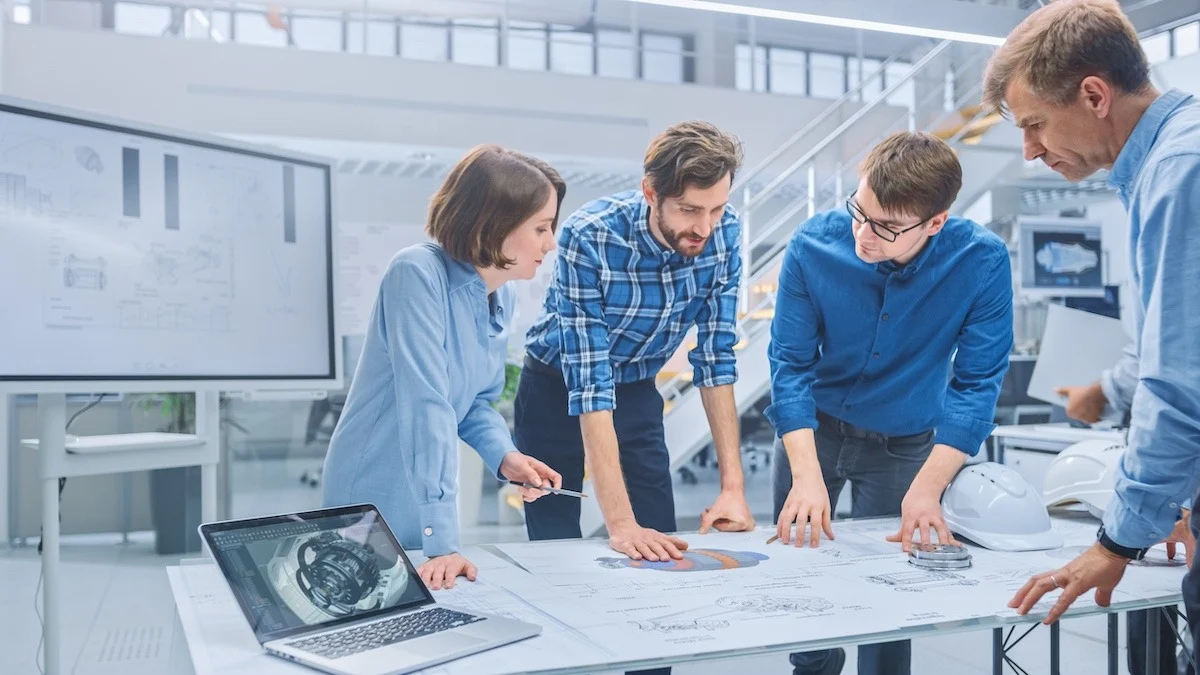
Infrastructure is often measured by its size, strength, and visual presence. However, the factors that determine its long-term success are often hidden within the design decisions made before development begins. From transportation systems and industrial facilities to smart equipment and public environments, every element must balance performance, usability, safety, and sustainability.
A product design company helps transform complex ideas into practical solutions by combining creativity, engineering principles, and user-focused thinking. In modern infrastructure development, industrial design is no longer limited to improving appearance. It influences how systems function, how efficiently they operate, and how effectively they adapt to future demands.
As cities expand and industries become more technology-driven, infrastructure needs to do more than serve current requirements. It must support changing behaviours, reduce environmental impact, and deliver reliable performance over decades. This is where industrial design becomes a strategic advantage.
Industrial Design Goes Beyond Visual Appeal
Many people associate design with aesthetics, but industrial design focuses on creating solutions that work better. It connects technical requirements with human needs to improve the overall experience of using a product, system, or environment.
Modern infrastructure depends on design decisions that affect:
- Operational efficiency: Well-planned systems reduce complexity and improve productivity.
- User interaction: Intuitive designs help people operate equipment and facilities more effectively.
- Safety improvement: Design thinking identifies risks and creates safer working conditions.
- Long-term performance: Durable solutions reduce maintenance challenges and extend usability.
How Design Improves Infrastructure Functionality
Infrastructure projects involve multiple moving parts. Equipment, materials, technology, and human interaction must work together seamlessly. Industrial design creates a connection between these elements by focusing on practical performance.
For example, industrial equipment used in manufacturing environments must allow operators to work efficiently while reducing errors. Public infrastructure must consider accessibility, movement patterns, and ease of use. Transportation systems must support large numbers of users while maintaining safety and convenience.
Effective industrial design helps answer important questions:
- How will people interact with the system?
- How can maintenance become easier?
- How can unnecessary processes be removed?
- How can performance improve without increasing complexity?
User Experience Is Shaping the Future of Infrastructure
Infrastructure is created for people, and user experience has become a major factor in modern design decisions. Even highly advanced systems can fail if they are difficult to understand or operate. Industrial design considers human behaviour, ensuring that solutions are accessible and efficient for different users.
Key elements of user-focused infrastructure design include:
- Clear and simple interfaces
- Comfortable and safe interactions
- Improved accessibility
- Reduced operational difficulties
- Better adaptation to user needs
Sustainable Design Creates Infrastructure Built for the Future
Sustainability has become a central priority for infrastructure developers and businesses. Industrial design supports sustainable development by considering the environmental impact of materials, manufacturing methods, and product lifecycles.
A sustainable design approach focuses on:
Choosing Better Materials
Material selection directly affects durability, maintenance, and environmental performance. Designers evaluate factors such as:
- Strength and reliability
- Resource efficiency
- Recycling potential
- Manufacturing requirements
- Expected lifespan
Creating Adaptable Solutions
Infrastructure often remains in use for many years. Designs that allow upgrades, repairs, and modifications provide greater flexibility and reduce the need for complete replacements. Adaptability helps organisations respond to technological changes and evolving user expectations without major reconstruction.
The Role of Industrial Design in Innovation and Efficiency
Innovation is not only about introducing new technology. It is about making solutions more practical, efficient, and valuable.
Industrial design supports innovation by combining:
- Creative problem-solving
- Engineering knowledge
- Market understanding
- User research
- Manufacturing expertise
Working with an experienced industrial design company allows organisations to approach complex infrastructure challenges with a structured design process. Instead of developing solutions based only on technical requirements, businesses can create products and systems that consider usability, scalability, and future growth.
Why Material and Manufacturing Decisions Matter
Design decisions influence every stage of infrastructure development, including production and maintenance. A strong design approach considers how a product will be manufactured, installed, operated, and maintained.
Poor design choices can result in:
- Higher production costs
- Difficult maintenance procedures
- Shorter product lifespan
- Increased resource consumption
Manufacturers benefit from designs that improve consistency, minimise waste, and support better quality control. Infrastructure developers benefit from solutions that provide reliable performance over time.
Collaboration Between Designers, Engineers, and Developers
Modern infrastructure requires collaboration across multiple disciplines. Industrial designers, engineers, architects, and manufacturers each contribute specialised knowledge that strengthens the final outcome.
Successful projects often involve:
- Early design involvement during planning stages
- Continuous communication between teams
- Testing and evaluation before implementation
- Integration of technology with practical needs
When design is included from the beginning, teams can identify potential challenges earlier and develop solutions that are both innovative and realistic.
Industrial Design as a Business Advantage
Beyond technical improvements, industrial design creates significant business value. Companies that invest in better design can achieve stronger operational results and build greater trust among customers and stakeholders.
Effective design can help businesses:
- Reduce lifecycle costs
- Improve product performance
- Increase efficiency
- Strengthen market positioning
- Respond faster to changing demands
Building Smarter Infrastructure Through Design Thinking
The future of infrastructure will depend on solutions that are intelligent, sustainable, and adaptable. As industries adopt automation, advanced materials, and connected technologies, design will play a critical role in bringing these innovations into practical use. A design-led approach ensures that infrastructure development remains focused on both performance and people. It helps organisations create systems that are easier to operate, maintain, and improve over time.
Conclusion
Industrial design influences modern infrastructure in ways that extend far beyond appearance. It shapes functionality, sustainability, user experience, efficiency, and long-term performance. By combining creative thinking with technical expertise, design helps create infrastructure that meets current demands while preparing for future challenges.
An experienced industrial design company like Studio 701 helps organisations develop smarter, safer, and more adaptable solutions that align with evolving industry needs. As infrastructure continues to transform, design-led strategies will remain essential for creating systems that deliver lasting value, encourage innovation, and improve everyday experiences.