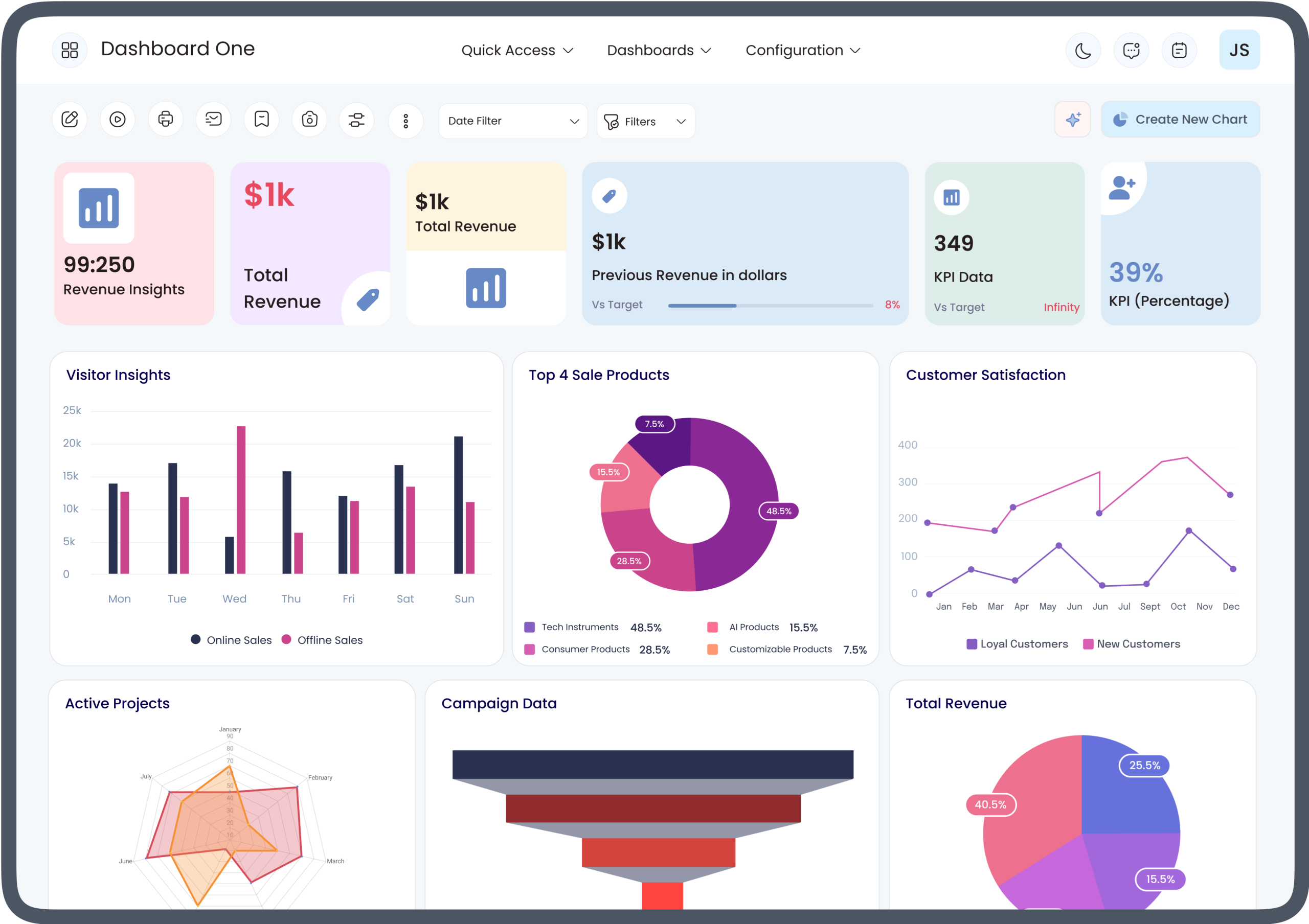
Effective employee record management and strong interview preparation are two important aspects of building a successful and productive professional environment. Organizations need reliable systems to maintain employee information, protect confidential documents, and streamline human resource operations. Similarly, job seekers must develop effective interview skills to communicate their qualifications, demonstrate confidence, and make a positive impression on potential employers.
Whether a business wants to improve its HR processes or an individual wants to advance their career, understanding these areas can contribute to better professional outcomes. Modern technology has made employee documentation more organized, while proper interview preparation helps candidates approach employment opportunities with confidence.
Understanding the Importance of Employee Record Management
Employee records contain essential information about individuals working within an organization. These records may include employment agreements, personal information, payroll details, performance evaluations, training certificates, attendance records, and other employment-related documents.
Maintaining accurate and organized employee information helps businesses operate efficiently. When records are scattered across different folders, spreadsheets, or physical storage locations, HR departments may struggle to retrieve important documents. This can create administrative delays, increase the possibility of errors, and make compliance requirements more difficult to manage.
A structured record management process allows HR professionals to access relevant information, maintain accurate documentation, and support informed management decisions. It also creates a consistent approach to handling employee information throughout the employment lifecycle.
How Human Resources Document Management Software Improves HR Operations
Traditional employee record management often involves paperwork, manual data entry, and physical filing systems. Although these methods may work for smaller organizations, they become increasingly difficult to manage as businesses expand.
Implementing human resources document management software provides a more organized approach to storing, managing, retrieving, and protecting employee documents. These digital systems allow HR departments to maintain centralized records and reduce their dependence on physical documentation.
One significant advantage is improved document accessibility. Authorized HR employees can locate employment contracts, employee profiles, policy documents, and other important files without searching through multiple filing cabinets or disconnected folders.
Another important benefit is workflow efficiency. Many document management platforms support automated processes for document approvals, employee onboarding, electronic signatures, and renewal reminders. These features can reduce repetitive administrative work and help HR teams focus on employee development and organizational planning.
Security is equally important. Employee records contain confidential information that should only be accessible to authorized individuals. Reliable document management solutions offer features such as access permissions, encryption, audit trails, and secure storage. However, organizations should evaluate these protections carefully before selecting a platform.
Best Practices for Organizing Employee Documents
Successful employee record management requires more than simply transferring paper documents into digital storage. Businesses should establish consistent policies for organizing, maintaining, and accessing their information.
A standardized folder structure can make document retrieval easier. For example, employee records can be organized according to departments, employment status, or individual employee identification numbers. Consistent file naming conventions also help prevent confusion and reduce duplicate documentation.
Organizations should regularly review employee information to identify outdated, incomplete, or inaccurate records. Updating contact information, employment details, and relevant certifications helps maintain reliable documentation.
Access control should also be established according to job responsibilities. Not every employee needs access to confidential payroll information or personal employment records. Restricting access helps protect privacy and reduces the risk of unauthorized information disclosure.
Additionally, businesses should develop appropriate document retention and deletion policies that follow applicable employment, privacy, and data protection regulations.
Understanding the Importance of Effective Job Interview Preparation
While businesses focus on maintaining organized employee information, job seekers must prepare themselves to communicate their professional abilities effectively. A job interview provides employers with an opportunity to evaluate a candidate’s experience, qualifications, communication skills, and suitability for a particular position.
Even candidates with impressive resumes may struggle if they cannot explain their experience clearly during an interview. Preparation helps individuals understand what employers expect and develop relevant responses to common questions.
Interview preparation also improves confidence. When candidates research an organization, review the job description, and practice discussing their achievements, they are more likely to communicate naturally and professionally.
Essential Job Interview Tips for Making a Strong Impression
Following practical job interview tips can help candidates present themselves more effectively and improve their overall interview performance.
Research the Company and Understand the Job Role
Before attending an interview, candidates should learn about the company’s services, products, workplace culture, and industry position. Reviewing the organization’s official website and recent announcements can provide useful background information.
Understanding the job description is equally important. Candidates should identify the main responsibilities, required qualifications, and skills associated with the position. This preparation allows them to connect their professional experience with the employer’s expectations.
Practice Common Interview Questions
Preparing for frequently asked questions can help candidates organize their thoughts and avoid unnecessary hesitation. Employers commonly ask candidates to introduce themselves, describe their strengths, explain previous work experiences, and discuss how they handle professional challenges.
Candidates should prepare genuine answers supported by relevant examples. The STAR method, which stands for Situation, Task, Action, and Result, is particularly useful for explaining previous experiences. It helps individuals structure their responses and demonstrate how they approach workplace responsibilities.
Communicate Clearly and Professionally
Communication plays a significant role in interview performance. Candidates should listen carefully to each question, provide relevant answers, and avoid unnecessarily lengthy explanations.
Maintaining appropriate eye contact, speaking confidently, and demonstrating positive body language can also create a professional impression. For virtual interviews, checking the internet connection, camera, microphone, and background beforehand can help prevent technical interruptions.
Dress Appropriately and Arrive on Time
Professional appearance demonstrates respect for the employer and the interview process. Candidates should select clothing appropriate for the organization’s workplace culture.
Arriving early also provides time to settle down and prepare mentally. For online interviews, joining the meeting a few minutes before the scheduled time demonstrates punctuality and professionalism.
Ask Relevant Questions
An interview should be a two-way conversation. Candidates can demonstrate genuine interest by asking about job responsibilities, team structure, professional development opportunities, and organizational expectations.
Thoughtful questions help individuals understand whether the position aligns with their career objectives while showing employers that they have taken the opportunity seriously.
How Digital Tools Support Modern Recruitment and Career Development
Technology continues to transform both human resource management and recruitment practices. Digital documentation platforms help businesses organize employee information, while online recruitment systems simplify application tracking and candidate communication.
Similarly, job seekers can use digital resources to improve their resumes, research employers, practice interview questions, and prepare professional applications.
However, technology should support rather than replace human judgment. Employers must evaluate candidates fairly, while applicants should ensure that their qualifications and interview responses accurately represent their abilities.
Conclusion
Organizing employee records and developing effective interview skills are valuable practices that support professional and organizational success. Businesses can improve documentation accuracy, accessibility, and administrative efficiency through human resources document management software. At the same time, job seekers can strengthen their interview performance by researching employers, practicing relevant questions, communicating confidently, and maintaining professional behavior.
By combining organized HR processes with practical job interview tips, organizations and individuals can create better employment experiences, support career development, and contribute to long-term professional growth.