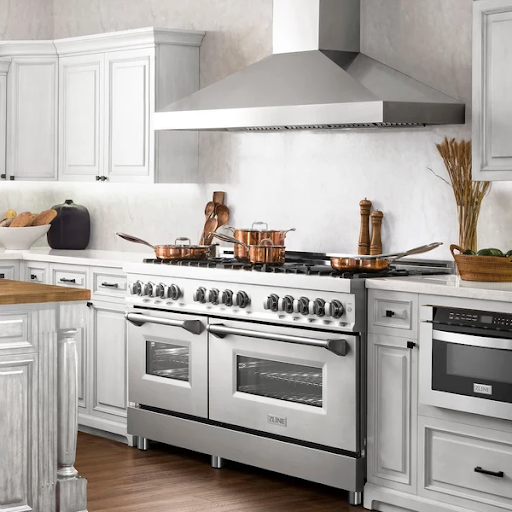
For decades, gas ranges have remained one of the most popular cooking appliances in homes around the world. Their responsive heat control, cooking versatility, and ability to accommodate a wide range of cooking techniques make them a preferred choice for both everyday cooks and culinary enthusiasts. Whether preparing quick weekday meals or elaborate family dinners, a quality gas range can significantly enhance the cooking experience.
As kitchen technology continues to evolve, modern gas ranges now offer advanced features, improved energy efficiency, smart connectivity, and enhanced safety systems. Understanding how these appliances work and what factors to consider before purchasing can help homeowners make informed decisions when upgrading their kitchens.
What Are Gas Ranges?
Gas ranges are kitchen appliances that combine a gas-powered cooktop with an integrated oven. They typically use either natural gas or propane as a fuel source and provide direct flame heating for stovetop cooking.
Unlike electric cooktops, gas burners allow users to visually monitor and adjust flame intensity instantly. This responsiveness is one of the primary reasons many home cooks and professional chefs continue to prefer gas cooking. According to Consumer Reports, gas ranges provide immediate heat adjustments and excellent control for simmering, sautéing, and high-heat cooking techniques.
Why Gas Ranges Remain Popular
Instant Temperature Control
One of the biggest advantages of gas ranges is their ability to provide immediate temperature changes. When a burner is adjusted, the flame responds instantly, allowing cooks to quickly transition between high heat and gentle simmering.
This level of control is particularly useful for recipes that require precise heat management, such as sauces, stir-fries, and delicate dishes. Experts consistently identify responsiveness as one of the major strengths of gas cooking systems.
Versatile Cooking Performance
Modern gas ranges are designed to accommodate various cooking styles. Most models feature multiple burners with different heat outputs, enabling users to cook several dishes simultaneously.
Many gas ranges now include:
- High-output burners for rapid boiling
- Simmer burners for delicate cooking
- Griddle burners
- Convection ovens
- Air-fry functionality
- Self-cleaning systems
These features make gas ranges suitable for everything from everyday meal preparation to advanced culinary projects.
Reliable Operation
Another benefit of gas ranges is their reliability. In some situations, gas burners can continue operating during power outages if safely ignited according to manufacturer guidelines.
This added functionality provides peace of mind for households that experience occasional electrical disruptions.
Types of Gas Ranges
Freestanding Gas Ranges
Freestanding models are among the most common options available. They feature finished sides and can be installed between cabinets or as standalone units.
Their flexibility and straightforward installation make them popular choices for kitchen upgrades.
Slide-In Gas Ranges
Slide-in gas ranges are designed to fit seamlessly between cabinets, creating a built-in appearance. These models often feature front-mounted controls that contribute to a cleaner and more modern aesthetic.
Many homeowners choose slide-in designs when remodeling kitchens to achieve a more integrated look.
Professional-Style Gas Ranges
Professional-style ranges are inspired by commercial kitchen equipment and often feature heavy-duty construction, larger cooking capacities, and high-performance burners.
These models frequently include cast-iron grates, advanced convection systems, and powerful heating capabilities. According to Consumer Reports, professional-style gas ranges emphasize durability and premium performance, though many standard models now offer similar cooking features.
Features to Consider When Buying Gas Ranges
Burner Configuration
A well-designed burner layout improves cooking efficiency. Many modern ranges offer four to six burners with varying heat outputs to support different cooking tasks.
Industry buying guides recommend selecting a configuration that matches your cooking habits and household needs.
Oven Capacity
Families that cook frequently may benefit from larger oven capacities. Modern gas ovens often range from approximately 5 to 6 cubic feet, providing ample space for roasting, baking, and entertaining. Community discussions among range owners frequently identify oven capacity as a major purchasing factor.
Smart Features
Today’s gas ranges increasingly incorporate smart technologies such as:
- Wi-Fi connectivity
- Voice controls
- Remote monitoring
- Mobile notifications
- Guided cooking programs
These features can improve convenience while helping users manage cooking tasks more efficiently.
Ventilation Requirements
Proper kitchen ventilation is important when using gas appliances. Effective range hoods help remove heat, moisture, and cooking byproducts while improving overall kitchen comfort. Consumer Reports recommends maximizing ventilation when cooking with gas appliances.
Are Gas Ranges Right for Your Kitchen?
Choosing between gas, electric, and induction cooking ultimately depends on individual preferences. Many homeowners prefer gas ranges because of their familiar cooking experience, visual flame control, and immediate heat response.
For households that cook frequently and value precision temperature adjustments, gas remains a practical and effective option. However, factors such as fuel availability, ventilation, maintenance requirements, and kitchen design should also be considered before making a final decision.
Conclusion
The enduring popularity of gas ranges reflects their ability to combine versatility, responsiveness, and reliable performance in a single appliance. From quick weeknight meals to advanced cooking techniques, these appliances continue to support a wide variety of culinary needs. Modern gas ranges offer far more than traditional flame cooking, incorporating smart technology, advanced oven functions, and enhanced safety features that improve both convenience and performance. For buyers researching gas ranges for sale, understanding these key features can make the selection process more informed and rewarding. By carefully evaluating burner configurations, oven capacity, installation requirements, and long-term value, homeowners can select a range that meets their cooking goals and kitchen design preferences.

