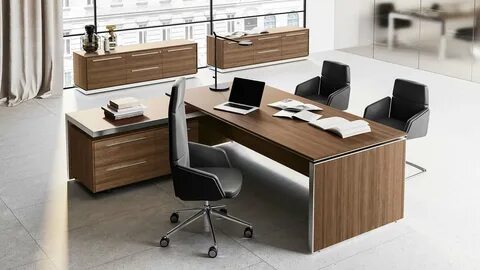
The way we approach workspace planning has changed dramatically over the years, and office table design now plays a central role in creating an efficient, comfortable, and aesthetically pleasing environment. A well-thought-out office table is no longer just a piece of furniture—it is a tool that influences productivity, collaboration, and employee well-being. Modern offices are adopting tables that cater to a variety of work styles, from traditional individual workstations to open-plan collaborative setups. This shift has made table design more important than ever, as companies look for furniture that balances functionality, ergonomics, and style.
Key Features That Define Modern Office Table Design
The primary focus of contemporary office table design is functionality without compromising style. Features like cable management systems, integrated storage, and adjustable heights are now standard in many modern tables. Ergonomics plays a major role, ensuring that employees can maintain proper posture and reduce strain during long hours of work. Materials used in these tables are also evolving; manufacturers are increasingly using high-quality wood, glass, metal, and eco-friendly materials to create durable yet elegant solutions. In addition, modular designs have gained popularity, allowing companies to customize layouts and adapt spaces for different team sizes or projects.
How Office Table Design Enhances Productivity
A carefully chosen office table can significantly impact workplace efficiency. Ergonomic considerations, such as the height and depth of a table, ensure that employees remain comfortable and focused, minimizing fatigue and physical stress. Tables with built-in storage or cable management reduce clutter, creating an organized workspace that fosters concentration. Collaborative table designs encourage teamwork and communication, allowing employees to interact naturally while still having personal space. By aligning table design with specific workplace needs, organizations can create environments that boost overall productivity and satisfaction.
Material Selection And Its Importance In Office Table Design
The materials used in office table design are essential not only for durability but also for aesthetic appeal. Wooden tables, especially those made from solid wood or engineered wood, offer warmth and timeless elegance, making them ideal for executive offices. Glass tops provide a sleek, modern look and can make small spaces appear larger, while metal tables give a minimalist industrial vibe that works well in tech-focused or creative environments. Additionally, sustainable materials are becoming increasingly popular as companies aim to reduce their environmental impact. Using recycled wood or bamboo, combined with non-toxic finishes, allows organizations to maintain a professional look while staying eco-conscious.
Ergonomics And Comfort In Office Table Design
Employee health and comfort are critical in modern office setups, making ergonomics a key component of office table design. Adjustable tables, sit-stand desks, and tables with proper legroom allow employees to maintain natural posture throughout the day. Comfortable workstations reduce the risk of back pain, neck strain, and repetitive stress injuries, which are common in traditional office setups. Ergonomic table designs often include curved edges, rounded corners, and appropriately spaced drawers to ensure ease of movement and reduce fatigue. By prioritizing employee comfort through smart table design, companies can enhance productivity while also promoting overall workplace wellness.
Aesthetic Trends In Office Table Design
Modern offices are increasingly focusing on office table as a reflection of brand identity and workplace culture. Minimalist designs, neutral color palettes, and clean lines dominate contemporary trends, creating a sense of openness and sophistication. Modular tables allow flexibility in layouts and encourage collaboration, while statement pieces, such as executive tables with high-end finishes, make a lasting impression on clients and visitors. The combination of style and functionality ensures that tables not only meet practical needs but also contribute to a professional, inviting, and inspiring environment.
The Role Of Technology In Modern Office Tables
Technology has transformed the way office table design is approached. Integrated USB ports, wireless charging pads, built-in power outlets, and cable management systems are now standard features in many modern tables. Smart tables that allow employees to adjust height settings electronically or include features like activity reminders help support health-conscious work habits. Technology integration enhances efficiency by providing easy access to essential devices and reducing workspace clutter, making it a critical consideration in the design of contemporary office tables.
Office Table Design For Different Workspaces
Different types of workspaces require tailored office table solutions. Executive offices often prioritize style, durability, and functionality, opting for tables with large surfaces, premium finishes, and ample storage. Open-plan offices require collaborative designs that encourage teamwork while still offering personal space. Small or home offices benefit from compact tables that maximize available space without compromising comfort. Modular table systems offer adaptability, allowing organizations to reconfigure layouts for team growth or project-based work. By matching table design with workspace requirements, companies can create productive, functional, and visually appealing environments.
Benefits Of Investing In High-Quality Office Table Design
Investing in high-quality office table design provides long-term benefits beyond aesthetics. Durable, ergonomic tables reduce the need for frequent replacements, saving costs over time. They also improve employee satisfaction by providing comfortable and efficient workstations, which can reduce absenteeism and increase engagement. Stylish tables enhance the overall office environment, leaving a strong impression on clients and visitors. By choosing high-quality designs, organizations signal that they value employee well-being and professionalism, creating a positive and productive workplace culture.
Sustainability And Future Trends In Office Table Design
Sustainability is becoming a major factor in office table design. Many manufacturers now use recycled or renewable materials, non-toxic finishes, and energy-efficient production methods. This eco-conscious approach aligns with modern corporate values and appeals to environmentally aware employees and clients. Future trends are likely to include increased modularity, more advanced ergonomic solutions, and greater technology integration. Tables will continue to evolve, reflecting changes in work habits, health considerations, and design preferences, making sustainability and functionality central to future office furniture innovations.
Conclusion
The modern workplace demands office table design that combines comfort, functionality, and aesthetics. From ergonomic features to sustainable materials, modern tables support productivity, creativity, and employee well-being. They play a vital role in shaping the workspace and reflecting a company’s values and professionalism. For businesses seeking innovative, durable, and stylish office furniture solutions that enhance both work efficiency and visual appeal, Modern office table designs is a trusted brand offering quality tables that meet the evolving needs of today’s work environment.