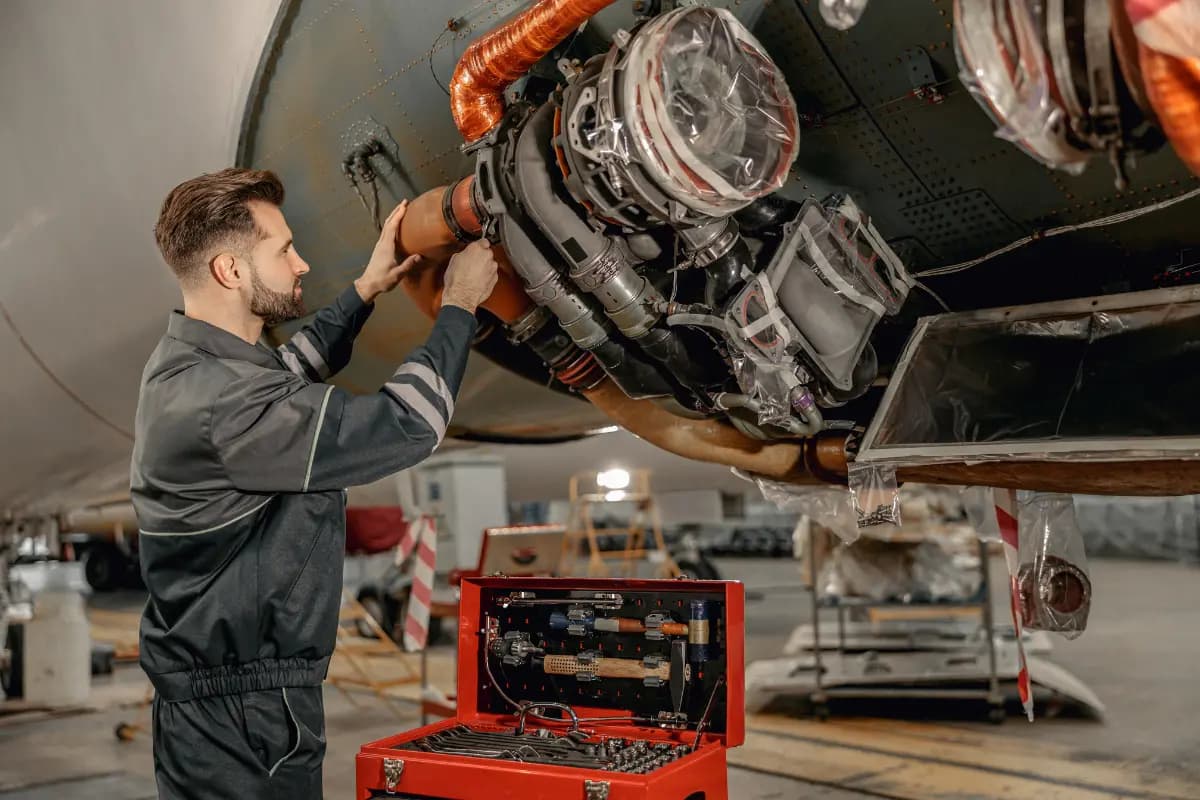
Being an avionics technician does not just require knowledge. It also needs accuracy, attention to detail, and the use of the right tools of the trade. Whether it’s a flight control system repair or communication equipment testing, the right tools will save the day.
Why the Right Tools Matter
Avionics work involves sensitive electronics and complicated systems. Just one mistake can trigger safety problems or system failure, so it is crucial to invest in good avionics tools.
The tools ensure that technicians can work with delicate electrical components. They also simplify testing, repair, and installation of devices, making them accurate. Without them, even the best technician may have a hard time with a project.
Tools Avionics Technicians Need
Avionics technicians are important in maintaining safe and functional aircraft systems. They cannot perform this job properly without the right tools and technical skills. The following are some of the tools required by the professionals:
1. Basic Hand Tools
No avionics technician can do without a good hand tool set, which includes screwdrivers, pliers, wire strippers, and torque wrenches. To ensure safety, it is important to always select tools with insulated handles.
You will also need a precision screwdriver set. These tools help you work with small or sensitive screws in aircraft electronics without damaging parts. The pliers and cutters must be of good quality and rust-proof. Needle-nose pliers are excellent for getting into tight areas, and wire cutters ought to produce a smooth, clean cut.
2. Measuring & Testing Tools
Measuring tools are mandatory in avionics work. A good digital multimeter is one of the most valuable instruments in your toolbox. It senses voltage, current, and resistance in a circuit.
The oscilloscope is another helpful instrument. It allows you to see signal shapes and assists in fault diagnosis.
3. Soldering Equipment
A good soldering iron is an important tool in avionics repair. It warms up fast and maintains a constant temperature, assisting you in making neat, clean, and safe connections.
Use rosin-core solder for electrical work. It eases the procedure and prevents part destruction.
4. Safety & Organization Tools
Avionics prioritizes safety. Anti-static wrist straps help avoid static discharge, which may destroy sensitive components. Safety goggles and gloves also ensure your safety as you work.
Organization of tools is equally important. To store everything in its place, use a tool case with labeled slots. This helps save time and prevent tool loss.
Other Specialized Tools for Avionics Work
Specially designed tools are used in aircraft electronics. These include crimping tools, coaxial cable strippers, and connector pin removal tools. They assist in ensuring that your work meets tough aviation standards. The following is a list of more specialized tools you need:
- Crimping tool with different die sets
- Coaxial cable stripper
- Heat gun for shrink tubing
- Pin insertion & removal tools
- Static discharge wrist strap
The bottom line is that the right tools can improve your performance and safety as an avionics technician. Every tool has its purpose and will allow you to do your job better. Start with basic tools and invest in more advanced ones as your career progresses.
It is also wise to invest in quality tools. They are more durable and can work under pressure. With such tools, you can confidently approach any avionics job.


