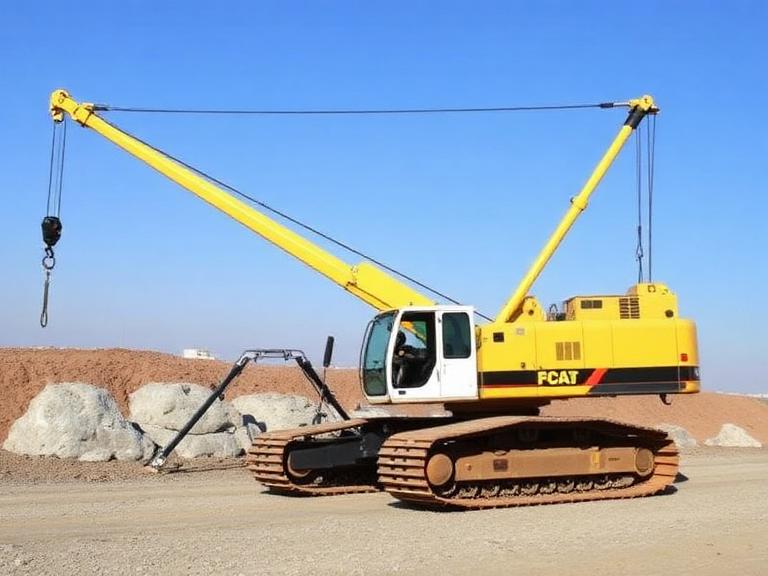
Crawler cranes are essential in modern construction due to their exceptional lifting power, stability, and ability to handle complex heavy-duty operations on challenging job sites.
Have you ever watched a massive steel structure rise from the ground and wondered how on earth they lifted those enormous beams into place? Perhaps you’ve driven past a construction site and spotted one of those impressive machines with tank-like tracks slowly manoeuvring across the dirt. Or maybe you’re considering a career change, and the idea of operating heavy machinery has sparked your curiosity?
Crawler cranes are the unsung heroes of the construction world. These powerful machines make the impossible possible, lifting loads that would take hundreds of workers to move by hand. From building bridges to assembling wind turbines, crawler cranes play a vital role in shaping our modern landscape. In Australia’s booming construction and mining industries, skilled crane operators are always in demand.
In this guide, we’ll walk you through everything you need to know about crawler cranes and heavy equipment operations. You’ll learn how these machines work, what qualifications you need to operate them, and the safety protocols that keep everyone on site protected. Whether you’re a complete beginner exploring career options or a project manager trying to understand your equipment needs better, this article has got you covered.
What is a Crawler Crane and How Does it Work?
A crawler crane is a type of mobile crane mounted on an undercarriage with a set of tracks, similar to those you’d see on a tank or bulldozer. These tracks distribute the crane’s weight over a large surface area, giving it incredible stability on uneven or soft ground. Unlike wheeled cranes that need solid, level surfaces, crawler cranes can work in challenging conditions.
The basic operation involves a powerful engine that drives hydraulic systems. These systems control both the movement of the tracks and the lifting mechanisms. The operator sits in a cab, using joysticks and controls to rotate the upper structure, extend the boom, and raise or lower loads with precision.
What makes crawler cranes particularly valuable is their ability to lift extremely heavy loads while moving slowly across a site. This means they can pick up materials in one location and travel to another without needing to be dismantled. It’s this combination of power, mobility, and stability that makes them essential for large-scale projects.
Understanding Different Types of Crawler Cranes
Lattice Boom vs Telescopic Crawler Cranes
When it comes to crawler cranes, you’ll encounter two main designs: lattice boom and telescopic. Lattice boom cranes feature a long, open-framed boom made from interconnected steel sections. They’re lighter for their length and can reach impressive heights, making them ideal for heavy lifts at significant distances.
Telescopic crawler cranes, on the other hand, have a boom that extends and retracts like a telescope. They’re quicker to set up and more versatile for jobs requiring frequent boom length changes. However, they typically can’t match the lifting capacity of lattice booms at extreme heights.
What Size Crawler Crane Do I Need for My Project?
Choosing the right crane size depends on several factors:
- Maximum load weight– What’s the heaviest item you need to lift?
- Lift radius– How far from the crane does the load need to travel?
- Lift height– How high must the load be raised?
- Ground conditions– Can the site support the crane’s weight?
Always consult with a qualified lift planner or crane hire company. They’ll analyse your project requirements and recommend the appropriate machine. Getting this wrong can lead to costly delays or, worse, dangerous situations.
Key Components and How Crawler Cranes Operate
The anatomy of a crawler crane includes several critical parts working together. The undercarriage houses the tracks, drive motors, and the carbody that supports everything above. The superstructure sits on top and includes the operator’s cab, engine, counterweights, and the boom attachment point.
The boom is where the magic happens. Whether lattice or telescopic, it provides the reach needed to lift loads at a distance. Wire ropes run through a system of pulleys and drums, controlled by the hoist mechanism. Counterweights at the rear balance the load being lifted, preventing the crane from tipping forward.
Understanding load charts is absolutely essential for safe operations. These charts show the maximum weight a crane can lift at various boom lengths and angles. Every lift must be planned within these parameters. Exceed them, and you risk catastrophic failure. Experienced operators know these charts inside out and always factor in additional considerations like wind speed and ground conditions.
Getting Started in Heavy Equipment Operations
What Qualifications Do You Need to Operate a Crawler Crane in Australia?
In Australia, operating a crawler crane requires a High-Risk Work (HRW) licence. The specific class depends on the crane’s capacity. For slewing mobile cranes (which includes most crawler cranes), you’ll need either a C2 licence for cranes up to 60 tonnes or a C6 licence for cranes over 60 tonnes.
To obtain these licences, you must be at least 18 years old and complete accredited training through a Registered Training Organisation (RTO). The training covers theory and practical components, followed by a formal assessment. Many aspiring operators start with smaller crane classes before progressing to larger machines.
How Long Does it Take to Become a Certified Crane Operator?
The formal training typically takes between one and four weeks, depending on the licence class and your prior experience. However, becoming truly proficient takes much longer. Most employers value real-world experience highly, so expect to spend months or even years developing your skills under supervision.
Many operators begin their careers as riggers or dogmen, learning how to safely attach loads to cranes. This ground-level experience provides invaluable knowledge about lift operations from a different perspective. It’s an excellent stepping stone into crane operation.
Safety Essentials for Crawler Crane Operations
Critical Safety Protocols Every Operator Must Know
Safety isn’t just a priority in crane operations—it’s non-negotiable. Every lift must be planned thoroughly, with clear communication between the operator, riggers, and site personnel. Hand signals and two-way radios keep everyone connected, especially when the operator can’t see the load directly.
What Are the Main Hazards When Operating Crawler Cranes?
The risks include:
- Overloading– Exceeding the crane’s capacity can cause tipping or structural failure
- Power line contact– Electrical hazards are a leading cause of crane-related fatalities
- Unstable ground– Soft or uneven surfaces can cause the crane to sink or tip
- Swinging loads– Uncontrolled movement can strike workers or structures
- Weather conditions– High winds can make lifting operations dangerous
Pre-operational checks are your first line of defence. Before each shift, operators inspect tracks, hydraulic systems, wire ropes, and safety devices. Any faults must be reported and addressed before work begins. This daily discipline prevents equipment failures and keeps everyone safe.
Hiring vs Buying Crawler Cranes
How Much Does it Cost to Hire a Crawler Crane?
Crawler crane hire rates in Australia vary widely based on capacity, location, and duration. Smaller cranes might cost between $5,000 and $15,000 per week, while larger machines can exceed $50,000 weekly. These rates typically include the operator and basic maintenance.
When hiring makes sense:
- Short-term projects with defined end dates
- One-off heavy lifts requiring specialised equipment
- Projects where storage between jobs isn’t practical
When Does Purchasing Make More Financial Sense?
Buying becomes attractive when you have consistent, long-term crane requirements. If you’re using a crawler crane more than 60-70% of the time over several years, ownership often works out cheaper than continuous hire. Plus, you control availability and maintenance schedules.
When choosing a hire company, look for well-maintained fleets, experienced operators, and strong safety records. Ask for references from similar projects and verify their insurance coverage. A reliable hire partner becomes an extension of your team.
Common Applications and Industry Uses
Crawler cranes shine across multiple industries in Australia. In mining and resources, they handle heavy equipment installation, maintenance shutdowns, and infrastructure development at remote sites. Their stability on unprepared ground makes them perfect for these challenging environments.
Infrastructure projects like bridges, tunnels, and high-rise buildings rely heavily on crawler cranes. Their ability to lift massive prefabricated sections into place speeds up construction timelines dramatically. Civil construction projects use them for everything from placing concrete beams to positioning heavy machinery.
The renewable energy sector has become a major employer of crawler cranes. Wind turbine installation requires lifting nacelles and blades weighing dozens of tonnes to heights exceeding 100 metres. Only the largest crawler cranes have the combination of capacity and reach these projects demand.
Maintenance and Operational Best Practices
Regular servicing keeps crawler cranes safe and productive. Most manufacturers recommend thorough inspections every 250-500 operating hours, with major services annually. Track maintenance, hydraulic fluid changes, and wire rope inspections are particularly important.
Proper care extends equipment lifespan significantly. This includes cleaning after each shift, proper storage during downtime, and addressing minor issues before they become major problems. Well-maintained cranes retain their value better and experience fewer breakdowns.
Common issues to watch for include track tension problems, hydraulic leaks, and unusual noises during operation. Operators who know their machines can often identify problems early, preventing costly repairs and dangerous failures.
Taking Your First Steps in Heavy Equipment Operations
Crawler cranes represent some of the most impressive machinery in the construction industry. From their tank-like stability to their incredible lifting power, these machines make modern construction possible. Understanding how they work, the qualifications needed to operate them, and the safety protocols that govern their use provides a solid foundation for anyone interested in this field.
Whether you’re considering a career as a crane operator or managing projects that require heavy lifting, knowledge is power. The demand for skilled operators in Australia continues to grow, particularly in mining, infrastructure, and renewable energy sectors. Businesses looking for reliable crawler cranes in Melbourne should prioritise experienced providers and strong safety standards, with guidance available through Safe Work Australia. It’s a career that offers excellent pay, job security, and the satisfaction of contributing to major construction achievements.
So, what’s your next step? If operating appeals to you, start researching accredited training providers in your area. If you’re managing projects, build relationships with reputable crane hire companies who can guide your equipment decisions. Either way, you’re now equipped with the basics to make informed choices about crawler cranes and heavy equipment operations.