Prayer flags have long represented goodwill, compassion, and blessings carried by the wind. Rather than serving as simple decorative pieces, they reflect generations of spiritual practice preserved across Himalayan communities. Every color, symbol, and printed mantra contributes to a tradition that continues to inspire people seeking meaningful cultural décor. Toward the end of that journey, many enthusiasts begin searching for prayer flags for sale that remain faithful to those authentic origins.
Unlike factory-produced alternatives, handmade prayer flags preserve the character of traditional craftsmanship. Skilled artisans continue using techniques passed through generations, producing flags that reflect both artistic precision and cultural respect. Whether displayed in meditation areas, gardens, balconies, or peaceful indoor settings, thoughtfully crafted prayer flags create a connection with Himalayan heritage while maintaining their original symbolic purpose.
Understanding the Purpose Behind Traditional Prayer Flags
Prayer flags are designed to spread positive intentions rather than personal wishes. As wind moves through the fabric, the printed prayers symbolically travel outward, sharing compassion, harmony, wisdom, and strength with all living beings. This belief has remained central to Tibetan Buddhist traditions for centuries.
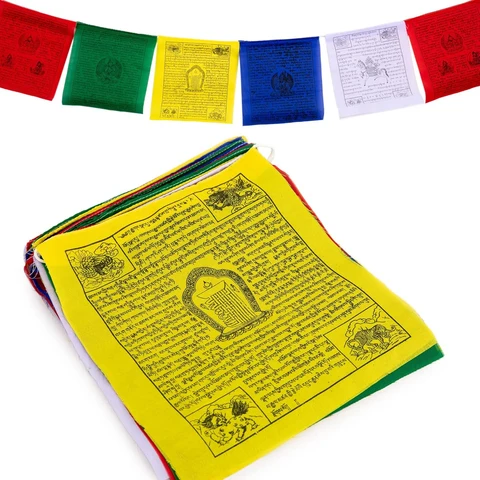
Every flag also represents one of the five natural elements through its colors. Blue symbolizes space, white represents air, red reflects fire, green stands for water, while yellow signifies earth. Together, these colors express balance between nature and spiritual well-being, creating a meaningful arrangement instead of random decoration.
Handmade Production Preserves Authentic Heritage
Mass manufacturing often removes the individuality that traditional artisans carefully preserve. Authentic prayer flags continue to be produced by experienced Nepalese craftspeople using established methods that respect centuries-old artistic practices. Hand-printing creates subtle variations that distinguish genuine work from machine-made copies.
Traditional Woodblock Printing
Many authentic flags are produced through carved wooden blocks that transfer sacred designs onto fabric. This method has remained an important part of Himalayan artistic traditions because it preserves the original appearance of prayers and symbolic imagery with remarkable consistency.
Meaningful Symbols Within Every Design
The familiar Wind Horse often appears alongside sacred mantras and protective figures that represent courage, wisdom, prosperity, and compassion. These visual elements serve a spiritual purpose while reflecting the artistic heritage maintained across Himalayan communities.
Respecting Traditional Color Arrangements
Authentic makers preserve the historical sequence of colors because each one represents a natural element. Maintaining this arrangement ensures the flags continue reflecting their intended symbolism rather than becoming purely decorative items.
Selecting Materials That Match Traditional Practices
Material selection influences both durability and authenticity. Traditionally produced prayer flags are created with fabrics that allow movement in the wind while preserving printed symbols for an appropriate period. This balance helps maintain the intended spiritual significance while supporting everyday outdoor use.
Many buyers also appreciate products that retain a handmade appearance instead of an overly polished finish. Natural textures, carefully applied inks, and traditional production methods contribute to a more genuine representation of Himalayan craftsmanship. Authentic collections frequently include horizontal styles, vertical Dharchok designs, handprinted English prayer flags, mixed deity options, and blank sets intended for personal artistic expression.
- Handmade construction reflects traditional artisan methods.
- Multiple display styles accommodate different spaces.
- Blank prayer flag sets support creative personal projects.
- Traditional symbolism remains consistent across authentic collections.
Features That Distinguish Quality Prayer Flags
Thoughtful buyers often examine more than appearance before making a selection. Construction quality determines how well the flags perform outdoors while preserving their visual appeal throughout changing weather conditions.
Fabric Quality Matters
Traditional artisans select materials that respond naturally to wind movement without appearing overly rigid. Midway through the selection process, many collectors specifically seek cotton prayer flags because the fabric closely reflects long-standing Himalayan production practices while offering a soft, natural finish.
Printing Should Preserve Sacred Details
Clear mantras, balanced illustrations, and properly aligned symbols demonstrate careful workmanship. Hand-printing techniques using carved wooden blocks continue to distinguish authentic products from mass-produced alternatives, allowing every set to retain subtle artistic character.
Appropriate Sizing Expands Placement Options
Prayer flags are available in different dimensions to suit balconies, meditation rooms, gardens, courtyards, and larger outdoor areas. Vertical formats provide an excellent choice where horizontal space is limited, while traditional strings remain suitable for wider installations between elevated supports.
Displaying Prayer Flags With Respect
Displaying prayer flags involves more than choosing an attractive location. Traditional practice encourages placing them where fresh air can move freely through the fabric, allowing the printed blessings to symbolically travel with the wind.
Proper Placement Encourages Respectful Display
Traditional guidance recommends hanging prayer flags in elevated, open locations where wind can move through them freely. They should be positioned carefully, avoiding contact with the ground, since the printed mantras and sacred symbols are treated with respect. Maintaining the traditional color sequence also preserves the intended symbolism of the five natural elements.
Indoor and Outdoor Applications
Outdoor gardens, balconies, terraces, mountain cabins, meditation spaces, and peaceful courtyards all provide suitable environments when the flags are displayed thoughtfully. Indoor placement near windows or quiet reflection areas also allows people to appreciate their symbolism while respecting the cultural traditions associated with them.
Caring for Prayer Flags Over Time
Natural weathering forms part of the traditional life cycle of prayer flags. As exposure gradually fades the fabric, many practitioners view the process as a symbolic release of blessings rather than deterioration. When replacement becomes necessary, the worn flags should be handled respectfully according to traditional customs instead of being discarded casually.
Final Thoughts
Why settle for ordinary décor when every piece can reflect centuries of tradition and purpose? Choosing authentic prayer flags means appreciating their symbolism, respecting the artisans behind them, and preserving practices that have been passed from one generation to the next. Rather than viewing them as decorative accessories alone, thoughtful buyers recognize the stories, beliefs, and values woven into every handcrafted set.
Those looking for authentic Himalayan products can explore Himalayan Bazaar for handmade prayer flags created by skilled Nepalese artisans using traditional woodblock printing techniques. The collection includes classic Wind Horse flags, vertical Dharchok prayer flags, mixed deity designs, English handprinted editions, and blank sets for personal expression, all crafted with attention to authenticity and heritage. Selecting these products is also a meaningful way to support cultural craftsmanship from the Himalayas while bringing genuine spiritual artistry into homes, meditation spaces, and gardens.