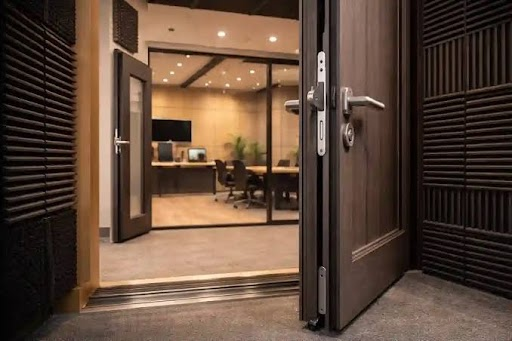
Busy roads, construction activities and constant vehicle horns can make urban homes noisy and uncomfortable. Excessive noise can interrupt sleep, reduce concentration and affect everyday relaxation. Installing a soundproof door can help limit unwanted sound entering indoor spaces. With suitable glazing, durable frames and effective sealing, noise-reducing doors can improve acoustic comfort. Understanding their features helps homeowners choose practical solutions for quieter living environments.
Why Is Noise Pollution a Concern in Urban Homes?
Urban homes are frequently exposed to traffic, construction work, public transport and nearby commercial activities. External sounds can enter through poorly sealed doors, windows, and other openings, especially in apartments near busy streets. Continuous noise can disrupt sleep, interrupt conversations, and make working from home difficult.
Installing a Soundproof Door can help reduce sound transmission between outdoor and indoor environments. However, overall noise reduction also depends on the surrounding walls, windows, and ventilation openings. Addressing multiple entry points can create a more comfortable indoor atmosphere.
How Do Soundproof Doors Reduce Unwanted Noise?
Soundproof doors use specialised materials and construction features to limit sound transmission. Several components work together to reduce external noise and improve indoor acoustic comfort.
The following features contribute to effective sound insulation:
- Acoustic Glazing: Laminated glass configurations help reduce outdoor noise passing through glazed panels.
- Dense Door Materials: Suitable materials limit sound transmission through the door surface.
- Frame Construction: Well-designed frames support structural stability and effective sound insulation.
- Perimeter Gaskets: Quality seals restrict sound leakage through gaps around the door.
- Proper Installation: Accurate alignment and fitting minimise openings that may affect acoustic performance.
Together, these features help a well-fitted soundproof door reduce unwanted noise while maintaining everyday functionality, durability and visual appeal in modern homes.
How Does Aluminium Window Design Support Noise Reduction?
A suitable Aluminium Window Design can complement noise-reducing doors by helping limit sound entering through window openings. Aluminium frames provide structural stability, while compatible glazing and effective seals contribute to acoustic performance. Windows facing busy streets may benefit from tested acoustic glass configurations and well-designed sealing systems.
An aluminium window design’s effectiveness depends on glazing specifications, frame construction, airtightness, and installation quality. Considering windows alongside doors helps homeowners address multiple noise entry points while maintaining natural light, ventilation, and a consistent appearance throughout the property.
What Features Should You Look for in Soundproof Doors?
Choosing an appropriate acoustic door requires attention to construction quality, sealing and independently tested performance. Several important features can help homeowners compare available options.
- Acoustic Glazing: Choose suitable glass configurations to reduce noise.
- Frame Construction: Consider sturdy frames that support effective sealing.
- Perimeter Seals: Check gasket quality and airtightness.
- Acoustic Rating: Review tested sound insulation specifications.
- Installation Quality: Ensure accurate alignment and proper fitting.
These factors influence how effectively a door reduces unwanted sound. Comparing complete door systems provides a clearer understanding of their expected performance.
Can Soundproof Doors Completely Block Outdoor Noise?
A soundproof door can reduce unwanted sound transmission, but completely eliminating noise is generally unrealistic in residential environments. The actual reduction depends on the door’s acoustic rating, construction materials and installation quality. Low-frequency sounds, such as heavy traffic vibrations, may remain noticeable even with suitable acoustic doors.
Noise can also enter through windows, walls and ventilation openings. Homeowners seeking improved acoustic comfort should therefore assess the complete room rather than relying on a single door. A coordinated approach can deliver more effective, consistent noise reduction.
Must Read: Transform Your Home Looks With Aluminium Glass Doors
How Can You Maintain the Acoustic Performance of Doors?
Regular maintenance helps preserve the acoustic performance of noise-reducing doors. Homeowners should inspect perimeter gaskets for damage, check door alignment and ensure that locking mechanisms close securely. Cleaning tracks, frames and sealing surfaces can prevent dirt accumulation that affects proper closure.
Replace damaged weather seals with compatible components when necessary. Also inspect gaps around the frame and address installation-related issues promptly. Following manufacturer-recommended maintenance practices supports reliable operation, effective sealing, and long-term acoustic comfort.
Conclusion
Soundproof doors can help create quieter, more comfortable homes in busy urban environments. Suitable acoustic glazing, durable frames, effective gaskets, and proper installation help reduce unwanted noise transmission. Combining well-designed doors with appropriate windows can further improve indoor comfort. By considering acoustic ratings, room requirements and maintenance needs, homeowners can select practical solutions that support peaceful living while complementing contemporary interiors and everyday functionality.

