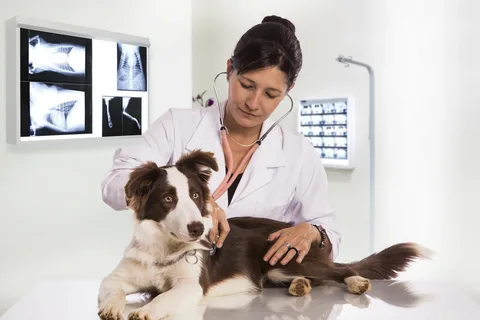
Regular veterinary care helps pets stay healthy, active, and comfortable throughout their lives. Routine examinations can help identify early signs of illness, monitor growth, review vaccinations, and give owners practical guidance about nutrition, exercise, dental care, and daily habits.
Even when a dog or cat appears healthy, subtle changes in weight, behavior, appetite, or physical condition may not always be easy to notice at home. A pet vet check up in dubai silicon oasis provides an opportunity for a veterinarian to assess the pet’s overall wellbeing and address small concerns before they potentially become more serious. Regular visits also create a useful health record, making it easier for a veterinarian to compare changes over time and recommend suitable preventive care based on the pet’s age, breed, lifestyle, and individual needs.
Why Routine Pet Checkups Matter
Pets often hide discomfort, especially during the early stages of a health problem. A routine examination gives the veterinarian an opportunity to look for physical changes before they become more serious. Depending on the pet’s age, breed, lifestyle, and medical history, the visit may include a general physical examination, vaccination review, parasite prevention advice, dental assessment, and discussion of diet or behavior.
Preventive care is valuable because treatment can sometimes become more complicated when a condition is discovered late. Regular appointments can also help owners understand normal changes as their pet grows. Puppies and kittens may need more frequent monitoring during early development, while adult and senior pets may benefit from examinations that focus more closely on weight, mobility, organ function, and age-related concerns.
What Happens During a Pet Examination
A standard veterinary visit usually begins with questions about the pet’s routine. Owners may be asked about appetite, drinking, bowel movements, activity levels, sleep, behavior, and any unusual symptoms. Sharing accurate information can help the veterinarian understand the pet’s overall condition.
The physical examination may include several simple checks:
- Body weight and general body condition
- Temperature, heart rate, and breathing
- Eyes, ears, nose, mouth, and teeth
- Skin, coat, paws, and nails
- Muscles, joints, and movement
- Abdomen and other accessible areas
- Signs of pain, swelling, or unusual lumps
If the veterinarian notices something that needs further investigation, additional tests may be recommended. These can include blood work, urine testing, stool analysis, imaging, or other diagnostic procedures. Not every pet needs every test, so recommendations are normally based on the animal’s individual condition and risk factors.
Nutrition, Weight, and Daily Lifestyle
A balanced diet is important at every stage of a pet’s life. Nutritional needs can change as an animal grows, becomes more active, gains or loses weight, or enters its senior years. During a veterinary appointment, owners can discuss food choices, portion sizes, treats, feeding schedules, and water intake.
Local access can also make routine care easier to maintain. When a clinic is reasonably convenient, owners may be more likely to arrange preventive appointments instead of waiting until a problem becomes urgent. During a pet vet check up in Dubai silicon oasis, owners can use the visit to discuss changes that may be overlooked. Questions about grooming, travel, boarding, seasonal concerns, exercise, or changes in appetite can all be raised during the consultation. Keeping these discussions regular can help build a clearer picture of the animal’s health and make future visits more focused.
When Owners Should Seek Veterinary Advice
Routine care is important, but owners should not wait for the next scheduled appointment when a pet develops concerning symptoms. Changes that may require prompt veterinary attention include:
- Sudden loss of appetite or repeated vomiting
- Difficulty breathing or severe coughing
- Persistent diarrhea or blood in stool
- Unusual weakness, collapse, or extreme tiredness
- Difficulty urinating or a major change in urine output
- Sudden swelling, injury, or severe pain
- Seizures or significant changes in awareness
- Rapid changes in behavior that seem unusual
When in doubt, contacting a veterinary clinic for guidance can help an owner decide what to do next.
Understanding the Value of Preventive Care
Preventive veterinary care should be viewed as an ongoing part of responsible pet ownership rather than something reserved only for emergencies. Regular examinations allow owners and veterinarians to work together to monitor health, identify changes early, and maintain suitable care as a pet grows older. The exact frequency of appointments can depend on factors such as age, species, medical history, lifestyle, and existing health needs.
Young pets may need appointments that support vaccination, growth, development, nutrition, and parasite prevention. Healthy adult animals may benefit from periodic examinations and preventive care reviews to ensure that their general condition remains stable. As pets become older, more frequent monitoring may be recommended because some age-related conditions can develop gradually. During a health check for a pets in Dubai, the veterinarian can assess the animal’s current condition and suggest an examination schedule suited to its individual needs.
Creating a Practical Home Health Routine
Veterinary visits are only one part of responsible pet care. Daily observation at home can help owners notice changes early. Simple habits can include checking the pet’s appetite, water intake, stool, urine, coat, eyes, ears, and activity. Regular grooming can also provide opportunities to notice skin changes, lumps, wounds, or parasites.
Owners can create a simple record of important information, including vaccination dates, medications, weight measurements, and notable symptoms. This can be especially helpful when different family members share responsibility for the pet. Keeping records organized also makes future veterinary consultations more efficient.
Conclusion
When selecting a clinic, owners can consider practical factors such as location, appointment availability, range of services, communication, cleanliness, and how the veterinary team handles questions. It is useful to choose a clinic where owners feel comfortable discussing both routine concerns and unexpected changes.
A suitable clinic should also provide clear explanations about recommended treatments and tests. Owners can ask what a procedure involves, why it is being suggested, and what follow-up care may be required. Understanding the plan can make it easier to participate confidently in the pet’s ongoing care. For owners looking for accessible veterinary support, Pet Point Veterinary Clinic offers veterinary care designed around the needs of pets and their families. The clinic can be a convenient option for routine examinations, preventive care, and professional guidance in Dubai.

