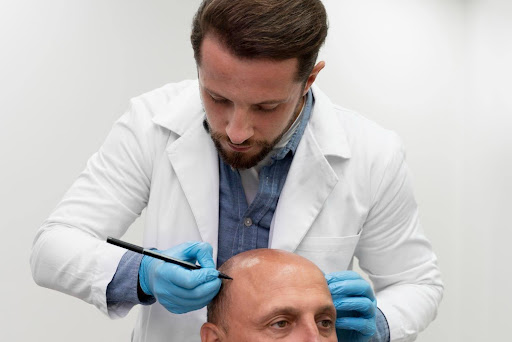
Hair loss can affect confidence, appearance, and daily interactions, making many people explore long-term solutions instead of temporary fixes. Advances in medical aesthetics have made hair transplantation a reliable option for restoring natural-looking hair growth. However, before choosing a procedure, people often want to understand the treatment process, recovery journey, and comfort level involved. Many individuals researching hair transplant price Dubai also want clarity about what influences the cost and whether the experience is manageable from a comfort perspective.
A successful hair restoration journey is not only about achieving thicker hair. It also involves selecting the right technique, understanding expectations, following medical guidance, and preparing mentally for the transformation ahead. Learning about every stage helps individuals make confident and informed decisions.
The Hair Transplant Procedure
Hair transplantation is a process where healthy hair follicles are carefully collected from a donor area and implanted into areas experiencing thinning or baldness. Modern techniques focus on precision to create a natural appearance that blends with existing hair.
Before the procedure begins, the scalp is prepared, and local anaesthesia is used to minimise discomfort. The specialist carefully places follicles according to natural hair direction, ensuring the final growth pattern looks balanced.
The duration of the procedure depends on the number of grafts required and the complexity of the case. While the process may take several hours, patients usually remain comfortable and can communicate with the medical team throughout the treatment.
Exploring Comfort During Hair Transplantation
One of the biggest concerns among people considering hair restoration is the level of discomfort they may experience. The idea of a surgical procedure can create anxiety, but modern methods are designed to make the experience as comfortable as possible.
Local anaesthesia plays an important role in reducing sensations during the procedure. Most patients report feeling minor pressure or movement rather than significant pain. The initial injections may cause slight discomfort, but this usually lasts only briefly.
Understanding the hair transplant pain level helps individuals prepare realistically. Comfort can vary depending on personal sensitivity, treatment duration, and individual healing response. Clear communication with the medical team can also improve the overall experience.
Recovery Journey After The Procedure
The recovery period is an essential part of achieving successful results. After transplantation, the scalp may experience temporary redness, swelling, or mild sensitivity. These effects are generally part of the natural healing process.
Patients are usually provided with aftercare instructions that explain how to wash the scalp, protect newly implanted follicles, and avoid activities that may interfere with recovery. Following these recommendations helps support healthy hair growth.
The transplanted follicles enter a gradual growth cycle. New hair growth does not happen immediately because the follicles require time to adjust and develop. Patience plays an important role during this stage.
Timeline of Hair Growth Results
Hair restoration is a gradual transformation rather than an overnight change. After the initial recovery period, some transplanted hairs may shed temporarily. This is a normal phase and does not mean the procedure has failed.
Over the following months, new growth begins as follicles become active. The thickness, texture, and overall appearance continue improving with time. Many individuals notice significant changes as the hair matures.
Maintaining realistic expectations allows patients to appreciate each stage of the process. Regular follow-ups with specialists can help monitor progress and address any concerns during recovery.
Choosing The Right Hair Restoration Technique
Different hair transplant techniques are available depending on individual requirements. The two commonly discussed methods are Follicular Unit Extraction and Follicular Unit Transplantation. Each approach has specific advantages depending on factors such as donor hair quality, desired results, and treatment goals.
A suitable technique should be selected after professional evaluation rather than based only on popularity. The right method focuses on achieving natural density while preserving the health of existing hair. Understanding factors such as treatment complexity and hair transplant pain level can also help individuals prepare better for the overall experience.
Technology and medical expertise continue to improve hair restoration procedures. Advanced tools allow specialists to work with greater accuracy and create results that appear natural.
Preparing For A Comfortable Treatment Experience
Preparation before the procedure can make the overall journey smoother. Patients should discuss their medical history, medications, and expectations during consultations. Understanding the process reduces uncertainty and helps create confidence.
Following pre-treatment instructions is also important. Simple steps such as maintaining scalp hygiene and avoiding certain activities before the procedure may support better preparation.
Mental preparation is equally valuable. Knowing what happens before, during, and after treatment allows individuals to approach the procedure with realistic expectations instead of unnecessary worry.
Long-Term Care For Transplanted Hair
A hair transplant provides a foundation for restoring appearance, but maintaining overall hair health remains important. A balanced lifestyle, proper scalp care, and professional guidance contribute to long-term results.
Existing hair may continue to experience natural changes over time, so ongoing care can help preserve overall hair quality. Specialists may suggest suitable treatments or routines based on individual conditions.
Protecting the investment made in hair restoration requires commitment beyond the procedure itself. Consistent care supports healthier and more sustainable outcomes.
Conclusion
Hair transplantation has become a trusted solution for individuals looking to address hair loss with advanced medical techniques. Understanding the procedure, recovery stages, and comfort factors allows people to approach treatment with better awareness and realistic expectations. The overall experience becomes more manageable when individuals have clear information about the process, possible outcomes, and necessary aftercare steps. Choosing the right approach based on personal hair goals and professional guidance can significantly influence long-term satisfaction. By learning about treatment options, including factors that affect hair transplant price Dubai, individuals can make informed decisions while focusing on quality, safety, and natural-looking results. With a patient-focused approach, Cutis International provides personalised hair restoration solutions designed to meet individual needs and aesthetic goals. The clinic combines advanced techniques with experienced specialists to support patients throughout their transformation journey. From consultation to aftercare guidance, Cutis International focuses on delivering a comfortable experience while helping individuals achieve confident and natural-looking hair restoration outcomes.


