Entering the forex market requires more than understanding currency movements or predicting price trends. A trader’s success often depends on the foundation they build before placing their first trade. The structure, features, and flexibility of a forex trading account can significantly influence how efficiently traders access markets, manage risks, and execute strategies.
Selecting the right account is not simply about opening a platform and starting transactions. It involves evaluating the tools, conditions, security measures, and support features that align with individual trading goals. A well-designed account can help traders approach the market with greater confidence and discipline.
Understanding the Core Structure of a Trading Account
A forex trading account acts as the gateway between traders and global currency markets. It provides access to trading platforms, market information, execution tools, and account management features that support daily trading activities. While different accounts may offer varying conditions, an effective account generally includes several essential components that help traders make informed decisions.
Account Type and Trading Conditions
One of the first factors traders should assess is the account structure. Different account types may be designed for beginners, active traders, or professionals with advanced strategies.
Important conditions to review include:
- Minimum deposit requirements: Traders should select an account that matches their available capital and risk tolerance.
- Spread and pricing structure: Trading costs can directly affect profitability, especially for frequent traders.
- Leverage availability: Leverage can increase market exposure but also requires careful risk management.
- Execution speed: Fast and reliable order processing can be important during changing market conditions.
Market Access and Trading Flexibility
An effective forex account should provide smooth access to currency pairs and market opportunities that match a trader’s strategy. The availability of different instruments allows traders to diversify their approach and respond to various market conditions.
Market access involves more than the number of available currency pairs. Traders should also consider:
- The reliability of price information.
- Trading hours and market availability.
- Order execution methods.
- Compatibility with different trading approaches.
The Role of Trading Tools and Technology
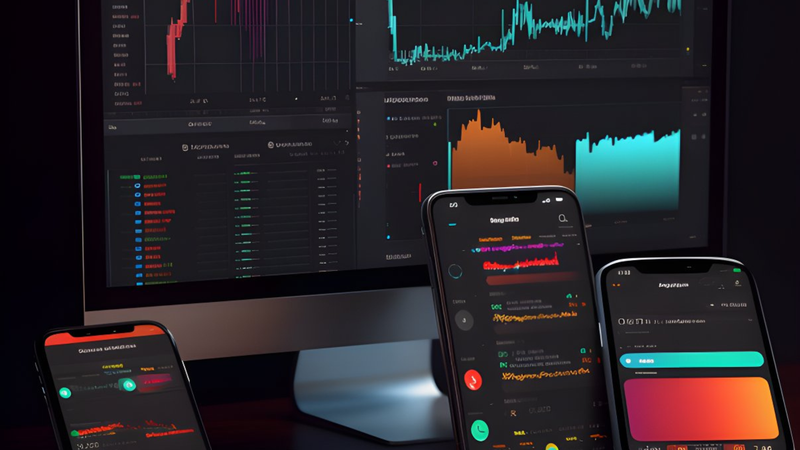
Technology plays a major role in modern forex trading. A strong account should provide access to tools that support analysis, decision-making, and trade management.
Analytical Features for Better Decisions
Market analysis tools help traders study price movements and identify potential opportunities. These may include:
- Technical indicators.
- Charting tools.
- Economic calendars.
- Market analysis resources.
- Real-time price updates.
Platform Performance and Accessibility
A trading platform should offer a smooth experience across different devices. Traders often monitor markets from computers, tablets, or mobile devices, making accessibility an important consideration.
Key platform factors include:
- User-friendly navigation.
- Stable performance.
- Customizable layouts.
- Efficient order placement.
- Account monitoring features.
Risk Management Features Every Trader Should Consider
Forex trading involves market uncertainty, making risk management one of the most important elements of an effective account. Traders who understand and use risk controls can better protect their capital during unpredictable market movements.
Useful risk management features include:
Stop Loss and Take Profit Options
Stop loss orders help limit potential losses by automatically closing a position when the market reaches a predetermined level. Take profit orders allow traders to secure gains once a target price is achieved. These tools encourage disciplined trading by reducing emotional decision-making.
Position Management Controls
Traders should evaluate whether an account supports proper position sizing and trade monitoring. Managing trade volume carefully helps maintain balance between potential returns and acceptable risk levels. A well-structured forex trading account should support responsible decision-making by providing features that help traders control exposure and maintain consistent strategies.
Transparency and Cost Awareness
Clear information about trading costs is essential when evaluating any forex account. Traders should understand how fees, spreads, commissions, and other charges may influence overall performance. Transparency allows traders to compare account conditions accurately and avoid unexpected expenses.
Before selecting an account, traders should review:
- Trading fees and commissions.
- Spread details.
- Withdrawal and deposit conditions.
- Account maintenance charges.
- Available reporting features.
A transparent account structure helps traders make decisions based on real costs rather than assumptions.
Security and Account Protection Measures
Security is a critical consideration in online trading. Since trading accounts involve financial transactions and personal information, traders should examine the protective measures available.
Important security factors include:
- Secure account access systems.
- Data protection practices.
- Identity verification procedures.
- Reliable transaction processes.
Factors to Evaluate Before Choosing an Account
Selecting the right account requires careful evaluation of personal trading goals, experience level, and preferred strategy. An account that works well for one trader may not suit another.
Before making a decision, traders should consider:
Trading Experience
New traders may benefit from simple account structures with educational resources and straightforward tools. Experienced traders may require advanced features, faster execution, and greater flexibility.
Trading Goals
Traders should identify whether they are focused on short-term opportunities, long-term market analysis, or portfolio diversification. Account features should support these objectives.
Cost Efficiency
Lower trading costs can be valuable, but traders should consider overall account quality rather than focusing only on pricing. A cheaper account may not provide the tools or reliability needed for effective trading.
Reliability and Support
Consistent platform performance and accessible assistance can improve the overall trading experience. Traders should evaluate whether the account environment supports their needs during normal and challenging market conditions.
Building Better Trading Habits Through Account Management
Opening an account is only the beginning of a trader’s journey. Effective account management requires continuous evaluation, discipline, and improvement. Successful traders often maintain structured habits, including reviewing past trades, monitoring performance, adjusting strategies, and controlling emotional reactions. The account itself provides the tools, but responsible usage determines how effectively those tools contribute to trading outcomes. A thoughtful approach to account management helps traders develop consistency and make better decisions over time.
Conclusion
Choosing the right account structure is a crucial step for anyone entering currency markets. A reliable forex trading account should offer suitable trading conditions, advanced tools, strong security measures, transparent costs, and effective risk management features. Traders should carefully assess their experience, goals, and strategies before selecting an account that supports their approach.
The effectiveness of an account depends on how well it enables informed decisions, disciplined execution, and responsible risk management. Understanding account features and maintaining proper trading habits can help individuals build a stronger foundation for long-term market participation. With its focus on creating a structured trading environment, Riyadex supports traders by offering the tools and features needed to approach forex markets with greater confidence and clarity.