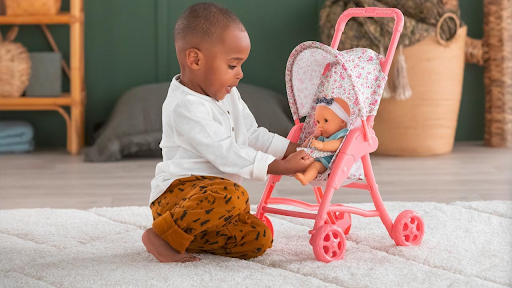
Choosing the right doll for a child’s age group supports safe play, learning, creativity, and emotional development. Different stages of childhood bring unique interests and abilities, making age-appropriate toys an important part of healthy growth. A well-selected doll can encourage imagination, improve communication skills, and provide comfort during everyday play. Materials, size, features, and design all play a role in making a toy suitable for a particular age. Understanding these differences helps parents and caregivers select options that match developmental needs while creating enjoyable and meaningful play experiences that continue to inspire confidence and creativity over time.
Why Age Matters When Choosing a Doll
A child’s developmental stage influences the type of doll that offers the greatest value. Younger children benefit from simple, soft designs that are easy to hold and safe during play. As children grow, interests expand toward dolls with accessories, themed outfits, or interactive features that encourage storytelling and imaginative role-play.
Age recommendations also consider safety. Small detachable parts, complex mechanisms, and delicate accessories may not be suitable for toddlers. Choosing an age-appropriate doll creates a safer and more enjoyable experience while supporting important learning milestones.
Best Doll Choices for Babies (0–12 Months)
Babies respond well to soft textures, bright colors, and gentle facial expressions. Plush dolls made from washable fabric provide comfort while introducing the concept of pretend play at an early stage. Lightweight designs are easier for tiny hands to hold and cuddle.
Important features for this age include embroidered facial details instead of plastic pieces, soft filling, and machine-washable materials. A simple doll can become a comforting companion during naps, travel, and quiet playtime.
Ideal Doll Options for Toddlers (1–3 Years)
Toddlers begin copying daily routines through pretend play. A larger soft-bodied doll allows simple activities such as hugging, carrying, feeding, or putting the doll to sleep. These actions help strengthen fine motor skills while encouraging emotional expression.
Strong stitching, rounded edges, and durable construction are valuable features at this stage. Simple clothing that is easy to remove and replace also helps improve hand coordination without causing frustration.
Choosing a Doll for Preschool Children (3–5 Years)
Preschool children enjoy creating imaginative stories and role-playing different situations. A doll with changeable clothes, simple accessories, or themed characters encourages creative thinking and language development.
Different career-themed dolls, family dolls, or baby dolls introduce children to everyday responsibilities and social situations. Dressing, feeding, and caring for a doll also help develop patience, responsibility, and confidence during pretend play.
Best Doll Choices for Children Aged 5–8 Years
Children in this age group often enjoy more detailed dolls that include accessories, houses, pets, or creative playsets. Storytelling becomes more advanced, making themed dolls especially engaging.
Fashion dolls, collectible dolls, and character-inspired dolls allow children to build imaginative worlds while expressing creativity. Activities such as changing outfits, arranging accessories, and creating pretend adventures improve organizational skills and encourage longer periods of focused play.
Selecting a Doll for Older Children (8 Years and Above)
Older children often appreciate dolls with artistic details, unique designs, or collectible value. Fashion styling, customization, and themed collections become more interesting during this stage.
Creative hobbies may include designing outfits, arranging displays, or collecting limited-edition dolls. These activities promote artistic expression while encouraging patience, attention to detail, and personal creativity.
Safety Features to Consider
Safety remains important regardless of age. A quality doll should use child-friendly materials and sturdy construction. Fabric should feel comfortable, stitching should remain secure, and accessories should match the recommended age range.
Regular cleaning also helps maintain hygiene, especially for younger children who frequently cuddle or carry toys throughout the day. Washable materials and durable fabrics make maintenance much easier while extending the toy’s lifespan.
Educational Benefits of Playing with a Doll
A doll offers much more than simple entertainment. Pretend play helps children understand emotions, practice communication, and develop empathy. Everyday role-play activities introduce routines such as caring, sharing, and problem-solving in a fun and natural way.
Creative storytelling strengthens vocabulary and encourages independent thinking. Dressing dolls improves hand-eye coordination, while creating imaginary situations develops planning skills and confidence during social interactions.
Different Types of Doll Materials
Material selection affects comfort, durability, and maintenance. Soft fabric dolls provide excellent comfort for younger children and are generally easier to clean. Vinyl dolls offer realistic details while remaining durable for active play. Plastic fashion dolls often include movable joints and stylish accessories that appeal to older children.
Choosing the right material depends on age, intended use, and personal preference while maintaining safety and long-lasting quality.
Simple Tips for Choosing the Right Doll
Several practical points can make selection easier:
- Follow the recommended age range provided by the manufacturer.
- Choose durable materials suitable for regular play.
- Avoid small removable parts for younger children.
- Select washable options whenever possible.
- Match the doll’s features with the child’s interests.
- Consider educational and imaginative play opportunities alongside appearance.
A thoughtful choice provides lasting enjoyment while supporting healthy emotional and cognitive development.
Bachaa Party Makes Doll Shopping Easier
Bachaa Party offers a wide variety of doll options designed for different age groups, interests, and play styles. Soft dolls for babies, adorable baby dolls for toddlers, fashion dolls for older children, and imaginative play sets make it easier to find age-appropriate choices in one place. High-quality materials, attractive designs, and trusted toy collections provide both entertainment and developmental value. A diverse selection allows families to choose a doll that matches different stages of childhood while encouraging creativity, imaginative play, emotional growth, and many memorable moments through safe and enjoyable everyday play.