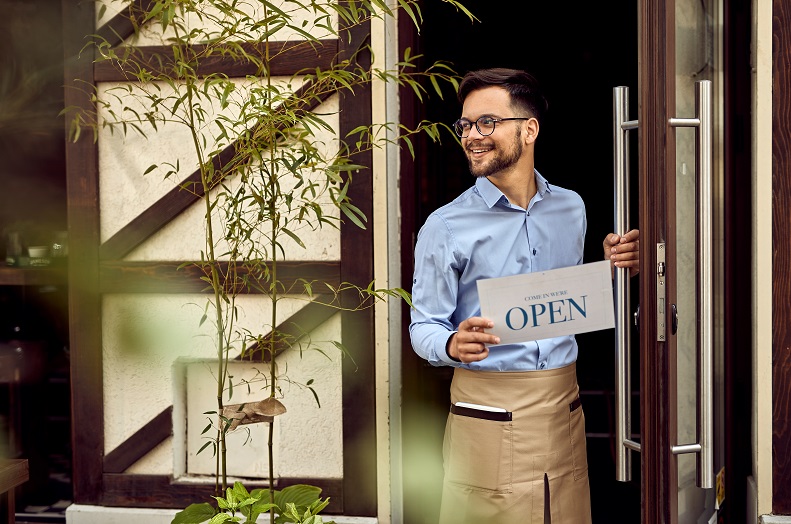
In New York City, your shopfront needs to work in limited space, changing weather and busy streets. An awning can provide shade, protect customers from light rain and make your business easier to recognise. However, choosing the right option involves more than selecting a colour or fabric. You need to consider your building, pavement space, local regulations and maintenance needs. This guide explains the key factors to help you make an informed decision when installing or upgrading an awning for your NYC business.
Why Storefront Awnings Are Useful For NYC Businesses
Awnings can improve the appearance and practical use of your shopfront. For businesses on busy streets, they also create a visible area for branding.
- Improved Visibility: A well-designed awning can display your business name, logo or brand colours. This helps customers identify your premises among neighbouring shops, particularly on retail streets in Manhattan or Brooklyn.
- Weather Protection: An awning provides shade during sunny weather and shelter from light rain. It can also make the entrance more comfortable for customers waiting outside.
- Better Shopfront Appearance: A suitable design can complement your building’s architecture and create a more consistent look across your exterior.
- Potential Energy Benefits: Depending on its position and the building’s orientation, an awning can reduce direct sunlight through shop windows and help limit indoor heat gain during warmer months.
Types Of Storefront Awnings To Consider
The right awning depends on your building’s layout, budget and intended use. Understanding the main options makes it easier to compare designs.
Retractable Awnings
Retractable awnings extend when shade is needed and fold away when they are not in use. They can suit cafés, restaurants and shops that want flexibility throughout the day. However, they need suitable mounting points and should be retracted during adverse weather according to the manufacturer’s guidance.
Fixed Awnings
Fixed awnings remain in place throughout the year. They are a practical choice for shops that want a permanent feature above the entrance or display windows. The frame and covering must be suitable for local weather conditions, including wind and snow loads where applicable.
Fabric And Metal Awnings
Fabric awnings offer flexibility in colour, pattern and printed branding. Metal options provide a more rigid structure and may suit businesses seeking a durable, architectural appearance. Compare the maintenance requirements, weather resistance and replacement costs before choosing a material.
What To Check Before Installing An Awning
Before committing to a design, assess the physical conditions around your premises. A well-planned installation should suit the building as well as your business needs.
- Building Restrictions: Check whether your landlord, building management or historic district imposes restrictions on exterior alterations, colours or materials.
- Pavement Clearance: In NYC, awnings over public pavements may need to meet projection, height and clearance requirements. Confirm the applicable rules before finalising measurements.
- Weather Resistance: Choose materials and fixings suitable for local wind, rain, snow and temperature changes. Ask the installer how the structure will be secured and maintained.
- Access And Visibility: Ensure the awning does not obstruct entrances, signs, streetlights or pedestrian movement. Consider how far it projects over the pavement.
- Maintenance: Establish how often the covering, frame and fixings need inspection. Easy-to-clean materials can help maintain a professional appearance.
Understanding NYC Permits And Building Requirements
New York City has specific requirements for structures that project over public spaces. Depending on the awning’s design, location and installation, approvals or permits may be necessary.
Check the current requirements with the NYC Department of Buildings and, where public-space projections are involved, the relevant city authority. Additional restrictions may apply to landmarked buildings or properties within historic districts. Do not assume that an existing awning automatically makes a replacement design compliant.
If you lease your premises, obtain the property owner’s approval before arranging installation. Confirm the required permissions early to avoid delays, redesign costs or potential enforcement issues.
How To Choose The Right Awning Design
Your awning should support your business identity without overwhelming the building’s exterior. Consider how it will look from across the street and at pedestrian level.
Choose colours that complement your existing signage and shopfront. Use readable lettering rather than filling the entire surface with promotional text. For example, a neighbourhood bakery might choose a striped fabric awning with its name clearly displayed, while a modern boutique could prefer a simple solid colour with discreet branding.
Measure the available space carefully and request a detailed installation plan. Comparing material samples, frame finishes and maintenance requirements can also help you make a more informed choice.
FAQs
- Do NYC Businesses Need A Permit For Awnings?
Some installations require permits or other approvals, depending on their design, location and projection over public space. Check the applicable city requirements before proceeding.
- Which Awning Material Is Best For New York Weather?
There is no single best material for every property. Weather-resistant fabrics and properly finished metal structures can both work well when selected for the intended exposure and maintained correctly.
- Can You Put Your Business Logo On An Awning?
Yes, branding can be incorporated into many awning designs. Check building restrictions and applicable sign regulations before finalising the layout.
- How Often Should An Awning Be Maintained?
Inspect it regularly for loose fixings, damaged fabric, corrosion and signs of water accumulation. Follow the manufacturer’s maintenance instructions and arrange professional repairs when necessary.
- Can An Awning Be Installed On A Rented Shopfront?
It may be possible, but you should obtain written permission from the property owner and confirm any building or city approvals required for the proposed installation.
Conclusion
Choosing an awning for your NYC shopfront requires careful consideration of materials, weather exposure, building restrictions and pedestrian clearance. Check the relevant requirements before installation and prioritise a design that combines durability with clear branding.
With experience in signage, displays and branded environments, companies such as Velement can help businesses consider how exterior features fit into a wider visual identity. Selecting suitable storefront awnings can help you create a more recognisable, functional and welcoming entrance for your customers.

