Recent revisions in the tariff structure have brought a wave of optimism to Mumbai’s suburban homes, as consumers eagerly anticipate the financial relief from Adani Electricity’s second tariff cut in two years. This change marks a significant shift, promising substantial savings for households across the region. With the new fiscal year approaching, understanding how these savings can be effectively managed is crucial, especially in relation to Adani electricity bill payments.
The Maharashtra Electricity Regulatory Commission (MERC) has approved tariff reductions affecting over 34 lakh Adani Electricity consumers, enabling them to save nearly Rs. 1,350 annually. These cuts are especially impactful for middle-income families in suburban areas, who wrestle with rising living costs. By maximizing this benefit, consumers can not only ease their financial burdens but also develop a more sustainable approach to their electricity usage.
Understanding the new tariff structure
The recent approval of Adani Electricity’s tariff cut aims to benefit a vast segment of the consumer base. The reduction has been structured in a way that directly impacts residential connections, allowing consumers to enjoy lower rates per unit consumed. Consumers should take the time to assess how their monthly consumption will be affected by this new pricing structure.
To make the most of this reduction, it’s essential to understand how the tariff is calculated. The basic calculation involves assessing the number of units consumed, as well as applicable fixed charges. Adani Electricity’s consumers can log in to their accounts for a detailed breakdown of their energy consumption to keep track of what impacts their bills. They can also use adani electricity bill payment services to pay their bills conveniently and stay up to date with their electricity expenses. The potential financial benefits brought by this tariff adjustment can be considerable, making it worthwhile for residents to monitor their usage closely.
A practical step towards enhanced financial management involves individuals estimating their monthly consumption and aligning it with this new tariff structure. By understanding patterns and making conscious changes, householders can strive to consume within the lower tariff brackets, thus enhancing their savings.
Utilising digital tools for bill management
To leverage these savings, consumers must adopt efficient management practices for their Adani Electricity bill payments. As the fiscal year progresses, a critical aspect of managing household budgets will involve timely payments and monitoring longstanding bills effectively. An invaluable tool for achieving this is the option to download one’s bills through the Adani Electricity online portal.
By opting for the Adani electricity bill download feature, consumers can keep thorough records of their bills. This becomes particularly useful during the transition to the new tariff structure, as it allows homeowners to directly compare their historical bills with their current liabilities. Having clear documentation can ensure better financial planning and can serve as a benchmark for recognizing savings.
Additionally, timely bill payments often lead to preventing any penalties or late fees, ensuring the complete benefit from reduced tariffs. Regularly reviewing bills helps in identifying any discrepancies or unexpected charges.
Tips to ensure savings stick in FY27
To ensure savings from the second tariff cut remain effective throughout FY27, it’s prudent for households to adopt strategies aimed at reducing energy consumption. Some of the basic steps include:
- Using energy-efficient appliances: Replacing older appliances with energy-efficient models can significantly reduce electricity consumption. Many electronic devices now boast better efficiency ratings.
- Regular maintenance of HVAC systems: Ensuring that heating and cooling systems are regularly maintained can lead to higher performance and lower overall energy usage.
- Taking advantage of off-peak hours: If possible, using appliances during off-peak hours can lead to reduced energy costs, even under the new tariff structure.
- Implementing smart home technology: Smart plugs and programmable thermostats can allow for greater control over energy usage, automatically adjusting consumption based on patterns.
- Educating family members on energy conservation: Creating awareness about energy usage among family members can lead to more sustainable practices throughout the household.
Paying through Bajaj Pay
For hassle-free Adani Electricity bill payments, Bajaj Pay, the Bharat Connect payments platform on Bajaj Finance, is a reliable option. Bajaj Pay does not charge any fees for transactions, and users can pay either through the Bajaj Finance App or website. The process is straightforward:
- Select the ‘Electricity Bill Payment’ option.
- Enter your consumer ID.
- Review the payment amount displayed.
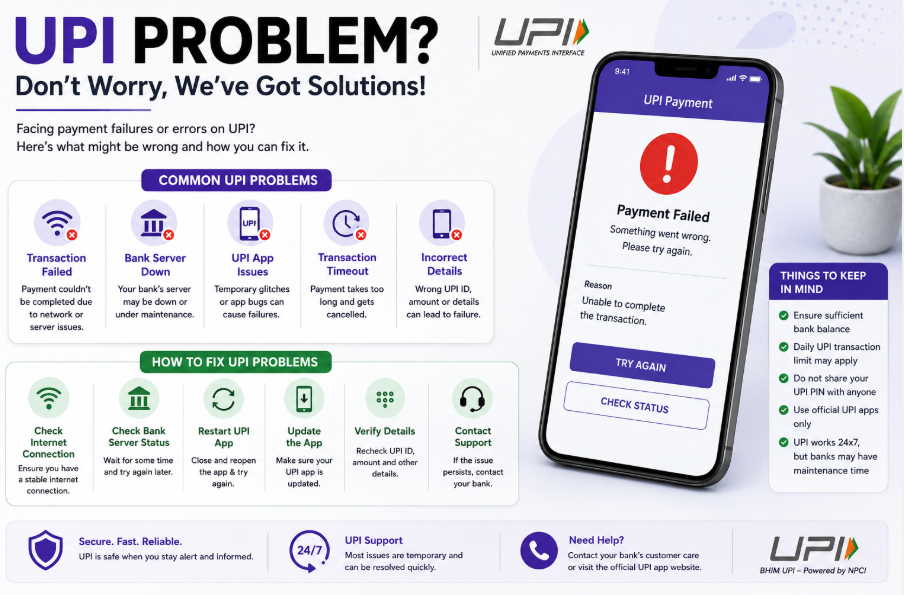
- Complete the payment via credit/debit card, UPI, or net banking.
- Receive an instant payment receipt for your records.
This seamless approach to bill payments not only ensures efficiency but also allows for tracking expenditures effortlessly.
Conclusion
The recent tariff cut approved for Adani Electricity offers a promising opportunity for suburban households in Mumbai to save on their electricity bills. By understanding the new pricing structure and implementing effective management practices alongside digital tools, residents can ensure these savings stick throughout FY27. For ease of bill payments, consider using Bajaj Pay, which provides a zero-fee platform for transactions, making it easier for consumers to navigate their financial obligations effectively.