Sewer and drainage systems require reliable flow management during maintenance, construction, inspections, and repair work. Temporary isolation helps workers access specific sections without unnecessarily disturbing the wider network.
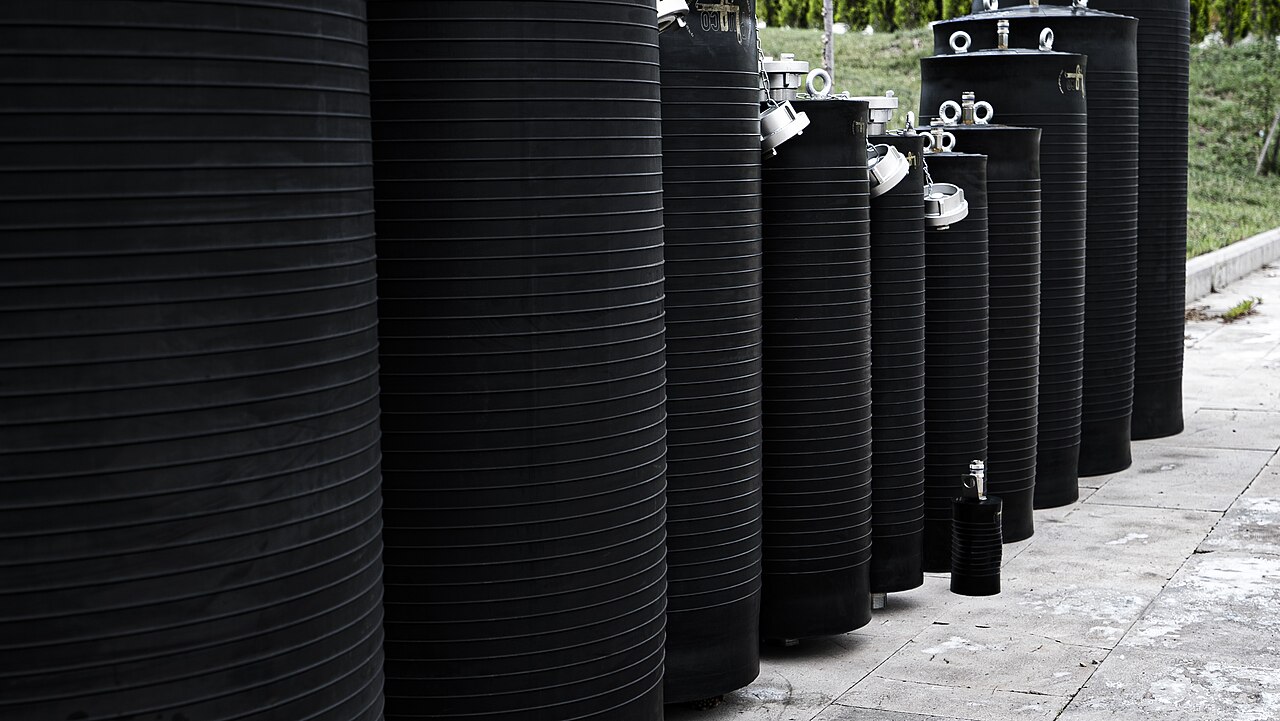
Among the equipment used for these applications, a temporary pipe plug provides a practical way to restrict flow and create an isolated working area. Inflatable designs can be positioned inside pipelines and expanded to form a seal, making them useful for maintenance, testing, cleaning, and emergency intervention. Selecting the right plug for pipe dimensions, operating conditions, and required pressure is essential for safe, effective use.
Flexible Flow Control Supporting Modern Sewer Operations
Temporary isolation gives maintenance teams greater control when specific sections of a drainage network require inspection, testing, or repair.
1. Creating Controlled Working Sections
Maintenance work becomes easier when a pipeline can be isolated from the rest of the drainage system. An inflatable plug can create a temporary barrier within a selected section, helping reduce unwanted flow during planned work. This allows technicians to focus on repairs or inspections without unnecessarily interrupting the entire network. Proper positioning and secure installation remain important because water or sewage pressure can place considerable force on the plug during operation.
2. Supporting Pipeline Maintenance Activities
Sewer systems require regular maintenance to identify blockages, damaged sections, leaks, and other operational problems. A temporary pipe plug can help isolate the affected area before cleaning, inspection, or repair begins. By restricting flow at a specific location, technicians can work within a more controlled environment. This approach can also reduce disruption to surrounding sections of the drainage network, particularly when maintenance must be completed quickly in active residential, commercial, or infrastructure environments.
3. Improving Leak And Pressure Testing
Testing requires a properly isolated section of pipeline so that technicians can evaluate its integrity. Inflatable plugs can help create the required boundary before water or air is introduced for testing. If pressure changes unexpectedly, technicians can investigate the isolated section for potential leaks or structural weaknesses. Always select the plug based on the required testing conditions and the manufacturer’s specifications. Proper preparation helps produce more reliable results while reducing unnecessary testing risks.
4. Supporting Flow Diversion Requirements
Some projects require temporarily redirecting wastewater or water while work is underway. Specialized inflatable plugs can support controlled flow diversion when used with appropriate bypass arrangements. This can be particularly useful during construction, rehabilitation, or maintenance projects where completely stopping a drainage network may not be practical. Careful planning is necessary to determine flow volume, upstream conditions, bypass capacity, and plug requirements before installation begins.
Selecting The Right Plug For Pipeline Applications
An inflatable plug’s effectiveness depends on selecting equipment that matches the pipeline, operating environment, and intended application.
1. Matching The Pipe Diameter
Correct sizing is one of the most important considerations when selecting an inflatable sewer plug. The plug must have an operating range that fits the pipe’s internal diameter. A poor fit can compromise sealing performance and increase operational risk. Before installation, technicians should verify the actual pipe dimensions rather than relying only on assumptions from project drawings. Multi-size options can provide greater flexibility across projects involving different pipe diameters.
2. Considering Pressure Requirements
Inflatable plugs are exposed to forces from water, sewage, or test pressure. Therefore, clearly understand the allowable back pressure and inflation requirements before use. These ratings should never be exceeded. Teams should review manufacturer specifications and consider the pressure conditions expected at the installation location. Where significant hydraulic forces are present, appropriate external restraint and additional safety measures may be necessary to prevent unexpected plug movement or failure.
3. Assessing Pipe Surface Conditions
The internal condition of a pipeline can affect sealing performance. Sharp debris, rough surfaces, damaged sections, or irregular pipe shapes may create challenges during installation. Cleaning and inspecting the pipe before positioning the plug can help reduce the risk of abrasion or damage. Technicians should also check the plug itself for cuts, wear, deformation, or other visible defects before every application. Regular inspection supports safer and more consistent performance.
4. Choosing Between Standard And Bypass Designs
Different projects require different plug configurations. Standard inflatable plugs can provide temporary isolation when flow needs to be stopped, while bypass designs can help maintain controlled movement through the system during work. Multi-size plugs may provide additional flexibility for projects involving different pipe dimensions. The selection should therefore consider whether complete isolation or continued controlled flow is required, as well as the project’s pressure, access, and operational requirements.
Safe Installation Practices For Reliable Pipe Isolation
Safe use depends on preparation, correct installation, pressure control, and continuous monitoring throughout the operation.
Before installing a plug, technicians should assess the pipeline, identify potential hazards, clean the working area, and confirm the appropriate equipment. Once positioned, the plug should be inflated only according to its specified requirements. Workers should remain clear of hazardous areas where possible and avoid treating an inflatable device as the sole protection against hydraulic forces. During testing or isolation, pressure should be monitored using suitable equipment, and the plug should be released only after conditions have been safely controlled.
Maintenance Practices Supporting Long-Term Plug Performance
Regular inspection and proper storage help preserve inflatable equipment between applications and support dependable performance during future projects.
Plugs should be cleaned after use to remove dirt, wastewater residue, oil, and other contaminants that may affect their materials. They should then be dried thoroughly and inspected for cuts, cracks, bulges, abrasion, or other damage. Hoses, inflation equipment, valves, and gauges should also be checked before storage. Keeping equipment away from excessive heat, direct sunlight, and damaging chemicals can help preserve material quality. Proper maintenance also makes it easier for teams to identify equipment that requires servicing or replacement before the next project.
Conclusion: Reliable Solutions For Sewer Flow Management
Inflatable sewer pipe plugs provide practical support for temporary isolation, maintenance, leak testing, flow control, and emergency response. Their flexibility makes them useful across different pipeline environments, but safe performance depends on correct sizing, pressure management, inspection, installation, and ongoing maintenance.
For projects requiring inflatable sewer pipe plugs in Dubai, JB Allo Sewage provides pipe-plugging solutions designed for maintenance, testing, flow control, and temporary sealing. With experience across sewage and drainage applications, they support clients with installation, rental, removal, and specialized pipe-plugging services to help projects maintain controlled, efficient drainage operations.