Sports can put considerable stress on the knees through sudden turns, jumps, stops, and changes in direction. A simple twist may cause pain, while a stronger force can damage a ligament or meniscus. Understanding these injuries can help active people recognize when professional care may be needed.
An orthopedic surgeon looks at more than the location of pain. The type of injury, knee stability, activity level, and symptoms all help shape treatment. Some injuries respond to rehabilitation, while others may require surgery. Knowing how treatment progresses can help patients make informed choices and approach recovery with greater confidence.
When Should a Sports-Related Knee Injury Be Evaluated?
Not every sore knee after exercise indicates serious damage. Temporary discomfort can sometimes improve with rest and appropriate activity changes. However, pain that continues, swelling after an injury, or repeated instability should not be ignored.
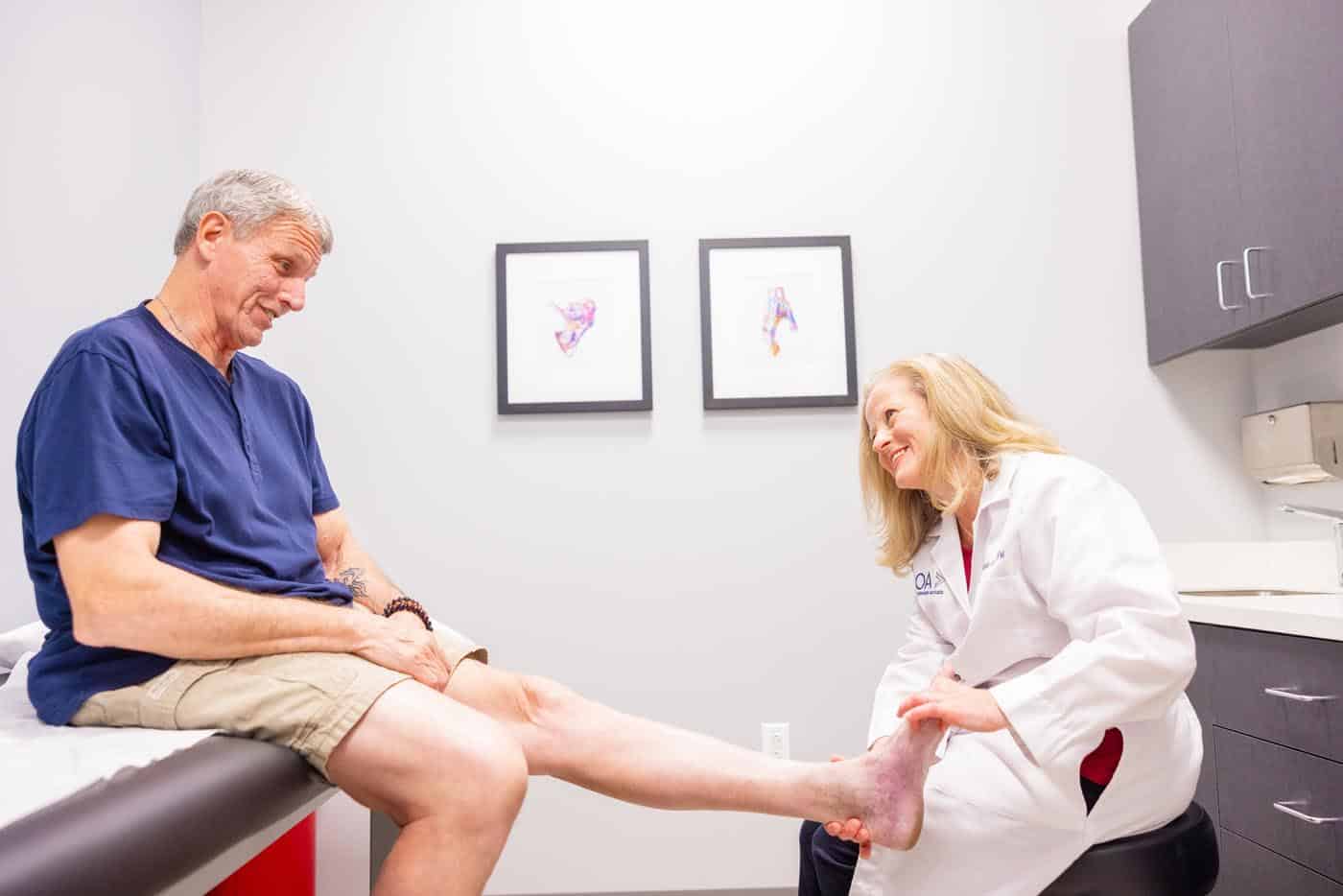
A detailed assessment helps determine which part of the knee may be affected. The doctor may ask how the injury occurred and whether there was a popping sound, immediate swelling, or difficulty putting weight on the leg. A physical examination can assess movement, tenderness, strength, and stability.
Imaging may also be recommended when further information is needed. X-rays can help assess bones and joint changes, while MRI scans can provide clearer information about ligaments, menisci, and other soft tissues.
Common Knee Injuries Seen in Active People
Sports can affect different structures within the knee. The treatment depends on the location and extent of damage, along with the patient’s symptoms and functional needs.
-
ACL Injuries
The anterior cruciate ligament helps control knee stability during movement and rotation. An ACL tear may occur during sudden direction changes, awkward landings, or sports-related collisions. Some patients may benefit from rehabilitation, while reconstruction can be considered when instability remains significant.
-
PCL Injuries
The posterior cruciate ligament helps prevent excessive backward movement of the shin. PCL injuries can follow direct impacts or certain twisting forces. Treatment depends on the severity of the injury and the level of instability present.
-
Meniscus Tears
The menisci provide cushioning between the thighbone and shinbone. A tear can lead to pain, swelling, clicking, catching, or restricted movement. Depending on the tear, its location, and the condition of the tissue, treatment may involve rehabilitation or meniscus repair.
-
Knee Instability
A feeling that the knee may give way can develop after ligament damage or another structural injury. Repeated instability can interfere with sports and routine activities. Treatment focuses on the underlying problem and may include strengthening, rehabilitation, or surgical care when appropriate.
-
Cartilage Damage
Cartilage helps joints move smoothly. Sports injuries can sometimes damage cartilage and cause pain, swelling, or stiffness. The treatment approach depends on the extent and location of the damage and how much it affects knee function.
How Treatment Is Selected for a Sports-Related Knee Injury
Treatment is not selected only from an imaging report. A complete evaluation considers the patient’s symptoms, physical findings, activity requirements, imaging results, and previous treatment. General health and recovery expectations may also influence the plan.
An orthopedic surgeon may recommend non-surgical treatment when the knee remains sufficiently stable, and symptoms can be managed through rehabilitation. Surgery may be considered when significant structural damage causes persistent instability or limits function. Procedures such as ACL reconstruction, PCL reconstruction, and meniscus repair may be appropriate for selected patients.
The patient’s activity goals can also matter. Someone who wants to return to a demanding sport may have different functional requirements from someone whose main goal is comfortable daily movement. Discussing these factors helps create a more suitable treatment plan.
Signs That May Require Specialist Knee Care
Certain symptoms can provide a reason to seek professional evaluation after a sports injury. Early assessment does not always mean surgery. It helps clarify the nature of the injury and identify suitable treatment options.
Consider seeking specialist care if you experience:
- Sudden knee pain after twisting or impact
- Swelling that develops after an injury
- A popping sensation during the injury
- Repeated episodes of the knee giving way
- Difficulty fully bending or straightening the knee
- Persistent pain during exercise or sports
- Clicking or catching that affects knee movement
These symptoms can have different causes, so self-diagnosis may not provide a clear answer. A clinical assessment can help identify the affected structure and determine whether further testing or treatment is needed.
The Role of Arthroscopy and Rehabilitation
Some internal knee problems can be treated through arthroscopic procedures. Arthroscopy uses a small camera and specialized instruments to examine and treat structures inside the joint. It may be used for selected sports injuries, including certain ligament and meniscus problems.
Rehabilitation remains important whether treatment is surgical or non-surgical. Early rehabilitation may focus on controlling swelling, restoring movement, and rebuilding basic strength. Later stages can involve balance, coordination, strength, and sport-specific movements.
A gradual progression is important because the knee needs time to regain strength and control. Returning to demanding activity too quickly may place additional stress on healing tissues. The rehabilitation plan should therefore reflect the patient’s progress and the nature of the injury.
Conclusion
Sports-related knee injuries can range from mild tissue problems to significant ligament or meniscus damage. Proper assessment helps identify the affected structure and determine whether rehabilitation, activity changes, arthroscopy, or surgery may be suitable. Following a structured recovery plan is equally important for restoring strength, stability, and movement.
For those looking for the best orthopedist in Bangalore, Bone & Joint Consult provides focused orthopedic care for sports injuries and knee conditions through Dr. Rewat Laxman. The practice offers care involving arthroscopy, ligament reconstruction, meniscus repair, joint preservation, and other knee treatments, with treatment plans based on individual clinical needs and recovery goals.