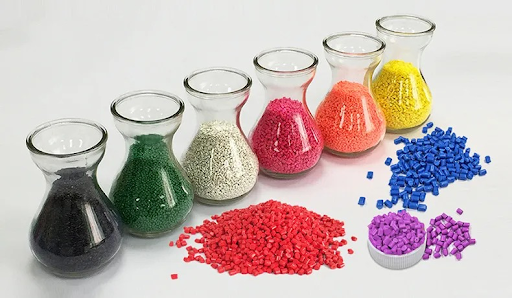
Polybutylene terephthalate, or PBT, is a workhorse plastic. It is strong, holds its shape in heat, and resists many chemicals. Engineers reach for it when a part must stay stable and take stress. But raw PBT is not always the right colour, and many parts now need a code or logo that will not rub off. This is where a good PBT masterbatch and a laser marking additive earn their place. Get both right, and you colour the part and mark it in a clean, repeatable way.
This guide keeps things simple. It covers where PBT is used, why it needs the right colour carrier, and how laser marking works on it.
Where PBT parts show up
You will find PBT in places that see heat, current, and rough handling. Common uses include:
- Electrical connectors and terminal blocks
- Automotive electrical parts, sensor housings, and ignition components
- Appliance parts like switch bodies and motor housings
- Industrial housings and covers
These parts often carry small print. Think batch numbers, part codes, date stamps, or a brand logo. In many cases that mark must last the life of the part.
Why PBT needs a heat-stable PBT masterbatch
PBT melts and flows at high temperatures during moulding. A weak colour carrier can burn, shift shade, or streak at those temperatures. A heat-stable PBT masterbatch is built to survive that heat and mix evenly. The pigments are chosen to hold their colour, and the carrier resin matches PBT so the two blend well.
The payoff is steady colour from the first shot to the last. You also get fewer rejects from streaks, specks, or uneven tone. For parts that sit in an engine bay or near a heat source, colour stability over time matters just as much.
How laser marking masterbatch makes permanent marks
A laser leaves a mark by changing the plastic at the surface. On its own, PBT does not always react well. The mark can look faint or grey. A laser marking masterbatch fixes this. It carries additives that react to the laser beam and create a sharp, high-contrast mark.
The result is a dark mark on a light part, or a light mark on a dark part, with clean edges. Because the change happens in the plastic itself, the mark does not sit on top like ink. So there is nothing to smudge, peel, or wash away. That means no inks, no labels, and no solvents to manage.
For traceability, this is a big win. A clear code that stays readable helps you track a batch, trace a fault, or confirm a genuine part years later. Scanners read crisp marks with fewer errors, which keeps a line moving.
Colour and substrate choices
The base colour and the type of mark work together. A little planning here saves trial time. A rough guide:
| Part colour | Typical mark result | Note |
| Light / natural | Dark grey to black mark | Strong contrast, easy to read |
| Black | Light grey to white mark | Popular for codes and logos |
| Mid tones | Varies | Test contrast before you commit |
Glass fiber content, wall thickness, and pigment load all affect the mark. Suryamb Specialty Polymer, for example, tunes color and marking additives to the exact grade a customer runs, rather than offering one blend for every job. The point is simple: the same additive can behave differently across grades, so match it to your material.
Run a trial before full production
Never assume a mark will look right at scale. Run a small trial first. Mould a few parts with your chosen colour and marking additive. Then test the laser at a few power and speed settings to find a clean, sharp result. Check contrast, edge quality, and how the mark reads on a scanner.
Also check the mark under the conditions the part will face, such as heat, oil, or cleaning. A short trial now prevents a costly surprise later.
FAQs
What is PBT masterbatch used for? It adds even, heat-stable colour to PBT parts during moulding, so the shade stays steady from the first shot to the last.
Why not just use ink or labels for marking? Inks and labels can smudge, peel, or fade. A laser marking masterbatch changes the plastic itself, so the mark is permanent and needs no extra material.
Does laser marking weaken the part? No. The laser only changes a thin surface layer to form the mark. The part keeps its strength.
What colours give the best contrast? Light parts usually give a dark mark, and black parts give a light mark. Mid tones vary, so test them first.
Can I colour and laser mark PBT with the same additive package? Often the colour and marking additives are combined for a grade. The right mix depends on your resin, so confirm it in a trial.
How do I start? Share your PBT grade, target colour, and mark type, then run a small trial to lock in the settings.
Conclusion
PBT is a smart choice for parts that face heat, current, and stress. To get the most from it, pair a heat-stable PBT masterbatch for clean colour with a laser marking additive for a permanent, high-contrast code. Match both to your exact grade, run a short trial, and you end up with parts that look right and stay traceable for years. A little care up front keeps your line steady and your marks sharp.