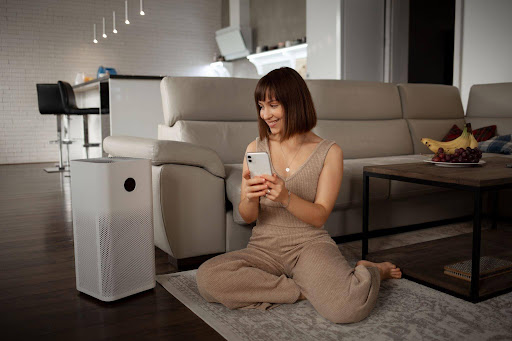
The quality of the air inside your home has a greater impact on your health than many people realize. While outdoor pollution often dominates conversations, indoor air can contain a surprising mix of dust, pet dander, pollen, smoke, volatile organic compounds (VOCs), and other microscopic particles. Since most people spend a significant portion of their day indoors, maintaining clean indoor air is essential for overall well-being.
This is where an air purifier becomes an important addition to modern homes. Designed to capture airborne contaminants and improve indoor air quality, these devices contribute to a cleaner, fresher, and more comfortable living environment. Whether you live in a bustling city or a quieter suburban neighborhood, investing in better indoor air quality can benefit everyone in the household.
Why Indoor Air Quality Matters
Many everyday activities contribute to indoor air pollution. Cooking, cleaning, burning candles, using household chemicals, and even opening windows can introduce contaminants into your living spaces. Over time, these pollutants may accumulate, making indoor air less healthy than expected.
Poor indoor air quality can affect people in different ways. Some may experience allergies, sneezing, or irritated eyes, while others may notice respiratory discomfort or poor sleep quality. Children, older adults, and individuals with asthma or allergies are often more sensitive to airborne particles. Maintaining cleaner indoor air helps create a healthier atmosphere where everyone can breathe more comfortably and enjoy improved overall wellness.
Common Indoor Pollutants Found at Home
Understanding what affects your indoor air is the first step toward improving it. Some of the most common pollutants include:
- Dust and dust mites
- Pet hair and dander
- Pollen entering through doors and windows
- Mold spores caused by excess moisture
- Smoke from cooking or tobacco
- VOCs released from paints, furniture, and cleaning products
- Bacteria and certain airborne microorganisms
These pollutants are often invisible, making it difficult to know when indoor air quality has declined.
How Air Purifiers Improve Indoor Air
Air purifiers work by drawing in surrounding air through multiple filtration layers before circulating cleaner air back into the room. Many advanced systems combine technologies such as HEPA filters, activated carbon filters, and pre-filters to capture particles of different sizes.
A HEPA filter is especially effective at trapping microscopic particles such as pollen, dust, and pet dander, while activated carbon helps reduce unpleasant odors and certain gaseous pollutants. The result is noticeably fresher air that supports a cleaner indoor environment.
Benefits of Using an Air Purifier
Adding an air purifier to your home offers several practical advantages beyond simply removing dust.
Reduces Allergens
People with seasonal allergies often struggle with pollen and airborne irritants entering their homes. Air purification helps reduce these allergens, creating a more comfortable indoor environment.
Minimizes Dust Accumulation
By capturing airborne dust before it settles on furniture and floors, air purifiers can contribute to a cleaner-looking home while reducing the frequency of dusting.
Improves Sleep Comfort
Cleaner air may create a more pleasant sleeping environment, especially for individuals sensitive to airborne particles. Reduced allergens and fewer airborne irritants can contribute to better nighttime comfort.
Helps Control Odors
Cooking smells, pet odors, and household scents can linger indoors. Filtration systems containing activated carbon help reduce these odors, keeping living spaces fresher.
Supports Better Respiratory Comfort
Cleaner indoor air can make breathing feel more comfortable by reducing the concentration of airborne particles circulating throughout the home.
Choosing the Right Air Purifier
Selecting the right purifier depends on your home’s size, lifestyle, and indoor air quality needs. Consider the following factors before making a purchase:
Room Coverage
Choose a purifier designed for the size of the room where it will operate. Larger rooms require higher airflow capacity for effective purification.
Filtration Technology
Look for multi-stage filtration systems that include HEPA filtration and activated carbon for comprehensive particle and odor removal.
Noise Levels
If the purifier will be used in bedrooms or study areas, quieter operation is important for maintaining comfort during sleep or work.
Energy Efficiency
Modern air purifiers are designed to operate continuously while consuming minimal electricity, making them suitable for everyday use.
Smart Features
Many newer models include air quality sensors, automatic fan adjustment, mobile app connectivity, and filter replacement reminders for added convenience.
Maintaining Peak Performance
Like any home appliance, an air purifier performs best with regular maintenance.
Some simple maintenance practices include:
- Replacing filters according to the manufacturer’s recommendations.
- Cleaning pre-filters regularly.
- Keeping air intake and outlet vents unobstructed.
- Positioning the purifier where airflow is not blocked by furniture.
- Operating the purifier consistently rather than occasionally.
Proper maintenance helps ensure efficient filtration and extends the lifespan of the device.
Everyday Habits That Improve Indoor Air Quality
While air purifiers are highly effective, combining them with healthy habits creates even better results.
You can improve indoor air quality by:
- Vacuuming carpets and upholstery frequently.
- Controlling indoor humidity to discourage mold growth.
- Opening windows when outdoor air quality permits.
- Avoiding indoor smoking.
- Cleaning HVAC filters regularly.
- Using low-VOC paints and household products.
Together, these practices create a cleaner and healthier home environment.
Why Cleaner Indoor Air Is an Investment in Well-Being
Improving indoor air quality isn’t just about comfort, it’s about creating a healthier space for daily living. Clean air supports a pleasant atmosphere for working, relaxing, studying, and spending time with family.
As awareness of indoor pollution continues to grow, more homeowners are recognizing the long-term value of reliable air purification. A quality air cleaner purifier can help reduce airborne particles, improve overall comfort, and contribute to a fresher indoor environment throughout the year.
Conclusion
Creating a healthier home begins with paying attention to the air you breathe every day. By reducing airborne pollutants, allergens, odors, and microscopic particles, air purifiers contribute to cleaner indoor environments where families can live more comfortably. Combined with good ventilation and regular home maintenance, they become an effective part of a healthier lifestyle.
For those seeking dependable air purification solutions, O2Cure offers smart options designed for different living environments. Their Hulk, Elixir, Candle, and Plug & Play purifiers are built for rooms, cars, and shared living spaces. They combine intelligent technology with effective filtration, helping users enjoy cleaner indoor air wherever they spend their time.