Introduction to Odoo Dashboard in Modern Business
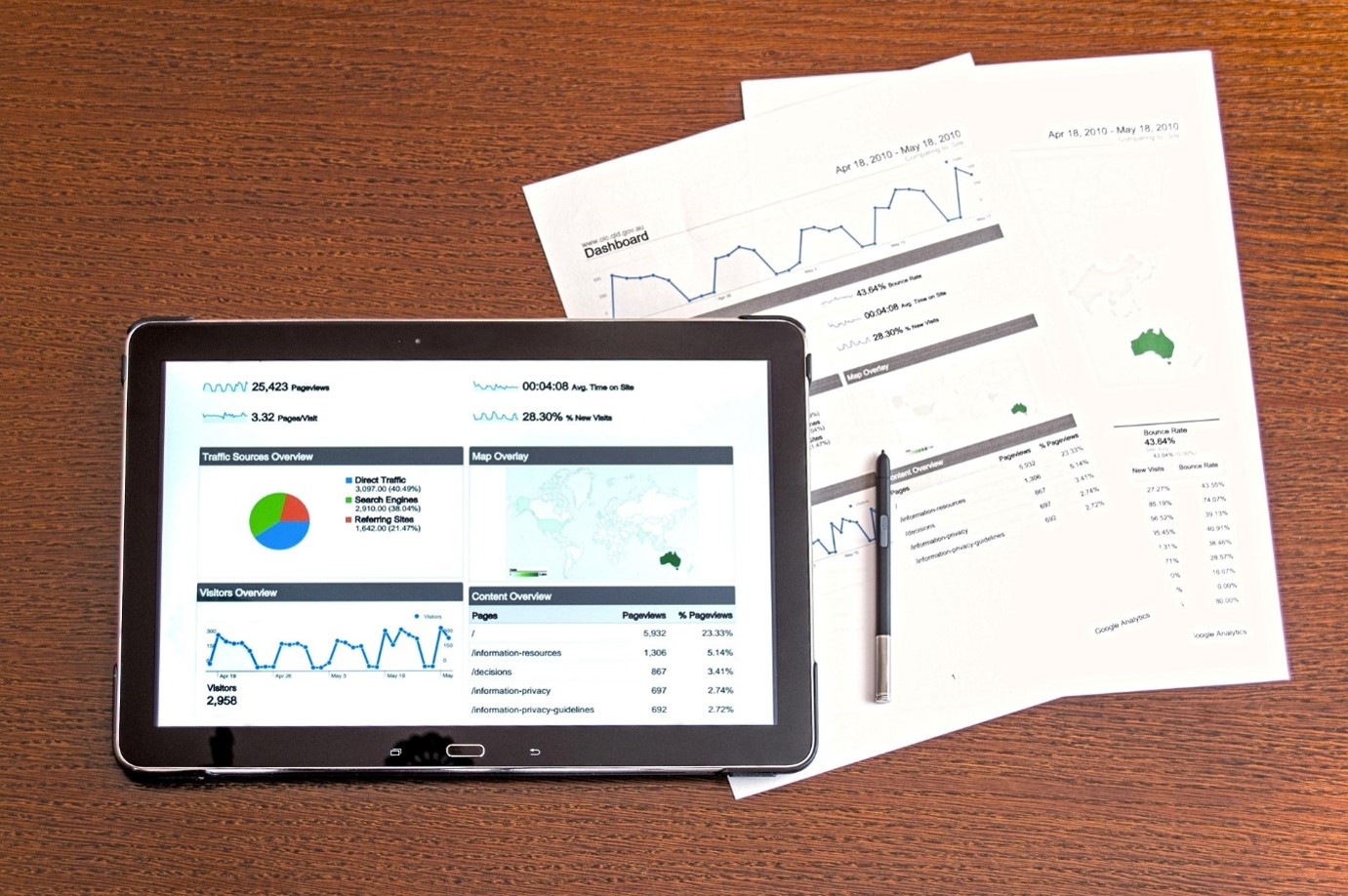
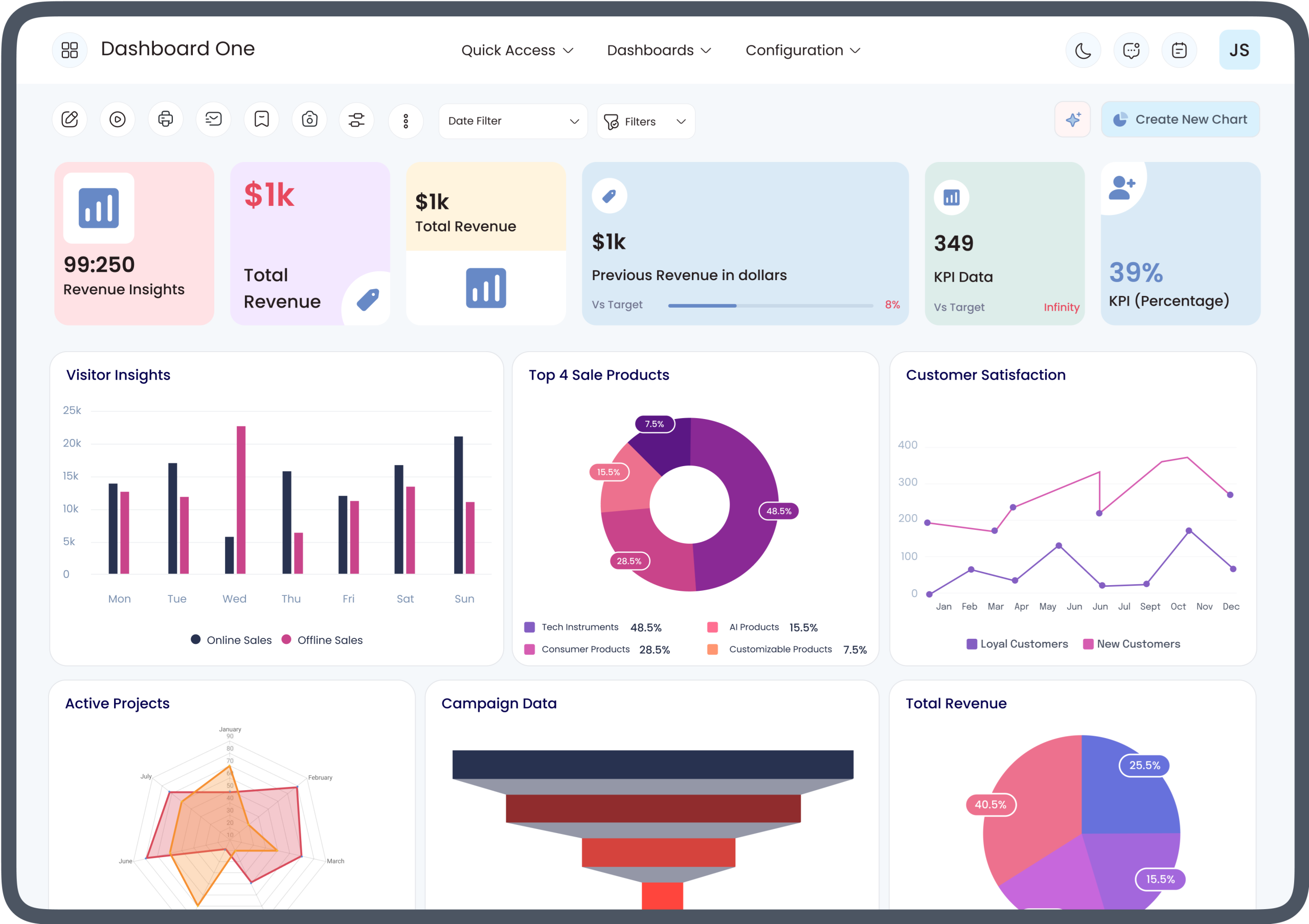
In today’s data-driven environment, businesses depend heavily on accurate reporting and real-time insights. However, many organizations struggle with scattered data, manual reporting, and unclear performance tracking. This is where the concept of what is Odoo dashboard becomes important. An Odoo dashboard is a centralized visual interface that displays key business metrics in a structured and easy-to-understand format. It helps managers and teams monitor operations without digging through complex spreadsheets or multiple reports. By organizing data into visual elements like charts, tables, and KPIs, it simplifies decision-making and reduces confusion in business processes.
Understanding Business Data Analysis Problems in Organizations
Before understanding the solution, it is important to recognize business data analysis problems that companies commonly face. These problems include inconsistent data sources, delayed reporting, human errors in manual calculations, and lack of real-time visibility into business performance. When data is not properly structured, it becomes difficult for decision-makers to identify trends or make accurate forecasts. Many businesses also struggle with fragmented systems where sales, finance, and operations data are stored separately, creating gaps in analysis and slowing down decision-making processes. These business data analysis problems often lead to inefficiencies and missed opportunities.
What Is Odoo Dashboard and Its Core Function
To clearly understand what is Odoo dashboard, it is essential to see it as a unified data visualization tool within the Odoo system. It collects data from different business modules such as sales, accounting, inventory, and customer management, then presents it in a single interface. Instead of analyzing raw data manually, users can view performance indicators in real time. This makes it easier for managers to understand business health at a glance. The Odoo dashboard is designed to simplify complex data structures and convert them into meaningful insights that support better business strategies.
How Odoo Dashboard Solves Data Analysis Challenges
The main advantage of an Odoo dashboard is its ability to directly address business data analysis problems by automating data collection and visualization. Instead of relying on manual reporting, the dashboard updates information automatically, reducing human error and improving accuracy. It also consolidates data from different departments into one system, eliminating the issue of fragmented information.
Another key benefit is real-time monitoring. Businesses no longer need to wait for weekly or monthly reports because the Odoo dashboard provides instant updates. This helps managers identify problems early and take corrective actions before they escalate. As a result, decision-making becomes faster and more reliable.
Improving Data Accuracy and Consistency
One of the major business data analysis problems is inconsistent or inaccurate data. The Odoo dashboard helps solve this by ensuring that all departments work with the same integrated data source. When information is updated in one module, it is automatically reflected across the system. This reduces duplication and ensures consistency across reports.
Understanding what is Odoo dashboard also highlights its role in data validation. Since the system relies on structured inputs, it minimizes the risk of incorrect entries and improves overall data quality. This leads to more trustworthy insights and better business planning.
Enhancing Decision-Making with Visual Insights
Visual representation plays a key role in solving business data analysis problems. The Odoo dashboard transforms complex datasets into easy-to-read charts, graphs, and performance indicators. This allows decision-makers to quickly understand trends without needing technical expertise.
When users understand what is Odoo dashboard, they realize that it is not just a reporting tool but a decision-support system. It highlights important metrics such as sales performance, customer activity, and operational efficiency in a clear format. This enables faster and more confident business decisions.
Streamlining Business Operations Through Centralization
Another significant benefit of the Odoo dashboard is centralization. Many business data analysis problems arise because data is stored in multiple systems that do not communicate effectively. The Odoo dashboard solves this by integrating all data into one platform.
This centralized approach improves workflow efficiency because teams no longer need to switch between systems. Everything is accessible from one interface, making it easier to track performance and manage operations. It also improves collaboration between departments, as everyone works with the same set of data.
Conclusion
Understanding what is Odoo dashboard helps businesses realize how powerful centralized data visualization can be in solving operational challenges. By directly addressing business data analysis problems, the Odoo dashboard improves accuracy, enhances decision-making, and streamlines business operations. It transforms raw data into meaningful insights that help organizations stay efficient, organized, and competitive in a data-driven world.